

薬剤師をギリギリまでAI化してみる
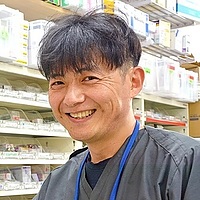
富士市・富士宮市で在宅医療に携わっている薬剤師の栗原憲二です。
在宅医療の現場にいると、医療をめぐる制度の変化が、静かに私たちの日々の選択に影響をもたらしていくということを感じる場面があります。
今回取り上げるのは、2027年度より予定されている調剤薬局におけるOTC類似薬の自己負担というテーマです。
これはドラッグストアなどで売られているお薬と同様のお薬が病院から処方された場合に、その一部の代金を患者様が負担するという制度です。
この制度導入の背景には、医療の公平性と持続性という、より本質的な問いが含まれていると言えます。
⸻
目次
What Is Cost Sharing for OTC-Equivalent Drugs?
Why Is This System Being Introduced?
Potential Benefits of the System
Medical Risks as Another Aspect
Potential Changes in Clinical Practice
⸻
OTC類似薬の自己負担とは何か
2027年3月を目処に、ドラッグストアなどで販売されている市販薬と、
・成分
・用法
・用量
が同様のお薬について処方された場合でも、その価格の4分の1を自己負担とすることが予定されています。
本来、医療機関で処方された薬は保険が適用され、患者様が負担するのはかかった費用の1割〜3割です。
しかし今回の制度では、「市販でも購入できる薬」に関しては、その一部を、保険の適用外として自己負担とするとなることが予定されています。
⸻
なぜこの制度が導入されるのか
この制度を理解する上で重要なのは、「なぜ今、この仕組みが必要とされているのか」という点です。
背景には、大きく二つのポイントがあります。
一つは、医療費の適正化です。
これまで、
・市販薬 → 全額自己負担(ただしセルフメディケーションを推進する上で税制度上の補償あり)
・処方薬 → 保険適用(1〜3割負担)
という構造がありました。
同じ成分の薬であっても、「どこで手に入れるか」によって負担が変わる。
この点に対して、今回の変更は公平性の観点から見直しが行われたと考えることができます。
もう一つは、この制度の隠された目標としての、セルフメディケーションの推進です。
軽度な症状については、
・自分で判断する
・必要に応じて市販薬を使う
という流れを後押しし、医療機関の役割をより専門的な領域に集中させていく。そのような意図も感じられます。
⸻
制度がもたらす可能性
この制度が目指しているのは、まず、医療費の抑制です。
自己負担が生じることで、医療資源の使い方が見直される可能性があります。余分なお薬を受け取らないことで保険適用で生じる税金の無駄遣いが抑制されるのを期待出来るわけです。
また、このことは医薬品の使い方への意識の変化も期待されるでしょう。自己負担を抑えるために適切なお薬の使用方法が意識されることにつながるでしょう。
薬を「とりあえず受け取るもの」から、「自分で選び、使うもの」へと意識が変わる可能性があるわけです。
さらに、残薬の問題に対しても、「無駄にしない」という動機づけが働くことが考えられます。
⸻
医療的リスクというもう一つの側面
一方で、慎重に見ておくべき点もあります。
それは、医学的に妥当な診断の有無です。
医療機関での処方は、
・医師による診断
・既往歴や併用薬の確認
・症状の評価
といったプロセスを経ています。
処方医薬品は、専門医が診断を下すことで処方されるという点で医学的妥当性が期待されると言えますが、ドラッグストアなどでの市販薬の購入は、自己判断による使用が前提となります。
登録販売員や薬剤師が関与する場面もありますが、それでも、診断が介在しないことによる不確実性は残ります。
セルフメディケーションは推進されるべきものですが、その需要に対して適切な市販薬の販売を支える人的資本の体制作りが、今後さらに求められると言えます。
⸻
負担の偏りという課題
この制度は良い面も多く持っていますが、課題もあります。それは、
負担のかかり方の偏りです。
・慢性的に薬を使用している方
・複数の疾患を抱えている方
・経済的に余裕の少ない方
こうした方々にとっては、「一部負担」というものが経済的に大きな負担となる可能性があります。
もちろんこれらの点を考慮してこれから制度づくりが進められていくわけですが、それをどのように解決していくことが好ましいのか、有識者のより良い判断が求められるわけです。
⸻
現場で起こり得る変化
この制度は良いものですが、実務の中では、いくつかの課題も想定されます。それは処方医が患者様の負担分を下げるために(医学的な正当な理由を脇に置いて)
・OTC類似薬の処方を控える
・OTC医薬類似品以外の薬剤へ変更する
といった対応が生じかねないという点です。
この制度の目指す意図とは異なる処方薬の選択を生み出す可能性があるわけです。
⸻
薬剤師の役割はどこにあるのか
こうした状況の中で、登録販売者や薬剤師の役割はより重要になっていくと感じています。
それは、その専門知識を活かして患者様の選択を支えることです。
・市販薬で対応できるのか
・受診が必要なのか
・どの選択が適しているのか
これらを整理し、患者様とともに考える姿勢が求められます。
⸻
まとめ
OTC類似薬の自己負担という制度は、単なる費用の問題ではなく、医療をどのように支え、どのように使っていくかという問いを含んでいます。
制度はこれからも変わっていくでしょう。その中で、私たちにできることは、一人ひとりにとって納得のいく選択を提供し、治療を支えることです。
⸻
I am Kenji Kurihara, a pharmacist engaged in home medical care in Fuji City and Fujinomiya City.
Working in the field of home medical care, I sometimes feel that changes in healthcare systems quietly influence the choices we make in our daily practice.
The topic I would like to discuss today is cost sharing for OTC-equivalent drugs in dispensing pharmacies, which is scheduled to be introduced from fiscal year 2027.
This system means that when medications equivalent to those sold in drugstores are prescribed by a medical institution, patients will be required to bear part of the cost.
Behind the introduction of this system lies a deeper issue: the fairness and sustainability of healthcare.
⸻
[[Table of Contents]]
⸻
What Is Cost Sharing for OTC-Equivalent Drugs?
Starting around March 2027, for medications that are equivalent to over-the-counter drugs sold in drugstores in terms of:
* active ingredients
* usage
* dosage
a system is planned in which, even when prescribed, patients will bear one-quarter of the drug price.
Normally, medications prescribed by medical institutions are covered by insurance, and patients pay only 10% to 30% of the cost.
However, under this new system, for drugs that can also be purchased over the counter, a portion will be excluded from insurance coverage and require out-of-pocket payment.
⸻
Why Is This System Being Introduced?
To understand this system, it is important to consider why such a mechanism is now being deemed necessary.
There are two main background factors.
The first is the optimization of healthcare costs.
Until now, there has been a structure where:
* OTC drugs → fully self-paid (though partially supported by tax incentives for self-medication)
* Prescription drugs → covered by insurance (10–30% copayment)
Even when the active ingredients are the same, the cost differs depending on where the medication is obtained.
This change can be seen as a revision from the perspective of fairness.
The second is a more implicit objective: the promotion of self-medication.
For mild symptoms:
* individuals make their own decisions
* and use OTC drugs when appropriate
This encourages a shift where medical institutions focus more on specialized care.
⸻
Potential Benefits of the System
This system aims first at reducing healthcare costs.
By introducing cost sharing, it may lead to a reconsideration of how medical resources are used. Avoiding unnecessary prescriptions could help reduce wasteful tax expenditures associated with insurance coverage.
It may also promote greater awareness in how medications are used.
Patients may become more conscious of appropriate medication use in order to minimize their out-of-pocket expenses.
This could shift perceptions of medication from something that is simply received, to something actively chosen and used.
Additionally, it may create motivation to reduce leftover medications, fostering a mindset of “not wasting what is prescribed”.
⸻
Medical Risks as Another Aspect
On the other hand, there are aspects that require careful consideration.
One of these is the presence or absence of a medically appropriate diagnosis.
Prescriptions issued by medical institutions are based on:
* physician diagnosis
* review of medical history and concomitant medications
* clinical evaluation of symptoms
In this sense, prescription drugs carry a degree of medical validity.
By contrast, purchasing OTC drugs in drugstores is based on self-judgment.
Although registered sales clerks and pharmacists may be involved, there remains uncertainty due to the absence of formal diagnosis.
While self-medication should be encouraged, it also suggests that there is a growing need to strengthen the human resources and systems that support safe OTC drug use.
⸻
The Issue of Unequal Burden
While this system has many positive aspects, it also presents challenges.
One of these is the uneven distribution of financial burden.
* patients requiring long-term medication
* individuals with multiple chronic conditions
* those with limited financial resources
For these individuals, even partial cost sharing may become a significant burden.
Of course, these issues will likely be considered as the system is further developed, but determining how best to address them will require careful and thoughtful judgment by experts.
⸻
Potential Changes in Clinical Practice
Although this system has its merits, several practical challenges may arise in clinical settings.
For example, physicians may attempt to reduce patient burden by:
* avoiding the prescription of OTC-equivalent drugs
* switching to alternative medications
even when doing so may not be medically optimal.
This creates the possibility of prescribing decisions that diverge from the original intent of the system.
⸻
Where Does the Pharmacist’s Role Lie?
In this evolving context, the role of pharmacists and registered sales clerks is likely to become even more important.
Their role is to use their expertise to support patient decision-making.
* Can this be managed with OTC medication?
* Is a medical consultation necessary?
* Which option is most appropriate?
By organizing these considerations, they are expected to adopt a collaborative approach in thinking together with patients.
⸻
Conclusion
The cost-sharing system for OTC-equivalent drugs is not merely a financial issue.
It raises a broader question of how healthcare should be supported and utilized.
Systems will continue to evolve.
Within that process, what we as healthcare professionals can do is to support treatment by providing choices that each individual patient can accept and understand.
⸻