
健康で文化的な最低限の生活のかなり上
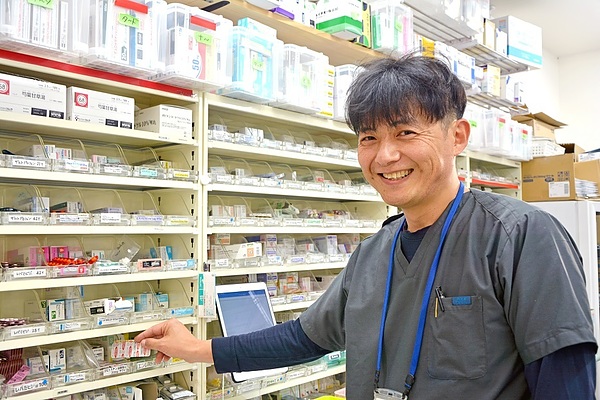
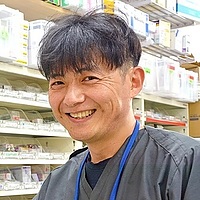
富士市・富士宮市で在宅医療に携わっている薬剤師の栗原憲二です。
在宅医療の現場に身を置いていると、日々の業務の中で、単なる「正解」では割り切れない問いに直面することがあります。
特に現場では、「患者様の意思」と「医療としての正しさ」は、常に一致するのだろうかと自問することが多いものです。
本稿では、この問いを起点に、在宅医療における意思決定の構造と、その中で薬剤師が果たすべき役割について整理してみたいと思います。
目次
The Weight of “Patient Intent” in Home Medical Care
Medication as a Form of “Everyday Decision-Making”
The Gap Between Policy and Reality: The Issue of Unused Medications
Balancing “Autonomy” and “Beneficence”
The Pharmacist’s Role as a “Bridge”
──────────────────────────
在宅医療における「意思」の重み
在宅医療の最大の特徴は、「生活の場で医療が行われる」という点にあると思います。
病院では、医療者の管理のもとで治療が進みます。病院は多くの人の出入りがあり、公共の場所であり、公序良俗を守るという意識が自然と働きます。
しかし在宅では、様子が少し異なります。
患者様の自宅は、あくまで「その人の人生の場」であり、医療はそこに“入り込ませてもらっている”立場です。患者様の意思が第一に優先されるプライベートな場所です。
そのため、在宅医療では、患者様の意思が、極めて強い影響力を持つことになります。
特に終末期において、
・人工呼吸器を使用するのか
・胃ろうを造設するのか
・点滴をどこまで行うのか
といった選択は、単なる医療判断ではなく、「どのように生きるか」という価値観の問題となります。
近年では「ACP(アドバンス・ケア・プランニング)」、いわゆる人生会議の重要性も強調されています。
事前に意思を整理しておくことは、在宅医療において不可欠なプロセスとなっています。
──────────────────────────
服薬という“日常の意思決定”
こうした大きな意思決定だけではありません。
私たち薬剤師が日々関わるのは、もっと身近な、しかし本質的な選択です。
それが、「薬を飲むか、飲まないか」という判断です。
一見すると単純な問いに見えますが、この判断の背景には、実際には多くの要素が絡み合っています。
・薬の効果への理解
・副作用への不安
・生活リズムとの相性
・家族の支援体制
・過去の医療体験
こうした要因が重なり、最終的に「飲まない」という選択がなされたり、「飲めない」という状況が生まれることになります。
「飲めない」という、患者様本人も願っていない状況なら、一包化対応などで対応がある程度可能ですが、薬を飲むか飲まないかの最終的な選択権は患者様にあるという点が大事です。
薬剤師としては、科学的根拠に基づいて服薬の必要性やメリットを説明し、できる限り納得して、処方通りに服用して頂くよう努めます。
しかし、それでもなお、患者様が「飲まない」と判断されることはあります。
このとき、言ってみれば「正しい医療」と「本人の意思」の間に、静かなズレが生じることになります。
──────────────────────────
「残薬問題」に見る現実との乖離
日本では、医療費の適正化の観点から、残薬の把握と調整が重要な課題とされています。
厚生労働省も、
・患者様に残薬を申告してもらう
・その分、処方量を調整する
といった取り組みを推進しています。
保険診療として利用される税金の適切な使用方法として、残薬を減らすことは、非常に合理的な取り組みです。
しかし、現場においては、残薬があっても申告されないケースが少なくないのが実情です。
その理由としては、
・医師に言いづらい
・叱られるのではないかという不安
・「管理ができていない」と思われたく無い
・「飲まなくても大丈夫だった」という自己判断
などが原因として挙げられると思います。
つまり、制度としての「正しさ」と、現実の「人の行動」との間に、ギャップが存在しているのです。
──────────────────────────
倫理の軸としての「自律」と「善行」
医療倫理の基本原則として、よく知られているのが以下の4つです。
・自律尊重(Autonomy)
・善行(Beneficence)
・無危害(Non-maleficence)
・正義(Justice)
在宅医療の現場では、特に「自律尊重」と「善行」のバランスが問われると思います。
患者様の意思を尊重することは重要です。
しかし同時に、医療者には「より良い結果をもたらす努力をする責任」もあります。
例えば、
・明らかに必要な薬を拒否される
・副作用の誤解によって服薬が中断される
といった場合、単に「意思だから」と受け入れるだけでは、【善行の原則】が十分に果たされているとは言えません。
ここに、薬剤師としての葛藤が生まれます。
──────────────────────────
薬剤師にできる「橋渡し」
では、このギャップの中で、薬剤師は何ができるのでしょうか。
私は、その点での薬剤師の役割を、患者様がより適切な判断をするためのバランスの取れた情報提供を行なうことに重要な点があると思っています。
具体的には、
・専門用語を生活の言葉に翻訳する
・副作用への不安を具体的に整理する
・患者様の価値観を理解する
・小さな成功体験(飲めた実感)を積み重ねる
といった患者様への関わりです。
重要なのは、「正しさ」を押しつけることではありません。
患者様の価値観の中で、お薬の服用方法とその服用によるメリットを、より納得可能な形で提示することだと思っています。
そのためには、薬剤師は短時間の服薬指導の中でも、患者様の
・表情
・声のトーン
・生活背景
といった情報を丁寧に読み取り、適切に言葉を選んでアプローチしていくことが大切と考えています。
──────────────────────────
「正しさ」よりも「納得」を
在宅医療の現場では、必ずしも“教科書通りの正解”が最善とは限りません。
むしろ、「本人が納得して選んだ道」こそが、その人にとっての最適解であると感じる場面が多くあります。お薬を「飲む」「飲まない」という細かな選択の中にも、その人の価値観、人生観が入り込んでいるものだからです。
──────────────────────────
おわりに
在宅医療における意思決定は、単なる医療判断ではなく、「人生そのもの」に関わる選択です。
その中で、私たち薬剤師は、
・正しさを提示し
・不安を整理し
・納得への道筋を整える
という役割を担っています。
患者様の意思と医療の正しさが完全に一致することは、むしろ稀かもしれません。しかし、だからこそ、その間に立ち、対話を重ね続けること。
それが、在宅医療において薬剤師が発揮し得る大きな価値の一つであると、私は考えています。
Do Patients’ Wishes and Medical Correctness Always Align?
― The Dilemma of Decision-Making in Home Medical Care ―
I am Kenji Kurihara, a pharmacist engaged in home medical care in Fuji City and Fujinomiya City.
Working in the field of home medical care, I often find myself facing questions that cannot be neatly resolved by a single “correct answer.”
In particular, in daily practice, I frequently ask myself:
“Do the patient’s wishes and what is medically correct always align?”
In this article, I would like to use this question as a starting point to organize the structure of decision-making in home medical care and consider the role that pharmacists are expected to play within it.
[[Table of Contents]]
──────────────────────────
The Weight of “Patient Intent” in Home Medical Care
One of the defining characteristics of home medical care is that
“medical care takes place within the context of daily life.”
In hospitals, treatment progresses under the management of healthcare professionals. Hospitals are public spaces with many people coming and going, where a sense of order and social norms naturally operates.
However, the situation is somewhat different in home settings.
A patient’s home is, first and foremost, “a place of their own life,” and medical care is something that is allowed to enter that space. It is a private environment where the patient’s wishes take priority.
For this reason, in home medical care,
the patient’s wishes carry extremely strong influence.
Especially in end-of-life care, decisions such as:
* Whether to use a ventilator
* Whether to create a feeding tube (PEG)
* How far to proceed with intravenous therapy
are not merely medical judgments, but questions of values—“how one wishes to live.”
In recent years, the importance of ACP (Advance Care Planning), often referred to as “life conferences,” has also been emphasized.
Organizing one’s wishes in advance has become an essential process in home medical care.
──────────────────────────
Medication as a Form of “Everyday Decision-Making”
These are not the only major decisions.
What we pharmacists engage with daily are more familiar, yet fundamentally important choices.
That is the decision of
“whether to take medication or not.”
At first glance, it may seem like a simple question. However, in reality, many factors are intertwined in this decision:
* Understanding of the medication’s effects
* Concerns about side effects
* Compatibility with daily routines
* Family support systems
* Past medical experiences
These elements overlap, leading either to the choice “not to take medication” or to situations where “it becomes difficult to take it.”
If the issue is “being unable to take medication,” even when the patient wishes to do so, measures such as unit-dose packaging can often help.
However, when it comes to the choice of whether to take medication at all,
it is important to recognize that the final decision ultimately belongs to the patient.
As pharmacists, we strive to explain, based on scientific evidence, the necessity and benefits of medication, and to help patients take their medications as prescribed with understanding.
Nevertheless, there are cases where patients still decide “not to take” them.
At such moments, one might say that a quiet gap emerges between “medically correct care” and “the individual’s will.”
──────────────────────────
The Gap Between Policy and Reality: The Issue of Unused Medications
In Japan, from the perspective of optimizing healthcare costs,
the management and adjustment of unused medications is considered an important issue.
The Ministry of Health, Labour and Welfare promotes initiatives such as:
* Encouraging patients to report unused medications
* Adjusting prescription quantities accordingly
Reducing unused medications is a highly rational approach in terms of the proper use of publicly funded healthcare.
However, in practice,
there are many cases where patients do not report unused medications even when they have them.
Possible reasons include:
* Difficulty in speaking up to the physician
* Fear of being reprimanded
* Not wanting to be seen as “unable to manage properly”
* Personal judgment that “it was fine even without taking them”
In other words, there exists a gap between what is “correct” as a system and how people actually behave.
──────────────────────────
Balancing “Autonomy” and “Beneficence”
In medical ethics, four fundamental principles are often cited:
* Autonomy
* Beneficence
* Non-maleficence
* Justice
In the context of home medical care,
the balance between autonomy and beneficence becomes particularly important.
Respecting the patient’s wishes is essential.
At the same time, healthcare professionals also have a responsibility to strive for better outcomes.
For example:
* When a patient refuses clearly necessary medication
* When medication is discontinued due to misunderstandings about side effects
Simply accepting the situation as “the patient’s choice” may not fully satisfy the principle of beneficence.
This is where the pharmacist’s ethical dilemma arises.
──────────────────────────
The Pharmacist’s Role as a “Bridge”
So, what can pharmacists do within this gap?
I believe that one important role is to provide balanced information that enables patients to make more appropriate decisions.
Specifically, this involves:
* Translating technical terminology into everyday language
* Clarifying concerns about side effects
* Understanding the patient’s values
* Building small successes (the experience of being able to take medication)
What matters is not imposing “correctness.”
Rather, it is to present medication use and its benefits in a way that is understandable and acceptable within the patient’s own value system.
To achieve this, even within limited consultation time, pharmacists must carefully observe:
* Facial expressions
* Tone of voice
* Lifestyle background
and choose their words thoughtfully in approaching each patient.
──────────────────────────
From “Correctness” to “Acceptance”
In home medical care, what is “textbook correct” is not always the best solution.
Rather,
“the path that the patient chooses with understanding and acceptance” may be the most appropriate answer for that individual.
Even in the seemingly small choices of “taking” or “not taking” medication, a person’s values and life philosophy are deeply embedded.
──────────────────────────
Conclusion
Decision-making in home medical care is not merely a medical judgment, but a choice that relates to life itself.
Within this process, pharmacists are responsible for:
* Presenting what is medically appropriate
* Organizing concerns and uncertainties
* Creating a pathway toward understanding and acceptance
It may actually be rare for a patient’s wishes and medical correctness to completely align.
Precisely because of this, continuing dialogue while standing between the two is essential.
I believe this is one of the significant values that pharmacists can offer in home medical care.