
ふじやま薬局における薬局業務のDX化の取り組み DX Initiatives in Pharmacy Operations at Fujiyama Pharmacy
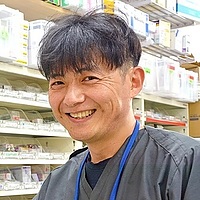
富士市・富士宮市で在宅医療に携わっている薬剤師の栗原憲二です。
在宅医療という言葉から、多くの方が思い浮かべるのは、「医師が自宅に訪問して診察を行う」というイメージかもしれません。
しかし実際には、その背後で、複数の専門職が関わり合いながら医療を支えています。
今回のテーマは、「在宅医療は“チーム”でどこまで機能しているのか」です。
理想と現実の間にある「連携の本質」について、現場の視点から整理してみたいと思います。
目次
Home Medical Care is Supported by Multiple Professions
The Pharmacist’s Role Lies in the Flow of Information
The Ability to Accompany Physicians Impacts Collaboration Quality
Information That Can Only Be Obtained Through Home Visits
Collaboration with Nurses is the Core of Practical Operations
Collaboration with Care Managers Adjusts the Whole Life Context
──────────────────────────
在宅医療は“多職種”によって支えられている
在宅医療は、単一の職種で完結するものではありません。
・訪問医
・訪問看護師
・ケアマネジャー
・ヘルパー
・機能訓練士
・薬剤師
これらの専門職が関わりながら、患者様の生活と医療を支えています。
つまり在宅医療とは、「個人の医療」ではなく、「チームによる医療」であると言えます。
ただし、その“チーム”が常に理想通りに機能しているかというと、必ずしもそうではありません。
⸻
薬剤師の役割は「情報の循環」にある
薬剤師の基本的な流れは、以下の通りです。
・医師の指示に基づき訪問
・配薬および服薬指導
・服用状況の確認
・服用後の経過フォロー
・医師・ケアマネへの報告
一見するとシンプルに見えますが、実際には多くの判断が求められます。
処方箋をFAXで受け取った段階で、薬剤師は次のような思考を行います。
1)処方変更の有無の確認
2)変更の背景の推察
3)違和感があれば疑義照会
4)在庫確認・供給調整
5)調剤・一包化対応
6)相互作用・アレルギー確認
7)訪問スケジュール調整
8)訪問・服薬状況の把握
9)報告書作成
この一連の流れの中で重要なのは、
「情報を受け取り、整理し、次の職種へとつなぐ」という役割です。
薬剤師は、医師の処方するお薬をメインに、他職種への「情報のハブ」として機能していると言えるでしょう。
⸻
同行できるかどうかが連携の質を左右する
理想的には、薬剤師が訪問医に同行し、処方決定の場に立ち会うことができれば、連携の質は大きく向上します。
施設であれば複数名の患者様を同時に診るため、同行の機会も比較的多くなります。
しかし個人宅では、移動距離・時間的制約の問題から、常時同行することは現実的に難しいのが実情です。
そのため薬剤師には、
処方箋から「医師の意図」を読み取る力が求められます。
これは在宅医療において、非常に重要な専門性の一つです。
⸻
「訪問して初めて分かる情報」がある
薬局窓口と在宅医療の最大の違いは、「生活の中に踏み込めるかどうか」です。
患者様は、薬局では本音を語らないことがあります。
・実は薬が飲めていない
・自己判断で中断している
・生活習慣と合っていない
こうした情報は、訪問して初めて見えてきます。
特に日本人の場合、「迷惑をかけたくない」という意識から、問題を表に出さない傾向もあります。
だからこそ、
在宅医療における服薬支援は、「確認」ではなく「発見」であると私は感じています。
⸻
看護師との連携は「実務の要」
訪問看護師との連携は、非常に実務的で重要です。
特に、
・輸液管理
・注射薬の取り扱い
・混合薬の保存期間
などに関しては、タイミングが極めて重要になります。
薬剤師は、調剤・配達のスケジュールを踏まえて、訪問看護師に事前連絡を行うことが多くあります。
この連携がうまくいかないと、治療そのものに支障が出る可能性もあります。
⸻
ケアマネとの連携は「生活全体の調整」
ケアマネジャーとの連携は、より広い視点での調整になります。
例えば、
・服薬コンプライアンスが低い
・アルコール習慣がある
・生活リズムが不安定
こうしたケースでは、単純に薬の問題ではなく、生活全体の支援が必要になります。
その際、
・服用回数の簡略化
・剤形変更
・支援体制の見直し
などを検討し、必要に応じて医師へ提案を行います。
⸻
連携の現実は「完全ではない」
ここまで見ると、在宅医療は非常に理想的なチーム医療に見えるかもしれません。
しかし実際には、
・情報のタイムラグ
・連絡手段の制約
・各職種のスケジュール差
などにより、連携は常に「不完全な状態」で進んでいるのが現実です。
それでも医療は止まりません。
だからこそ重要なのは、不完全な連携の中でも、最適解を探し続ける姿勢です。
⸻
まとめ:チーム医療の本質とは何か
在宅医療は確かにチームで動いています。
しかしその本質は、単に「複数の職種が関わること」ではありません。
それぞれの専門職が、自分の役割を超えて思考できるかどうか
そこに、チーム医療の質が現れます。
薬剤師として私が意識しているのは、
・処方の意図を読むこと
・生活の中の課題を見つけること
・その情報を適切に共有すること
この積み重ねが、結果としてチームを機能させていくと感じています。
在宅医療は、完成された仕組みではありません。
むしろ、日々の試行錯誤の中で、少しずつ形作られていく「動的な医療」であると言えるのではないでしょうか。
ーーーーー
I am Kenji Kurihara, a pharmacist engaged in home medical care in Fuji City and Fujinomiya City.
When people hear the term “home medical care,” many may imagine a physician visiting a patient’s home to provide medical treatment.
However, in reality, behind the scenes, multiple healthcare professionals are involved, working together to support patient care.
In this article, I would like to explore the theme:
“To what extent does home medical care truly function as a team?”
From a practical perspective, I will examine the gap between the ideal and the reality of interprofessional collaboration.
目次
Home Medical Care is Supported by Multiple Professions
The Pharmacist’s Role Lies in the Flow of Information
The Ability to Accompany Physicians Impacts Collaboration Quality
Information That Can Only Be Obtained Through Home Visits
Collaboration with Nurses is the Core of Practical Operations
Collaboration with Care Managers Adjusts the Whole Life Context
──────────────────────────
Home Medical Care is Supported by Multiple Professions
Home medical care does not function through a single profession alone.
It involves:
* Visiting physicians
* Visiting nurses
* Care managers
* Home helpers
* Rehabilitation staff
* Pharmacists
All of these professionals contribute to supporting both the medical and daily living aspects of the patient.
In other words, home medical care is not “individual medicine,” but “team-based medicine.”
However, whether this “team” always functions ideally is another matter.
⸻
The Pharmacist’s Role Lies in the Flow of Information
The basic workflow of a pharmacist in home care is as follows:
* Visit based on the physician’s instructions
* Deliver medications and provide counseling
* Confirm medication adherence
* Monitor post-administration outcomes
* Report back to physicians and care managers
While this may appear straightforward, it actually involves numerous layers of decision-making.
From the moment a prescription is received via fax, pharmacists engage in the following process:
1. Check for any changes in the prescription
2. Infer the background behind those changes
3. If discrepancies are noted, perform a prescription query (inquiry to the physician)
4. Confirm medication stock and supply availability
5. Dispense medications and prepare unit-dose packaging if necessary
6. Verify drug interactions and allergy history
7. Arrange the home visit schedule
8. Visit the patient and assess medication usage
9. Prepare and submit reports
Within this process, the most critical function is:
“Receiving information, organizing it, and passing it on to the next professional.”
In this sense, pharmacists function as an “information hub.”
⸻
The Ability to Accompany Physicians Impacts Collaboration Quality
Ideally, pharmacists would accompany visiting physicians and be present at the moment prescriptions are decided.
This greatly enhances the quality of collaboration.
In institutional settings, where multiple patients are seen at once, such opportunities are more common.
However, in private homes, due to distance and time constraints,
it is often not feasible for pharmacists to accompany physicians regularly.
Therefore, pharmacists must develop the ability to:
Interpret the physician’s intent from the prescription itself
This is one of the most critical competencies in home medical care.
⸻
Information That Can Only Be Obtained Through Home Visits
The greatest difference between community pharmacy practice and home care is:
“Whether one can step into the patient’s daily life.”
Patients often do not fully disclose their situation at the pharmacy counter.
For example:
* They are not actually taking their medication
* They have stopped medication on their own judgment
* Their lifestyle does not align with the prescribed regimen
These realities often only become apparent during home visits.
In particular, many Japanese patients tend to avoid expressing concerns,
perhaps due to a cultural tendency not to inconvenience others.
For this reason, I believe:
Medication support in home care is not about “confirmation,” but about “discovery.”
⸻
Collaboration with Nurses is the Core of Practical Operations
Collaboration with visiting nurses is highly practical and essential.
This is especially true for:
* Infusion management
* Injectable medications
* Stability and storage of mixed preparations
Timing is critically important in these cases.
Pharmacists often communicate in advance with visiting nurses
regarding dispensing and delivery schedules.
If this coordination fails, it may directly impact treatment outcomes.
⸻
Collaboration with Care Managers Adjusts the Whole Life Context
Collaboration with care managers involves a broader perspective.
For example:
* Poor medication adherence
* Alcohol consumption habits
* Irregular daily routines
These issues extend beyond medication itself and require holistic support.
In such cases, pharmacists may consider:
* Simplifying dosing schedules
* Changing dosage forms
* Adjusting support systems
and consult with physicians as needed.
⸻
The Reality of Collaboration is “Imperfect”
At first glance, home medical care may seem like an ideal model of team-based medicine.
However, in reality,
* Delays in information sharing
* Limitations in communication methods
* Differences in professional schedules
mean that
collaboration is always “incomplete.”
Even so, medical care must continue.
Therefore, what truly matters is:
The ability to pursue optimal solutions even within imperfect collaboration
⸻
Conclusion: What is the Essence of Team-Based Care?
Home medical care is certainly delivered by a team.
However, its essence lies not simply in the presence of multiple professions.
It depends on whether each professional can think beyond their own role.
As a pharmacist, I focus on:
* Interpreting the intent behind prescriptions
* Identifying issues within the patient’s daily life
* Sharing that information appropriately
These continuous efforts are what ultimately enable the team to function effectively.
Home medical care is not a completed system.
Rather,
it is a “dynamic form of medicine” that is gradually shaped through daily trial and error.