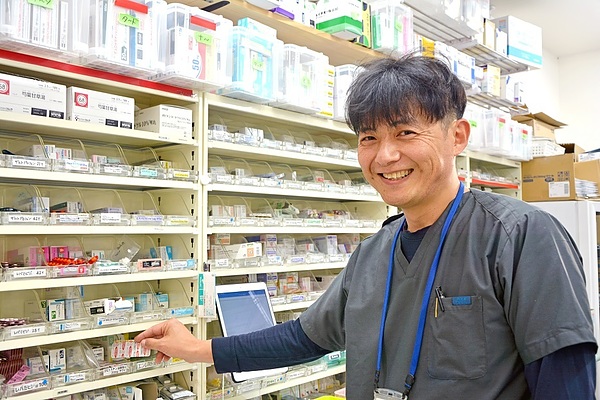



ふじやま薬局は在宅医療を支える各種ポータブル製剤に対応した薬局です
富士市・富士宮市で在宅医療に携わっている薬剤師の栗原憲二です。
在宅医療の現場において、私たち薬剤師が担っている役割の一つに、「服薬支援」があります。
これは単に薬を届けることではなく、患者様が日常生活の中で無理なく薬を継続できるように支える営みです。
しかし現場に立っていると、次第にこうした問いに向き合うことになります。
「支援とは、どこまで踏み込むべきものなのか」
今回は、「あえて引く」という視点から、服薬支援の本質について整理してみたいと思います。
目次
The Foundation of Medication Support in Home Care
Patients for Whom One-Dose Packaging Does Not Fit
Not Over-Supporting Those Who Can Manage
──────────────────────────
在宅医療における服薬支援の前提
在宅医療において、薬剤師は介護保険を用いた「居宅療養管理指導」として患者様のご自宅を訪問します。
このサービスは医師の指示のもとに実施されるものであり、条件によっては医療保険で対応する場合もあります。
訪問時には、
・服薬状況の確認
・残薬の把握
・生活環境の観察
・家族支援の状況確認
などを総合的に評価し、必要に応じて一包化や服薬カレンダーの導入といった支援を行います。
これらはすべて、「処方された薬を適切に継続するための手段」です。
しかし、その手段が常に最適であるとは限りません。
──────────────────────────
一包化が「合わない」患者様の存在
在宅医療では、一包化は非常に有効な手段です。
服薬のタイミングごとに薬をまとめることで、飲み忘れや重複を防ぐことができます。
しかし一方で、「一包化を好まない患者様」も確かに存在します。
その理由は様々です。
・「管理されている」と感じてしまう
・薬や医療に対する不信感がある
・自分のペースを乱されたくない
・これまでの習慣を変えたくない
初めは「助かります」と言ってくださっていた方でも、長く関わる中で本音が見えてくることがあります。
そのときに重要なのは、「気づいたら、引く勇気を持つこと」です。
一包化が“正しい方法”であったとしても、それが患者様の意思に反しているのであれば、見直す必要があります。
シートのままでの配薬に戻すことが、結果として本人の尊厳を保ち、能動的な服薬継続につながることも少なくありません。
──────────────────────────
「できる人」に対して、やりすぎない
一方で、日常的にきちんと服薬できている方もおられます。
・自分でPTPシートから薬を取り出せる
・お薬ボックスに自分でセットできる
・服薬が生活習慣として定着している
こうした方に対して、あえて一包化を行うことが本当に必要でしょうか。
中には、「自分で管理することが頭の体操になる」と考えている方もいらっしゃいます。
このような場合、過剰な支援はむしろその方の生活機能を奪ってしまう可能性があります。
「支援しすぎないこともまた支援である」
この視点は、在宅医療において非常に重要です。
──────────────────────────
服薬支援の4つのパターン
現場での経験から、服薬支援は大きく4つのパターンに整理できます。
① お薬を自分で管理でき、かつ管理したい人
② 管理はできるが、一包化があれば楽と感じる人
③ 管理が難しくなっているが、それでも自分でやりたい人
④ 管理が難しく、支援を積極的に求めている人
薬剤師に求められるのは、「どのパターンに該当するかを見極める力」です。
そして、その判断は一度きりではなく、時間とともに変化していくものでもあります。
──────────────────────────
「管理」ではなく「伴走」という視点
服薬支援というと、「きちんと飲ませること」が目的のように見えるかもしれません。
しかし本質はそこにはありません。
薬剤師の役割は、患者様の服薬を“管理する”ことではなく、“支える”ことにあります。
つまり、
・主体はあくまで患者様本人
・薬剤師はその継続を支える存在
という関係性です。
もちろん、病状によっては厳格な管理が必要な場合もあります。
その際には、患者様やご家族に十分な説明を行い、理解を得た上で一包化などの介入を強めていくことが求められます。
──────────────────────────
あえて引くという選択
在宅医療の現場では、「何かをしてあげること」が価値だと思われがちです。
しかし実際には、「何をしないかを選ぶこと」が、より重要になる場面も少なくありません。
・一包化を外す
・あえて見守る
・本人のやり方を尊重する
こうした判断は、一見すると消極的に見えるかもしれません。
けれどもその背景には、患者様の尊厳と生活を守るという、明確な意思があります。
──────────────────────────
在宅医療における服薬支援とは、単なる技術や手法ではなく、「人との関わり方」そのものです。
どこまで関わり、どこで引くのか。
処方医との意思疎通を計りながら、その患者様にとっての適度な介入というものを見つけ出し見極め続けることこそが、専門職としての成熟につながっていくのではないかと感じています。
本稿が、日々の現場を見つめ直す一つの視点となれば幸いです。
I am Kenji Kurihara, a pharmacist engaged in home medical care in Fuji City and Fujinomiya City.
In the field of home medical care, one of the roles we pharmacists take on is “medication support.”
This does not simply mean delivering medicines, but rather supporting patients so that they can continue taking their medications smoothly within their daily lives.
However, as we work in the field, we gradually come to face a fundamental question:
“How far should support go?”
In this article, I would like to organize the essence of medication adherence from the perspective of “intentionally stepping back.”
[[Table of Contents]]
──────────────────────────
The Foundation of Medication Support in Home Care
In home medical care, pharmacists visit patients’ homes under the system of “Home Medical Care Management and Guidance” using long-term care insurance.
This service is provided under a physician’s instructions, and in some cases, it may be covered by medical insurance instead.
During visits, we comprehensively assess:
* Medication adherence status
* Remaining medications
* Living environment
* Level of family support
Based on these factors, we may introduce measures such as one-dose packaging or medication calendars.
All of these are “means to ensure proper continuation of prescribed therapy.”
However, these methods are not always the best solution.
──────────────────────────
Patients for Whom One-Dose Packaging Does Not Fit
In home care, one-dose packaging is a highly effective method.
By organizing medications by dosing time, it helps prevent missed doses and duplication.
However, there are certainly patients who:
“do not prefer one-dose packaging.”
The reasons vary:
* It makes them feel “controlled”
* They have distrust toward medications or healthcare
* They do not want their personal rhythm disturbed
* They prefer to maintain their existing habits
Some patients initially express gratitude for home delivery, but over time, their true feelings may become apparent.
At that point, what becomes important is:
“the courage to step back when you notice.”
Even if one-dose packaging is considered “correct,”
if it goes against the patient’s will, it needs to be reconsidered.
In some cases, returning to dispensing medications in their original sheets leads to better adherence.
──────────────────────────
Not Over-Supporting Those Who Can Manage
On the other hand, there are patients who can manage their medications well on their own.
* They can remove tablets from PTP sheets
* They can set up their own pill organizers
* Medication-taking is already a daily habit
For such individuals, is one-dose packaging truly necessary?
Some even say:
“Managing my own medication helps prevent cognitive decline.”
In these situations, excessive support may actually diminish their functional independence.
“Not over-supporting is also a form of support.”
This perspective is crucial in home medical care.
──────────────────────────
Four Patterns of Medication Support
Based on practical experience, medication support can be broadly categorized into four patterns:
1. Patients who can manage their medications and want to do so
2. Patients who can manage, but would prefer one-dose packaging for convenience
3. Patients who are struggling but still want to manage on their own
4. Patients who are unable to manage and actively seek support
What is required of pharmacists is:
“the ability to identify which pattern applies.”
Moreover, this assessment is not static—it changes over time.
──────────────────────────
From “Control” to “Support”
Medication support may appear to be about “ensuring correct intake.”
However, its essence lies elsewhere.
The role of pharmacists is not to “control” patients’ medication use, but to “support” it.
In other words:
* The patient remains the primary actor
* The pharmacist supports continuity
Of course, in certain medical conditions, strict management may be necessary.
In such cases, it is essential to provide sufficient explanation and gain understanding from the patient and their family before implementing stronger interventions such as one-dose packaging.
──────────────────────────
The Choice to Step Back
In home care, value is often associated with “doing something” for the patient.
However, in reality:
“Choosing what not to do”
can be even more important.
* Removing one-dose packaging
* Intentionally observing rather than intervening
* Respecting the patient’s own methods
These decisions may seem passive at first glance.
But behind them lies:
a clear intention to preserve the patient’s dignity and daily life.
──────────────────────────
Medication support in home care is not merely a technique or system,
but fundamentally a way of relating to people.
How far should we engage, and when should we step back?
Continuously discerning this balance is, I believe, what leads to professional maturity.
I hope this article provides a meaningful perspective for reflecting on daily practice.