

服薬支援であえて引くという選択 ― アドヒアランスの本質 ーー在宅医療アラカルト第12回ーー
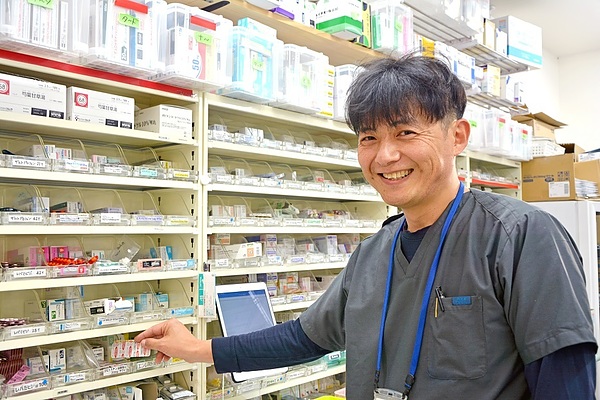
富士市・富士宮市で在宅医療に携わっている薬剤師の栗原憲二です。
在宅医療の現場に日々関わる中で、私が繰り返し実感することがあります。
それは、「在宅医療は、患者一人ではなく、複数の支えによって成り立つ医療である」
ということです。
医療というと、「患者」と「医療者」という関係で捉えられがちです。
しかし在宅医療においては、それに加えて、
「家族」と「地域の支援」が重なり合う構造
によって成り立っています。
そして重要なのは、家族がすべてを抱え込む必要はない、という点です。
──────────────────────────
1.なぜ人は「自宅で過ごすこと」を選ぶのか
(※この章は大きく変更なしのため要点整理のみ)
・「自宅で過ごしたい」という意思
・「通院困難」という現実
・「記憶が宿る場所」としての自宅
これらが重なり、在宅医療という選択につながります。
そして在宅医療は、単なる代替手段ではなく、
「生活を支える医療」
として機能しています。
──────────────────────────
2.在宅医療は「チーム」で支える医療
在宅医療の特徴の一つは、「多職種が関わること」です。
・医師
・訪問看護師
・薬剤師
・ヘルパー
・ケアマネジャー
さらに必要に応じて、
・機能訓練士(リハビリ)
・医療マッサージ
といった専門職も関わります。
⸻
家族は「一人で支える存在」ではない
ここで重要なのは、「家族がすべてを担うわけではない」
という点です。
例えば、
・服薬管理 → 薬剤師が支援(服薬指導・一包化・カレンダー管理)
・体調管理 → 訪問看護師が継続的に確認
・生活支援 → ヘルパーが日常生活をサポート
・身体機能 → リハビリ職が維持・改善を支援
このように、
「役割は分担されている」
のが在宅医療です。
⸻
薬剤師の関わり
薬剤師は、単に薬を届けるだけではありません。
・服薬状況の確認
・飲み忘れ防止の工夫
・副作用の早期発見
・家族への管理方法の提案
などを通して、
「家族の負担を軽減する役割」
を担っています。
つまり在宅医療は、「家族が頑張る医療」ではなく、「チームで支える医療」
なのです。
──────────────────────────
3.キーパーソンという存在
在宅医療では「キーパーソン」という概念があります。
これは、意思決定を支える中心人物
を指します。
⸻
意思決定は「一人で背負うものではない」
キーパーソンは重要な役割を持ちますが、
それは決して、「一人で決めなければならない」
という意味ではありません。
実際には、
・医師が医学的な見解を示し
・看護師が生活面を補足し
・薬剤師が薬物治療の観点を伝え
ながら、
「チームで意思決定を支える」
構造になっています。
⸻
安心して判断できる環境づくり
在宅医療の本質は、正しい答えを押しつけることではなく、「納得して選べること」にあります。
そのために、医療者は
・情報を整理し
・選択肢を提示し
・リスクを共有し
ながら、
「一緒に考える」姿勢
を大切にしています。
──────────────────────────
4.孤立を防ぐという視点
在宅医療において本当に注意すべきは、
「家族の負担」そのものではなく、
「孤立」です。
⸻
支援が入ることで変わる生活
適切に支援が入ることで、
・服薬が安定する
・生活リズムが整う
・体調変化に早く気づける
といった変化が生まれます。
これは、
「家族だけでは難しい部分を補う仕組み」
があるからです。
⸻
在宅が難しい場合の選択
もちろん、状況によっては
・施設入居
が適切な場合もあります。
ただそれは、
「支えきれなかった結果」ではなく、
「より適した環境を選ぶ判断」
です。
在宅か施設かは、対立ではなく、連続した選択肢の一つ
として捉えることが重要です。
──────────────────────────
5.在宅医療は「安心を支える医療」である
在宅医療は、
・患者
・家族
・医療者
・地域
が重なり合うことで成り立ちます。
しかしその本質は、「誰かに負担を押しつけること」ではありません。
むしろ、
「それぞれの役割を分担しながら支え合うこと」
にあります。
⸻
薬剤師としての実感
訪問の現場で感じるのは、
・家族が安心していると、患者も安定する
・支援が整うと、在宅は持続可能になる
という事実です。
だからこそ、
薬剤師としても
・わかりやすく説明すること
・管理方法を工夫すること
・家族の不安を軽減すること
を大切にしています。
⸻
最後に
在宅医療は、
「一人で頑張る医療ではない」
ということを、まずお伝えしたいと思います。そこには、必ず支える仕組みがあります。
そして私たち医療者は、
その一員として、患者さんとご家族の生活を支えていきたいと考えています。
⸻
在宅医療に対する不安が、少しでも安心に変わるきっかけとなれば幸いです。
ーーーーー
The Role of Family in Home Medical Care ― Medical Care That Cannot Be Completed by the Patient Alone ―
My name is Kenji Kurihara, a pharmacist engaged in home medical care in Fuji City and Fujinomiya City.
Through my daily involvement in home medical care, I have come to repeatedly realize one important point:
“Home medical care is not sustained by a single patient, but by multiple layers of support.”
Medical care is often understood as a relationship between the “patient” and the “healthcare provider.”
However, in home medical care, this perspective alone is not sufficient.
It is supported by a structure in which
“family” and “community-based support” overlap and work together.
Most importantly,
families are not required to carry everything on their own.
──────────────────────────
1. Why Do People Choose to Stay at Home?
(This section remains largely unchanged; summarized below)
•The desire to remain at home
•The reality of difficulty in visiting hospitals
•The home as a “place where memories reside”
These factors intertwine and lead to the choice of home medical care.
Home medical care is not merely an alternative option, but
“medical care that supports daily life itself.”
──────────────────────────
2. Home Medical Care as a Team-Based System
One defining feature of home medical care is
“the involvement of multiple professionals.”
•Physicians
•Visiting nurses
•Pharmacists
•Care helpers
•Care managers
Additionally, when necessary:
•Rehabilitation specialists
•Medical massage therapists
also become involved.
⸻
Families Are Not Expected to Carry the Burden Alone
What is important here is that
“families are not responsible for everything.”
For example:
•Medication management → supported by pharmacists (guidance, packaging, medication calendars)
•Health monitoring → conducted by visiting nurses
•Daily living support → assisted by care helpers
•Physical function → supported by rehabilitation professionals
In this way,
“roles are clearly distributed.”
⸻
The Role of Pharmacists
Pharmacists do more than simply deliver medications.
They:
•Confirm medication adherence
•Prevent missed doses
•Detect side effects early
•Provide guidance to families on management methods
Through these activities, pharmacists serve to
“reduce the burden on families.”
In other words, home medical care is not
“medical care that relies on family effort,”
but rather
“medical care supported by a team.”
──────────────────────────
3. The Role of the Key Person
In home medical care, the concept of a “key person” often arises.
This refers to
the central individual who supports decision-making.
⸻
Decision-Making Is Not a Solo Responsibility
Although the key person plays an important role,
this does not mean
“they must decide everything alone.”
In reality:
•Physicians provide medical perspectives
•Nurses contribute insights into daily living
•Pharmacists explain pharmacological considerations
Together,
“the team supports the decision-making process.”
⸻
Creating an Environment for Reassured Decisions
The essence of home medical care is not to impose the correct answer,
but
“to enable choices that the patient and family can accept.”
To achieve this, healthcare professionals:
•Organize information
•Present options
•Share risks
while maintaining
“a collaborative approach to thinking together.”
──────────────────────────
4. Preventing Isolation
What should truly be addressed in home medical care is not simply
“family burden,”
but rather “isolation.”
⸻
How Support Changes Daily Life
With appropriate support:
•Medication adherence improves
•Daily routines stabilize
•Changes in condition are detected earlier
These changes are possible because
“there are systems that compensate for what families alone cannot manage.”
⸻
When Home Care Becomes Difficult
Of course, in some situations,
•Admission to care facilities
may be appropriate.
However, this should not be seen as
“a failure to continue home care,”
but rather “a decision to choose a more suitable environment.”
Home care and facility care are not opposing options,
but
“continuous choices along the same spectrum.”
──────────────────────────
5. Home Medical Care as Care That Supports Peace of Mind
Home medical care is sustained by the interaction of:
•Patients
•Families
•Healthcare professionals
•The community
However, its essence is not
“to impose burdens on someone.”
Rather, it is
“to support one another through shared roles.”
⸻
Reflections as a Pharmacist
From my experience in home visits:
•When families feel reassured, patients are more stable
•When support systems are in place, home care becomes sustainable
These are consistent observations.
Therefore, as a pharmacist, I place importance on:
•Providing clear explanations
•Designing practical management methods
•Reducing family anxiety
⸻
Conclusion
Home medical care is
“not something one must endure alone.”
There are always support systems in place.
And we, as healthcare professionals,
seek to be part of that support—
walking alongside patients and their families.
⸻
I hope this article helps transform some of the uncertainty surrounding home medical care into reassurance.