
遅ればせながら
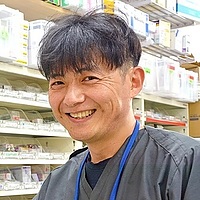
富士市・富士宮市で在宅医療に携わっている薬剤師の栗原憲二です。
在宅医療の現場に身を置いていると、しばしば自分自身に問いかけることがあります。
「薬剤師は、どこまで患者様の生活に介入してよいのだろうか」
この問いは、単なる業務範囲の問題ではなく、専門職としての在り方そのものに関わるテーマだと感じています。
目次
A Pharmacist’s Role Is Shaped by the Environment
Characteristics of Front-of-Clinic and Large Hospital Pharmacies
The Expanding Role of Drugstore Pharmacists
The Unique Nature of Pharmacists in Home Medical Care
The Question: “How Far Should We Intervene?”
⸻
薬剤師の働きは「環境」によって規定される
薬剤師の役割は一律ではありません。むしろ、働く「環境」によって、その関わり方は大きく異なります。
例えば、病院薬剤師。
現在では「病棟薬剤師」として、特定の病棟に常駐し、患者様の治療に深く関与する体制が整いつつあります。電子カルテを通じて、医師の診療記録や看護記録を確認しながら服薬指導を行うことができるため、薬学的介入の精度は高いと言えるでしょう。
一方で、その専門性に見合った評価が十分に得られているかというと、まだ課題が残ります。
収入面においては、門前薬局やドラッグストアと比較して低い傾向があり、長期的なキャリア形成にも時間を要する現実があります。
ただし近年では、医師の包括的指示のもとで継続処方に関与するなど、役割の拡張も見られています。こうした流れが続けば、病院薬剤師の評価は徐々に見直されていく可能性もあるでしょう。
⸻
門前薬局と総合門前薬局の特性
門前の調剤薬局では、特定の医療機関との関係性の中で業務が構築されます。
処方傾向を把握しているため、調剤業務は効率的に進みやすく、処方の違和感にも気づきやすいという利点があります。患者様との距離も比較的近く、顔なじみの関係性が築かれることも少なくありません。
ただし、診療科に依存した処方内容の偏りや、作業のルーティン化という側面もあります。同じ処方を繰り返し扱う中で、思考が固定化されてしまうリスクも否定できません。
一方、総合病院前の薬局では、多様な処方箋を扱うため、薬学的な幅は広がります。
同僚との関係の中で切磋琢磨できる環境も整っています。
しかし、処方箋枚数が多く、業務が流動的になるため、どうしても「広く浅く」の関わりになりがちです。
患者様との関係性も一過性のものになりやすく、継続的なフォローが難しい場面もあります。
また、大手グループに属する場合には、経営的な視点が強く働くこともあり、時にそのバランスに悩むこともあるかもしれません。
⸻
ドラッグストア薬剤師の拡張性
近年、ドラッグストア併設型薬局は急速に増加しています。
これは、セルフメディケーション推進という国の方針とも連動した動きです。患者様にとっては、日用品の購入と同時に医薬品を入手できる利便性があります。
また、売上の主軸が日用品であることから、調剤部門に過度な利益圧力がかかりにくいという構造的特徴もあります。
その一方で、OTC医薬品に関する幅広い知識と、一般の方に分かりやすく説明する能力が求められます。
ここでは、「医療者としての説明力」と「生活者としての共感力」の両立が問われていると言えるでしょう。
⸻
在宅医療における薬剤師の特殊性
そして、在宅医療に携わる薬剤師。
この領域において最も特徴的なのは、「患者様の生活空間に直接関与する」という点です。
個人宅では、文字通りプライベートな空間に足を踏み入れます。
施設においても、本来であれば生活の場に近い環境での関与が求められますが、近年は感染対策の影響もあり、十分に踏み込めないケースも見受けられます。
このような状況の中で、服薬後の実態把握が難しくなることもあります。
つまり在宅医療では、「見えている情報」と「実際に起きていること」のギャップに常に向き合う必要があるのです。
⸻
「どこまで介入するか」という問い
在宅における最大の課題は、距離感です。
踏み込みすぎれば、生活への過干渉となる可能性がある。一方で遠慮しすぎれば、残薬や服薬不良といった問題を見逃してしまう。
このバランスは、マニュアルで規定できるものではありません。
だからこそ、現場では常に「手探り」の状態が続きます。
信頼関係を築くためには、小さな積み重ねが不可欠です。何気ない会話、些細な確認、丁寧な説明。その一つひとつが、「この人なら相談してもよい」という関係性を形作っていきます。
ここで重要になるのは、「専門家としての視点」と「生活者としての視点」を行き来する力です。
薬剤師にとっては些細に見えることでも、患者様にとっては大きな不安であることは少なくありません。
だからこそ必要なのが、「素人思考」や「ゼロベース思考」です。
⸻
「素人思考」と「ゼロベース思考」とは何か
ここで少し立ち止まって、この二つの考え方を整理してみたいと思います。
まず、「素人思考」とは何か。
これは、専門知識をいったん脇に置き、「医療に詳しくない人なら、どう感じるか」という視点に立つことです。
例えば、薬剤師にとっては当たり前の「食後服用」という指示でも、患者様にとっては、
「どのタイミングが食後なのか」
「食事を抜いたときはどうするのか」
といった疑問が生じることがあります。
専門家としては説明済みのつもりでも、患者様の中では十分に整理されていない。
こうしたズレに気づくための視点が「素人思考」です。
次に、「ゼロベース思考」です。
これは、これまでの前提や経験にとらわれず、「本当にこのやり方が最適なのかを一から考え直す姿勢」を指します。
在宅医療では、
「この患者様は一包化で問題ないはず」
「この薬は継続でよいはず」
といった“過去の正解”が、そのまま現在にも当てはまるとは限りません。
生活環境、認知機能、家族状況は常に変化しています。
だからこそ一度立ち止まり、「今のこの方にとって、本当に最適な方法は何か」
を改めて問い直す必要があります。
⸻
介入とは「支配」ではなく「支援」である
最終的に、薬剤師の介入とは何でしょうか。
それは、患者様の生活をコントロールすることではありません。
むしろ、「患者様が自分らしく生活できるように支えること」にあるのだと思います。
そのために、どこまで関わるのか。どこで一歩引くのか。
明確な正解はありません。しかし、問い続けること自体が、専門職としての誠実さを保つことにつながるのではないでしょうか。
在宅医療の現場とは、その問いと向き合い続ける場所なのだと、日々感じています。
I am Kenji Kurihara, a pharmacist engaged in home medical care in Fuji City and Fujinomiya City.
While working in the field of home medical care, I often find myself asking a fundamental question.
“How far should pharmacists intervene in the daily lives of patients?”
This question is not merely about the scope of work. Rather, I feel it is deeply connected to the very nature of what it means to be a professional.
目次
A Pharmacist’s Role Is Shaped by the Environment
Characteristics of Front-of-Clinic and Large Hospital Pharmacies
The Expanding Role of Drugstore Pharmacists
The Unique Nature of Pharmacists in Home Medical Care
The Question: “How Far Should We Intervene?”
⸻
A Pharmacist’s Role Is Shaped by the Environment
The role of a pharmacist is not uniform. Instead, the way we engage with patients varies significantly depending on the environment in which we work.
For example, hospital pharmacists.
Today, many are assigned as “ward pharmacists,” responsible for specific hospital wards and actively involved in patient care. By accessing electronic medical records and reviewing physicians’ notes and nursing records, they can provide highly precise pharmaceutical interventions.
However, whether their expertise is adequately recognized remains an open question.
In terms of income, they tend to earn less than pharmacists working in front-of-clinic pharmacies or drugstores, and building a long-term career often takes considerable time.
That said, in recent years, there has been a gradual expansion of their role—for example, being involved in continued prescriptions under comprehensive physician directives. If this trend continues, the evaluation of hospital pharmacists may improve over time.
⸻
Characteristics of Front-of-Clinic and Large Hospital Pharmacies
Pharmacists working in front-of-clinic dispensing pharmacies operate within close relationships with specific medical institutions.
Because they are familiar with prescribing patterns, dispensing tends to proceed efficiently, and they are more likely to detect prescription inconsistencies. They also often build close, familiar relationships with patients.
However, there is also a tendency toward routine work and a bias in the types of medications handled depending on the medical specialty. Repeated exposure to similar prescriptions can lead to a fixed way of thinking.
On the other hand, pharmacies located in front of large hospitals handle a wide variety of prescriptions, broadening pharmaceutical expertise.
They also provide opportunities to grow through collaboration and mutual learning among many colleagues.
However, due to the high volume of prescriptions and fast-paced workflow, interactions tend to become “broad but shallow”.
Relationships with patients are often transient, making continuous follow-up more difficult.
Additionally, when working within large corporate pharmacy groups, business considerations can sometimes take precedence, creating situations where that balance becomes a challenge.
⸻
The Expanding Role of Drugstore Pharmacists
In recent years, pharmacies within drugstores have been rapidly increasing.
This trend aligns with national policies promoting self-medication. For patients, it offers the convenience of obtaining medications while purchasing daily necessities.
Furthermore, since a significant portion of revenue comes from retail goods, there is less structural pressure on the dispensing division to drive profits.
At the same time, pharmacists are required to have broad knowledge of OTC medications and the ability to explain them clearly to the general public.
In this setting, the balance between “professional explanation skills” and “empathy as a fellow consumer” becomes essential.
⸻
The Unique Nature of Pharmacists in Home Medical Care
Now, consider pharmacists involved in home medical care.
The defining characteristic of this field is that we directly engage with patients’ living environments.
In private homes, we literally step into deeply personal spaces.
Even in care facilities, where involvement in daily living spaces would ideally be expected, infection control measures in recent years have sometimes limited how deeply pharmacists can engage.
Under such circumstances, it can become difficult to accurately grasp what happens after medication is taken.
In other words, in home medical care, we must constantly face
“the gap between what we can see and what is actually happening”.
⸻
The Question: “How Far Should We Intervene?”
The greatest challenge in home care is maintaining the right distance.
If we intervene too much, it risks becoming intrusive in a patient’s daily life.
If we hold back too much, we may overlook issues such as leftover medications or poor adherence.
This balance cannot be defined by manuals.
That is why we are always navigating in a state of uncertainty.
Building trust requires the accumulation of small actions—casual conversations, minor confirmations, careful explanations.
Each of these contributes to forming a relationship where the patient feels, “I can talk to this person.”
What becomes essential here is the ability to move between
“the perspective of a professional” and “the perspective of a person living everyday life”.
What may seem trivial to a pharmacist can be a significant concern for a patient.
That is precisely why we need
“layperson thinking” and “zero-based thinking”.
⸻
What Are “Layperson Thinking” and “Zero-Based Thinking”?
Let us pause here and clarify these two concepts.
First, “layperson thinking”.
This means temporarily setting aside professional knowledge and adopting
“the perspective of someone without medical expertise”.
For example, instructions like “take after meals,” which seem obvious to pharmacists, may raise questions for patients:
“What exactly counts as ‘after a meal’?”
“What should I do if I skip a meal?”
Even when we believe we have explained things sufficiently, patients may not have fully processed the information.
Recognizing this gap is the essence of layperson thinking.
Next, “zero-based thinking”.
This refers to stepping away from past assumptions and experiences, and
“reconsidering from scratch whether the current approach is truly optimal”.
In home medical care, assumptions such as
“This patient should be fine with one-dose packaging”
or “This medication should simply be continued”
do not always hold true over time.
Living environments, cognitive function, and family situations are constantly changing.
That is why we must pause and ask again:
“What is truly the best approach for this patient right now?”
⸻
Intervention Is Not Control, but Support
Ultimately, what does it mean for a pharmacist to intervene?
It is not about controlling a patient’s life.
Rather, it is about
“supporting patients so they can live in a way that is true to themselves”.
How far should we be involved?
When should we step back?
There are no clear-cut answers.
However, continuing to ask these questions itself may be what sustains our integrity as professionals.
I feel every day that the field of home medical care is a place where we must continue to face these questions.