
エノコログサはエコなだけでなく歴史も凄かった
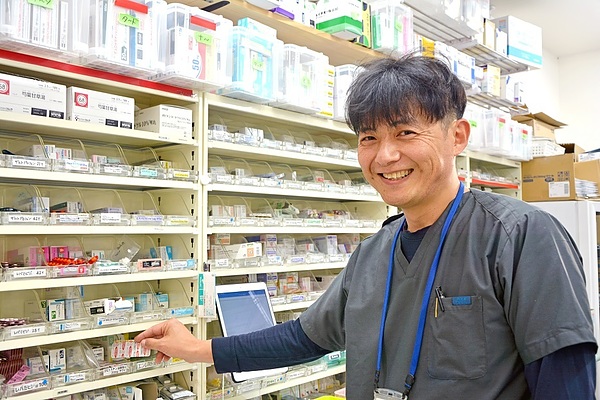
富士市・富士宮市で在宅医療に携わっている薬剤師の栗原憲二です。
在宅医療の現場において、私たちが日々向き合っているものの一つに、「見えないリスク」があります。
一見すると問題がないように見える状況の中に、実は重大なリスクが潜んでいる。
この構造こそが、在宅医療の難しさの一端であると感じています。
⸻
見えないリスクとは何か
在宅医療では、病院とは異なり、患者様の生活空間の中で医療が行われます。
つまりそこには、医療者の管理が行き届かない領域が数多く存在します。
・服薬状況が実際には守られていない
・副作用が出ていても申告されていない
・生活環境が治療に影響している
こうした情報は、カルテや処方箋だけでは把握できません。
「問題が表面化していない=安全である」ではないという認識が重要になります。
⸻
情報共有の重要性
この「見えないリスク」に対応する上で、最も重要になるのが、医療機関同士の情報共有です。
在宅医療では、医師・看護師・ケアマネジャー・薬剤師など、多職種が関わります。
それぞれが持っている情報を統合することで、初めて患者様の全体像が見えてきます。
特に重要なのが、初回の情報整理です。
初回情報がしっかりと整理されていれば、その後の治療は格段に進めやすくなります。
しかし現実には、定期的な受診が行われていない患者様や、医療機関に対する不信感から、十分な情報が得られないケースも少なくありません。
そのような場合には、形式的な情報収集だけでは不十分です。
⸻
信頼関係が情報の質を決める
在宅医療では、情報は「聞けば得られるもの」ではありません。
患者様との関係性の中で、少しずつ引き出されていくものです。
だからこそ、私たち医療者には、細やかな配慮が求められます。
・生活に踏み込む際の距離感
・言葉の選び方
・表情や態度
こうした一つ一つが、信頼関係の土台となります。
そして信頼が得られたとき、初めて、本当に必要な情報が開示されるようになります。
⸻
処方から読み取る力
薬剤師は、処方内容から患者様の状態をある程度推察することができます。
・薬剤の種類
・用量
・変更履歴
これらの情報をもとに、「なぜこの処方になっているのか」を考えます。
その上で、患者様への聞き取りを行い、実際の状態との整合性を確認します。
いわば、処方という“仮説”と、生活という“現実”のすり合わせです。
ただし、処方上の情報だけでは限界があります。
だからこそ、現場での観察と対話が不可欠になります。
⸻
見えないリスクにどう向き合うか
見えないリスクを完全になくすことはできません。
しかし、それを前提とした上で、リスクを最小化することは可能です。
・多職種連携による情報の補完
・継続的な観察
・信頼関係の構築
・仮説と検証の繰り返し
これらを積み重ねていくことが、在宅医療の質を高めていきます。
⸻
おわりに
在宅医療は、「見えている情報」だけで判断できる領域ではありません。
むしろ、見えていない部分にどれだけ意識を向けられるかが、専門職としての力量を左右するのではないかと感じています。
見えないものに目を向ける力。
それは、知識や技術だけでなく、人と向き合う姿勢そのものから生まれるものです。
これからも現場の中で、その感覚を磨き続けていきたいと思います。
ーーーー
I am Kenji Kurihara, a pharmacist engaged in home medical care in Fuji City and Fujinomiya City.
In the field of home healthcare, one of the things we face on a daily basis is
“invisible risk.”
Situations that appear problem-free at first glance may, in fact, conceal significant risks.
I feel that this very structure represents one of the fundamental challenges of home medical care.
⸻
What Is “Invisible Risk”?
In home healthcare, unlike in hospitals, medical care is delivered within the patient’s living environment.
This means there are many areas beyond the direct control of healthcare professionals.
•Medication adherence may not actually be maintained
•Side effects may not be reported
•The living environment may be influencing treatment
Such information cannot be fully captured through medical records or prescriptions alone.
“No visible problem = safe” is a misconception—and recognizing this is essential.
⸻
The Importance of Information Sharing
To address these “invisible risks,” the most critical factor is information sharing among healthcare providers.
In home medical care, multiple professionals are involved—physicians, nurses, care managers, pharmacists, and others.
Only by integrating the information held by each professional can we begin to see the full picture of the patient.
Particularly important is the organization of information at the initial stage.
When initial information is well-structured, subsequent treatment becomes significantly more manageable.
However, in reality, there are many cases where patients do not attend regular medical visits,
or where distrust toward medical institutions prevents sufficient information from being obtained.
In such situations, formal information gathering alone is not enough.
⸻
Trust Determines the Quality of Information
In home healthcare, information is not something that can simply be obtained by asking.
It is something that is gradually revealed within the context of a relationship with the patient.
That is why healthcare professionals must exercise careful consideration.
•Maintaining appropriate boundaries when entering a patient’s personal space
•Choosing words thoughtfully
•Being mindful of facial expressions and attitudes
Each of these elements forms the foundation of trust.
And only when trust is established does
truly necessary information begin to emerge.
⸻
The Ability to Read Prescriptions
Pharmacists can infer a patient’s condition to a certain extent from the prescription.
•Types of medications
•Dosages
•History of changes
Based on this information, we consider: “Why was this prescription chosen?”
We then conduct interviews with the patient and verify whether it aligns with their actual condition.
In other words,
it is the process of reconciling the “hypothesis” of the prescription with the “reality” of daily life.
However, prescription information alone has its limitations.
That is why on-site observation and dialogue are indispensable.
⸻
How Should We Approach Invisible Risks?
Invisible risks cannot be completely eliminated.
However, assuming their existence, it is possible to minimize them.
•Complementing information through multidisciplinary collaboration
•Continuous observation
•Building trust
•Repeated cycles of hypothesis and verification
Accumulating these efforts leads to improved quality in home medical care.
⸻
Conclusion
Home healthcare is not a field where decisions can be made based solely on visible information.
Rather, the ability to recognize and attend to what is not visible
may well define one’s competence as a professional.
The ability to see what cannot be seen.
This is not derived from knowledge or technical skill alone,
but from one’s fundamental attitude toward engaging with people.
I hope to continue refining this sensibility through my work in the field.