

「心を見つめるカウンセリング心理学」講座開講のご案内(たかおか学遊塾)
東日本大震災も発生から丸3年を迎えました。その間いくつかのキーワードが生まれました
が、「絆」と共に「希望」もその一つでしょう。
それではここで「希望を持つ」とはどういうことかについて、心理学的に改めて考えてみたい
と思います。
○個人的な背景
この「希望を持つ」ということについては、私にとって今も思い出すことがあります。
それは数年前、私が米国コロラド州のデンバー大学大学院のカウンセリング心理学の博士課程
で勉強していた時のことです。
カウンセリングの実習で指導教授と共に私の面接テープを検討していた時、その教授はカウン
セリングの目的は相談者(クライエント)に希望を与えることだ、と言いました。
しかしながら私自身は半信半疑でした。というのは、クライエントに希望を与えても、もし
それが実現不可能なら逆にクライエントは深く傷つくのではないか。つまり偽りの希望を
与えることはクライエントの真の利益に反するのではないか、と思ったからです。
しかしながら、その後読んだ希望についてのいくつかの心理学的研究が、私の希望についての
理解を深めてくれました。
○希望についての心理学的研究
その一つが、希望についての心理学的研究の中心の一人である米国ノースカロライナ大学の
バーバラ・フレドリクソン教授の「なぜ希望を選ぶか」という小文です。
教授によると、希望は他の肯定的な感情とは大きく違うというのです。つまり、大部分の肯定
的な感情は、安全で充足していると感じる時に起きてくるのに比べ、希望は状況が良くない
時、例えば物事がうまくいかない時、あるいはどうなるか非常に不確定な正にその時に起きて
くるというのです。
そのような状態で起きてくる希望を、有名な心理学者のリチャード・ラザラスは、“最悪を
恐れながらも、より良いものを祈願する”ものと表現しています。
フレドリクソン教授は、希望は文字通り我々に前途を開かせ、恐怖や絶望に打ち勝つ力を
与え、物事を大局的に捉えることを可能にし、創造的に振舞うことを可能にする、と述べて
います。
その理由は、希望は「物事は変えうる、そして良い方向に向かう可能性が存在する」という
信念に基づいているから、というのです。
また、希望の心理学的研究における別の第一人者であるシェーン・ロペス博士は、希望とは
“恍惚的な自信と恐怖心を足して2で割ったもの”と表現しています。言い換えれば、”万能感
と合理性の中間、また楽天性と注意深さの間にあるものだ“とするのです。
ロペス博士は更に、希望は、“将来が良い方向に向かうという信念だけでなく、それを実現
するための実際の行動も含むもの”と言っています。この実際の行動も含む点で、態度だけ
である「楽天的」であることとは異なると言っています。
○希望を持つことについての私の考え
以上から私が学んだことは次のことです。
➀希望を持つということは自動的に起きてくることではなく、それを「選ぶ」ことであること
➁希望を持つというのは、根拠のない夢に基づいているのではなく、背景に冷静な計算や判断
があること
③真に希望を持つには、「物事は変えうる」という基本的な信念・価値観が必要なこと
つまり、希望を持つという行動自体、主体的な勇気のある行為であるということです。
皆さんはどうお考えでしょうか。
なお、出典は以下です。
1)http://www.psychologytoday.com/blog/positivity/200903/why-choose-hope
2) “The Psychology of Hope” by Margarita Tartakovsky, M.S. March 21, 2013
“I used to think hope was just a warm, vague feeling. It was that sense of excitement that I got before Christmas when I was a child. It lingered a while and then disappeared,” writes author and Gallup senior scientist Shane J. Lopez, Ph.D, in his book Making Hope Happen: Create the Future You Want for Yourself and Others.
Maybe you can relate. Maybe hope has a fleeting quality for you, too. Maybe you also associate hope with childhood, a kind of effervescence that didn’t survive the transition into adulthood.
Today, Lopez, who’s a leading researcher of hope, has a different perspective. He views hope like oxygen. “We can’t live without hope.” Why is hope so important?
For instance, Lopez and his colleagues conducted three meta-analyses. Their findings showed that hope leads to everything from better performance in school to more success in the workplace to greater happiness overall. And it makes sense. According to Lopez, “When we’re excited about ‘what’s next,’ we invest more in our daily life, and we can see beyond current challenges.”
Unfortunately, only half of us measure high in hope, Lopez notes in the book. Fortunately, however, hope can be learned. Hopeful people share four core beliefs, according to Lopez:
1. The future will be better than the present.
2. I have the power to make it so.�
3. There are many paths to my goals.�
4. None of them is free of obstacles.
Hope includes a range of emotions, such as joy, awe and excitement. But it’s not empty, tunnel-vision enthusiasm. Hope is a combination of your head and heart, Lopez writes. He describes hope as “the golden mean between euphoria and fear. It is a feeling where transcendence meets reason and caution meets passion.”
Lopez also distinguishes hope from other terms such as optimism. He notes that optimism is an attitude. You think your future will be better than today. But hope is both the belief in a better future and the action to make it happen.
As Lopez writes, “You might consider yourself a hard-nosed realist, even a pessimist – someone who sees the world in a clear, cold light – but you take action to improve any situation that’s important to you.”
In the book, Lopez shares how readers can accomplish our goals, become confident about the future, cultivate hope every day and create hope in our society. He reveals the 3-step process that propels hope into action: goals, agency and pathways.
In other words, hopeful people pick good goals, know how to make them happen, and spot and seek out the pathways that will move them forward.
For many people, it’s the last part that trips us up. (But picking goals also can be tricky. According to Lopez, pick goals that you’re excited about pursuing and align with your strengths.) Hopeful people use cues and defaults to make it easier for them to achieve their aspirations.
For instance, Lopez’s friend wears an electronic bracelet that vibrates every 20 minutes to remind her to get up and stretch or walk down the hall.
A default helps your goal thrive on autopilot. There’s no decision to make; it’s made for you. For example, if you’re trying to save money, every month, you have your bank automatically transfer the same amount of money from your checking into your savings account, Lopez writes.
In the book Lopez also underscores that hope is contagious. “Your hope is actually dependent on your entire social network, including best friends, role models and secondhand associates. And your hope can be shared with others.”
According to Lopez, we can spread hope by modeling it through stories and our actions and providing support to others. Hope gives us the power to effect change.
As he writes, “Please build up your hope. Then with hope to spare, help others build a future that is better than the present. Much better.”
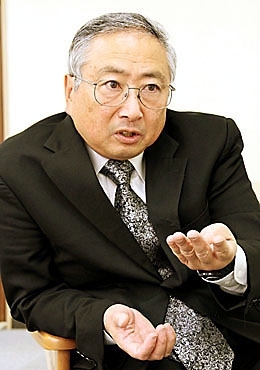
村田 晃
心理学博士 (PhD University of Denver USA)
臨床心理士、富山県スクールカウンセラー