

入浴サービスや口腔ケアは介護の上でとても大切です。
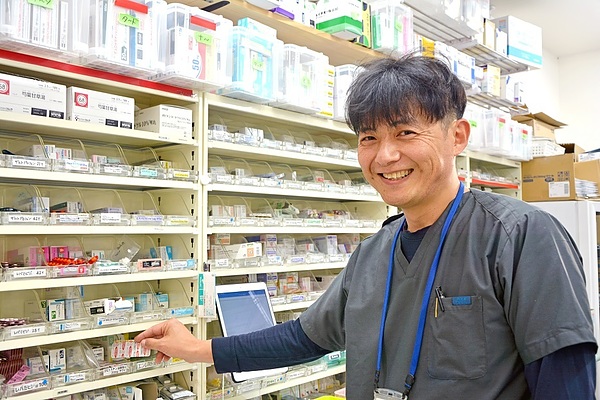
富士市・富士宮市で在宅医療に携わっている薬剤師の栗原憲二です。
最近、「AI」という言葉を聞かない日はないかもしれません。
処方の確認、文章作成、情報収集――
気づけば、私たちの仕事や生活のあらゆる場面に入り込んできています。
在宅医療の現場でも例外ではありません。
・患者様の情報整理
・薬歴の記録
・処方内容の検討
これらの場面で、AIの力を借りることは、すでに現実的な選択肢となっています。
⸻
正直に言えば、
「もう、自分で考えなくてもいいのでは?」
そんな誘惑を感じる瞬間もあるのではないでしょうか。
⸻
ただ、在宅医療の現場にいると、むしろ逆のことを感じます。
「人が考えなければならない場面は、むしろ増えている」
ということです。
今回は、「AI時代に自分を見失わないために何が必要か?」を、在宅医療の現場の実感とともに整理してみたいと思います。
目次
1. First, Recognize That We Are Beings Who Make Mistakes
2. Having Your Own Way of Thinking
3. Not Drowning in the Sea of Information
4. Judgment Is a Series of Small Choices
6. In Closing — What Remains in Both Home Medical Care and the AI Era
──────────────────────────
1.まず、自分は「間違える存在」であると知る
少し厳しい言い方かもしれませんが、人間の考えは、基本的に有限です。
これは在宅医療の現場でも、日々実感します。
⸻
同じ処方内容であっても、
・生活環境
・理解度
・価値観
によって、その「正しさ」は変わって見えます。
⸻
ある患者様にとって最適な方法が、別の患者様にとっては負担になることもあります。
⸻
だからこそ、
「自分の考えは正しいかもしれないが、絶対ではない」
という前提を持つことが重要です。
これは、在宅医療においては「相手に合わせる余白を持つこと」
とも言えるのかもしれません。
──────────────────────────
2.「自分の考え方」を持つということ
AIが答えを出してくれる時代だからこそ、
「どう考えるか」という軸が問われます。
これは、在宅医療における判断そのものです。
⸻
① 批判と判断は違う
在宅医療では、
・服薬できていない
・生活習慣に課題がある
といった場面に直面します。
ここで単に「それは良くない」と批判することは簡単です。
しかし、
それでは現場は何も変わりません。
⸻
大切なのは、
・なぜそうなっているのか
・どこに無理があるのか
・どうすれば現実的に改善できるのか
を考え、
「この方にとっての最適解」を見つけることです。
⸻
② 人間は神ではない
在宅医療では、
「これが正解だ」と言い切れない場面が多くあります。
だからこそ、
間違えないことよりも、修正できること
が重要になります。
この姿勢が、継続的な関係性を支えます。
──────────────────────────
3.情報の波に溺れないために
AI時代は、情報が溢れています。
在宅医療でも、
・検査値
・処方内容
・生活情報
など、多くの情報が同時に存在します。
⸻
① 情報は「現場」で意味を持つ
薬局内で見ていた情報と、
実際の生活の中で見る情報は、まったく違う意味を持ちます。
⸻
例えば、
「服薬遵守率が低い」という情報も、
・認知機能の問題なのか
・生活リズムの問題なのか
・価値観の問題なのか
によって、対応は大きく変わります。
⸻
情報は、文脈の中で初めて意味を持つ
ということを、在宅医療は教えてくれます。
──────────────────────────
4.判断とは、小さな選択の積み重ね
在宅医療の現場は、判断の連続です。
・今、介入すべきか
・様子を見るべきか
・医師に報告すべきか
⸻
これらはすべて、
「どちらを選ぶか」
という判断です。
⸻
① 分解すれば判断できる
一見難しい判断も、
小さな要素に分解していけば、整理できます。
これは、
AI時代においても変わらない、人間の思考の基本です。
⸻
② 現実を優先する
理想論だけでは、在宅医療は成り立ちません。
・今、この患者様に何ができるのか
・どこまでが現実的なのか
を見極めることが、
最終的な判断を支えます。
──────────────────────────
5.AIとの付き合い方
在宅医療においても、AIは有用なツールです。
ただし、
「使うが、任せない」
この姿勢が重要です。
⸻
① AIは補助であって主体ではない
AIは、
・情報整理
・選択肢の提示
に優れています。
しかし、
「この患者様にとってどうか?」という判断は、人にしかできません。
⸻
② あえて反対意見を活用する
在宅医療では、「この対応で良いのか?」と悩む場面があります。
そうしたときに、あえてAIに反対意見を出してもらうことで、自分の判断を客観視する
ことができます。その反対意見を踏まえた上で自分がどう判断するのか?それをやってみるということは、経験的にいうととても効果的でした。自分は「こういう判断をするんだ」ということを知れるということに意味があると感じました。
──────────────────────────
6.最後に――在宅医療とAI時代に共通するもの
AI時代も、在宅医療も、
一つの共通点があります。
それは、
「正解が一つではない」
ということです。
⸻
だからこそ必要なのは、
・考える力
・選ぶ力
・修正する力
だと思います。
⸻
在宅医療の現場で日々感じるのは、
医療とは、
「人の生活に寄り添いながら、最適解を探し続ける営み」であるということです。
AIがどれだけ進化しても、この営みがなくなることはありません。
むしろこれからは、
「人としてどう判断するか」が、より問われる時代になるのではないでしょうか。
本稿が、そのような課題の一助となれば幸いです。
ーーーー
My name is Kenji Kurihara, a pharmacist engaged in home medical care in Fuji City and Fujinomiya City.
These days, it is rare to go a day without hearing the term “AI.”
Prescription review, document drafting, information gathering—
before we realize it, AI has entered nearly every aspect of our work and daily lives.
This is no exception in the field of home medical care.
•Organizing patient information
•Recording medication histories
•Reviewing prescriptions
In these areas, relying on AI is already becoming a practical option.
⸻
To be honest,
“Maybe we no longer need to think for ourselves?”
There may be moments when such a temptation arises.
⸻
However, working in home medical care, I often feel the opposite.
“The situations in which humans must think are actually increasing.”
In this article, I would like to explore what is necessary to avoid losing oneself in the age of AI, drawing from real experiences in home medical care.
目次
1. First, Recognize That We Are Beings Who Make Mistakes
2. Having Your Own Way of Thinking
3. Not Drowning in the Sea of Information
4. Judgment Is a Series of Small Choices
6. In Closing — What Remains in Both Home Medical Care and the AI Era
──────────────────────────
1. First, Recognize That We Are Beings Who Make Mistakes
This may sound a bit harsh, but:
human thinking is fundamentally limited.
This is something I experience daily in home medical care.
⸻
Even with the same prescription:
•Living environment
•Level of understanding
•Personal values
can all change what is considered “correct.”
⸻
What is optimal for one patient
may be a burden for another.
⸻
Therefore,
“My thinking may be correct, but it is not absolute”
is an important mindset to maintain.
In home medical care, this can also be described as
“maintaining flexibility to adapt to each individual.”
──────────────────────────
2. Having Your Own Way of Thinking
In an age where AI can provide answers,
the question becomes “how do you think?”
This is directly connected to decision-making in home medical care.
⸻
① Criticism Is Not the Same as Judgment
In home medical care, we often encounter situations such as:
•Poor medication adherence
•Lifestyle-related challenges
It is easy to simply say, “That’s not good.”
However,
that alone does not change anything in practice.
⸻
What truly matters is:
•Why is this happening?
•Where is the burden?
•What is realistically achievable?
and then,
finding “the optimal solution for this individual.”
⸻
② Humans Are Not Perfect Beings
In home medical care,
there are many situations where we cannot say, “This is the correct answer.”
Therefore,
what matters is not avoiding mistakes entirely, but being able to adjust.
This mindset supports long-term relationships.
──────────────────────────
3. Not Drowning in the Sea of Information
In the age of AI, information is abundant.
In home medical care as well, we deal with:
•Lab data
•Prescription details
•Lifestyle information
⸻
① Information Gains Meaning in Context
Information seen in the pharmacy
and information observed in the patient’s home
often carry completely different meanings.
⸻
For example,
“low medication adherence” may result from:
•Cognitive decline
•Lifestyle patterns
•Personal values
Each requires a different approach.
⸻
Information only becomes meaningful within context.
This is something home medical care teaches us.
──────────────────────────
4. Judgment Is a Series of Small Choices
The field of home medical care is a continuous stream of decisions:
•Should we intervene now?
•Should we observe?
•Should we report to the physician?
⸻
All of these are essentially:
“Which option do we choose?”
⸻
① Break It Down to Make It Manageable
Even complex decisions can be handled
by breaking them into smaller components.
This is
a fundamental human thinking process that remains unchanged even in the age of AI.
⸻
② Prioritize Reality
Home medical care cannot function on idealism alone.
•What can we realistically do for this patient?
•What is feasible at this moment?
Understanding this is key to making sound decisions.
──────────────────────────
5. How to Work with AI
AI is also a useful tool in home medical care.
However,
“Use it, but do not rely on it completely.”
This stance is essential.
⸻
① AI Supports, but Does Not Decide
AI excels at:
•Organizing information
•Presenting options
However,
“What is best for this particular patient?” can only be determined by a human.
⸻
② Use AI to Generate Counterarguments
In home medical care, we often question:
“Is this the right approach?”
In such cases, asking AI to provide opposing viewpoints can help
objectively reassess one’s own judgment.
──────────────────────────
6. In Closing — What Remains in Both Home Medical Care and the AI Era
There is one thing that home medical care and the AI era have in common:
“There is no single correct answer.”
⸻
That is why we need:
•The ability to think
•The ability to choose
•The ability to adjust
⸻
What I feel every day in home medical care is that:
medical care is
“an ongoing effort to seek the best possible solution while staying close to a person’s daily life.”
⸻
No matter how advanced AI becomes,
this will not disappear.
⸻
Rather,
“how humans make decisions” will become even more important.
I hope this article serves as a small contribution to that understanding.