

お薬よもやま話 その2 ーお薬はいつまで飲む?
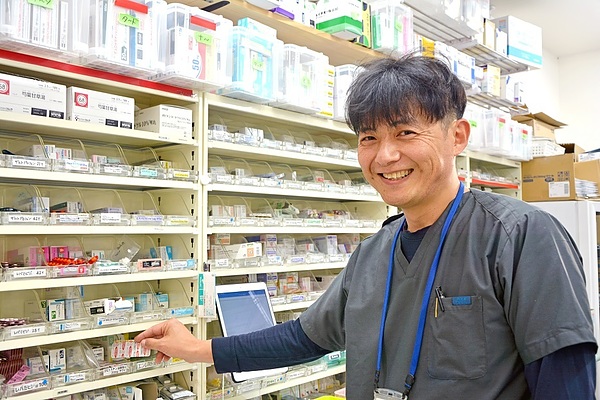
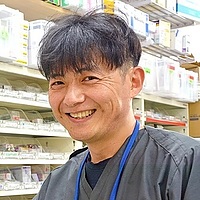
富士市・富士宮市で在宅医療に携わっている薬剤師の栗原憲二です。
日々の業務に追われていると、ふと、こう感じることがあります。
「気づけば、一日が“作業”だけで終わってしまっているのではないか」
在宅医療の現場では、時間に追われる場面が多くあります。
訪問のスケジュール、処方対応、臨時の相談、関係職種との連携。
一つひとつは大切な業務ですが、それらが連続すると、いつの間にか思考する余白が失われていきます。
本稿では、「忙しさ」という現代的な課題に対して、どのように向き合い、その中でどのように新しいことにチャレンジしていくのか。
上記の点に関して、在宅医療の現場からの実感をもとに整理してみたいと思います。
目次
2. The Invisible Risk of Routine (Mannerism)
3. The Meaning of Taking on New Challenges Amid Busyness
4. Thinking from the “Upstream”
5. Having the Courage to Pause
7. The Difference Between “Focus” and “Distraction”
──────────────────────────
1.「忙しさ」がもたらすもの
まず最初に考えたいのは、「忙しさ」の問題とは何かという点です。
単純に業務量が多いというだけではありません。
本質的な問題は、忙しさによって「思考力」が奪われてしまうこと
にあります。
業務に追われていると、自然と次のような状態になります。
・目の前に来たものを処理する
・判断を最短距離で終わらせる
・新しいことを考えない
つまり、
「流れてくる業務を捌く」状態です。
この状態が続くと、次第に業務は「作業化」していきます。
⸻
2.マンネリ化という見えないリスク
忙しさが続くと、もう一つの問題が生じます。
それが「マンネリ化」です。
同じ手順
同じ判断
同じ説明
これらを繰り返すことで、効率は一見上がったように見えます。
しかしその実態は、「考えなくてもできる状態」に自分を固定している
とも言えます。
医療の現場において、これは非常に重要な問題です。
なぜなら、
患者さまは一人ひとり異なる存在だからです
同じ薬であっても、
同じ処方であっても、
同じ対応が最適とは限りません。
マンネリ化とは、「個別性」を見失うことでもあります。
⸻
3.忙しさの中で「新しいこと」に挑む意味
では、どうすればよいのでしょうか。
一つの答えはシンプルです。
「新しいことにチャレンジすること」そのものを、業務の一部にする
ということです。
忙しいからこそ、新しいことは後回しになりがちです。
しかし実際には逆で、
新しいことに取り組まないからこそ、忙しさから抜け出せない
とも言えます。
例えば、
・服薬指導の伝え方を変えてみる
・情報共有の方法を見直す
・記録の取り方を改善する
こうした小さな変化が、やがて大きな効率化につながることがあります。
⸻
4.「上流」で考えるという視点
業務は常に「流れ」の中にあります。
処方が来て、
調剤して、
配薬して、
指導する。
この流れの中で、下流ばかりを改善しようとすると、限界があります。
そこで重要になるのが、
「上流で考える」という視点です。
例えば、
・処方内容の受け取り方
・情報共有のタイミング
・事前準備の仕組み
これらを見直すことで、全体の流れそのものが変わることがあります。
在宅医療では特に、事前の情報整理やルート設計が業務効率に大きく影響します。
⸻
5.「立ち止まる勇気」を持つ
忙しい中で、最も難しい行動の一つが「立ち止まること」です。
目の前の業務を続けた方が、短期的には楽です。
しかし、立ち止まらないことは、思考を放棄することでもあります
一度立ち止まり、
・今のやり方は最適か
・別の方法はないか
・優先順位は適切か
を見直す。
この時間は、一見すると非効率に見えます。
しかし実際には、長期的には最も効率を生み出す行動です。
⸻
6.メモが思考を解放する
忙しさの中で思考を取り戻すための具体的な方法として、「メモ」があります。
人の頭の中には、常に複数のタスクが存在しています。
それらを抱えたままでは、新しいことを考える余地が生まれません。
そこで、
一度「外に出す」ことが重要になります
メモに書くことで、
・記憶から解放される
・思考の余白が生まれる
・優先順位が整理される
結果として、
新しい発想が生まれやすくなるのです。
⸻
7.「集中」と「散漫」の違い
時間の使い方という観点でも、重要な違いがあります。
それが、
・集中している状態
・意識が散漫な状態
です。
集中しているとき、人は驚くほどの処理能力を発揮します。
一方で、意識が散漫な状態では、時間はただ消費されていくだけです。
現代は、スマートフォンや通知など、注意を奪う要素にあふれています。
その中で、
意図的に集中する環境を作ることが重要です。
⸻
8.在宅医療における実践
在宅医療の現場では、
・訪問スケジュール
・急な対応
・多職種連携
など、変数が非常に多い環境です。
だからこそ、
「仕組み」で忙しさに対抗することが必要です。
例えば、
・訪問ルートの最適化
・情報共有の即時化(写真・デジタルツール)
・タスクの標準化
これらはすべて、「新しい取り組み」の積み重ねです。
⸻
9.変化を取り入れるという姿勢
新しいことに挑戦するというのは、大きな変革だけを意味するわけではありません。
むしろ、小さな改善を積み重ねることが重要です。
・説明の言い回しを変える
・順番を変える
・一つの動作を省略する
こうした積み重ねが、
やがて大きな変化を生み出します
⸻
10.おわりに
忙しさは、現代において避けられないものかもしれません。
しかし、忙しさの中で思考を止めてしまうかどうかは、自分で選ぶことができます
新しいことにチャレンジするということは、
特別なことではなく、日々の中での「小さな問い」を持ち続けることだと思います。
「別のやり方はないか?」
この問いを持ち続けることが、忙しさの中でも、自分の仕事をより良いものにしていく鍵になると感じています。
在宅医療の現場は、日々変化し続けています。
その中で、私たち自身もまた、変化し続ける存在でありたい。
そう願いながら、日々の業務に向き合っています。
ーーーーーー
— Reclaiming “Thinking” in the Field of Home Medical Care —
My name is Kenji Kurihara, a pharmacist engaged in home medical care in Fuji City and Fujinomiya City.
In the midst of our daily work, there are moments when I find myself thinking:
“Before I realize it, has my entire day been spent just doing tasks?”
In the field of home medical care, we are often pressed for time.
Visit schedules, prescription handling, urgent consultations, coordination with other professionals.
Each of these is important.
However, when they continue one after another, we gradually lose the space to think.
In this article, I would like to reflect on how we can face the modern challenge of “busyness,” and how we can continue to take on new challenges within it.
I will organize these thoughts based on my experiences in the field of home medical care.
[[Table of Contents]]
──────────────────────────
1. What “Busyness” Brings
First, we must consider what the problem of “busyness” truly is.
It is not simply about having a large volume of work.
The essential issue is that
busyness takes away our ability to think.
When we are overwhelmed with tasks, we naturally fall into the following patterns:
•Handling whatever comes in front of us
•Making decisions in the shortest possible way
•Not thinking about new approaches
In other words,
we enter a state of “processing the flow of incoming tasks”.
When this continues, our work gradually turns into mere “routine tasks.”
⸻
2. The Invisible Risk of Routine (Mannerism)
As busyness continues, another issue arises:
That is “routine stagnation” (mannerism).
The same procedures
The same judgments
The same explanations
Repeating these may seem to improve efficiency at first glance.
However, in reality,
we are fixing ourselves into a state where we no longer need to think.
In the medical field, this is a critical issue.
Because,
each patient is a unique individual.
Even with the same medication,
the same prescription,
the same response is not always optimal.
Routine stagnation means losing sight of individuality.
⸻
3. The Meaning of Taking on New Challenges Amid Busyness
So, what should we do?
One answer is simple:
Make “taking on new challenges” itself part of your daily work.
When we are busy, new initiatives tend to be postponed.
However, in reality, the opposite is true:
It is precisely because we do not try new things that we cannot escape busyness.
For example:
•Changing how we communicate during medication counseling
•Rethinking methods of information sharing
•Improving how we record information
These small changes can eventually lead to significant improvements in efficiency.
⸻
4. Thinking from the “Upstream”
All work exists within a “flow.”
Prescriptions arrive,
medications are prepared,
delivered,
and explained.
If we try to improve only the downstream processes, we will eventually reach a limit.
What becomes important, then, is:
thinking from the “upstream”.
For example:
•How prescriptions are received
•The timing of information sharing
•Systems for preparation in advance
By reviewing these,
the entire flow itself can change.
In home medical care, especially, advance information organization and route design greatly affect efficiency.
⸻
5. Having the Courage to Pause
One of the most difficult actions in busy situations is to “pause.”
Continuing with the tasks in front of us feels easier in the short term.
However,
not pausing is also a form of abandoning thought.
By stopping once and asking:
•Is the current method optimal?
•Is there another way?
•Are the priorities appropriate?
we can reassess our work.
This may seem inefficient at first.
But in reality,
it is the most efficient action in the long run.
⸻
6. Notes Free Up Thinking
One practical way to regain thinking in busy situations is taking notes.
Our minds constantly hold multiple tasks.
If we keep everything inside, we lose the space to think about new ideas.
Therefore,
it is important to “externalize” them.
By writing things down:
•We free ourselves from memory burdens
•We create mental space
•We can reorganize priorities
As a result,
new ideas become easier to generate.
⸻
7. The Difference Between “Focus” and “Distraction”
From the perspective of time management, there is an important distinction:
•A state of focus
•A state of distraction
When focused, people demonstrate remarkable processing ability.
On the other hand,
when distracted, time is simply consumed.
In modern life, smartphones and notifications constantly compete for our attention.
Within this environment,
it is essential to intentionally create conditions for focus.
⸻
8. Practical Application in Home Medical Care
In the field of home medical care, there are many variables:
•Visit schedules
•Sudden requests
•Multidisciplinary collaboration
Because of this,
we must counter busyness through systems.
For example:
•Optimizing visit routes
•Real-time information sharing (photos, digital tools)
•Standardizing tasks
These are all accumulations of “new initiatives.”
⸻
9. Embracing Change
Taking on new challenges does not necessarily mean making large transformations.
Rather,
it is about accumulating small improvements.
•Changing how we phrase explanations
•Adjusting the order of tasks
•Eliminating a single unnecessary step
These small efforts
eventually create significant change.
⸻
10. Conclusion
Busyness may be unavoidable in modern life.
However,
whether we stop thinking within that busyness is something we can choose.
Taking on new challenges is not something extraordinary.
It is about continuing to ask small questions in our daily work.
“Is there another way?”
Holding on to this question is, I believe, the key to improving our work even in the midst of busyness.
The field of home medical care is constantly evolving.
Within that, we too must continue to evolve.
With that hope, I continue to face my daily work.