


宇宙船の中の健康問題
富士市・富士宮市で在宅医療に携わっている薬剤師の栗原憲二です。
在宅医療の現場では、医師・看護師・介護職が連携し、患者さま一人ひとりが自宅で安全に治療を続けられることを目標にしています。その中で薬剤師が果たす役割は、「薬を届けて終わり」ではありません。
患者さまの生活や価値観に根差した服薬支援を通じて、処方医が意図した治療効果の最大化を目指すことにあります。
そのための有用な道具としてあるのが「お薬カレンダー」です。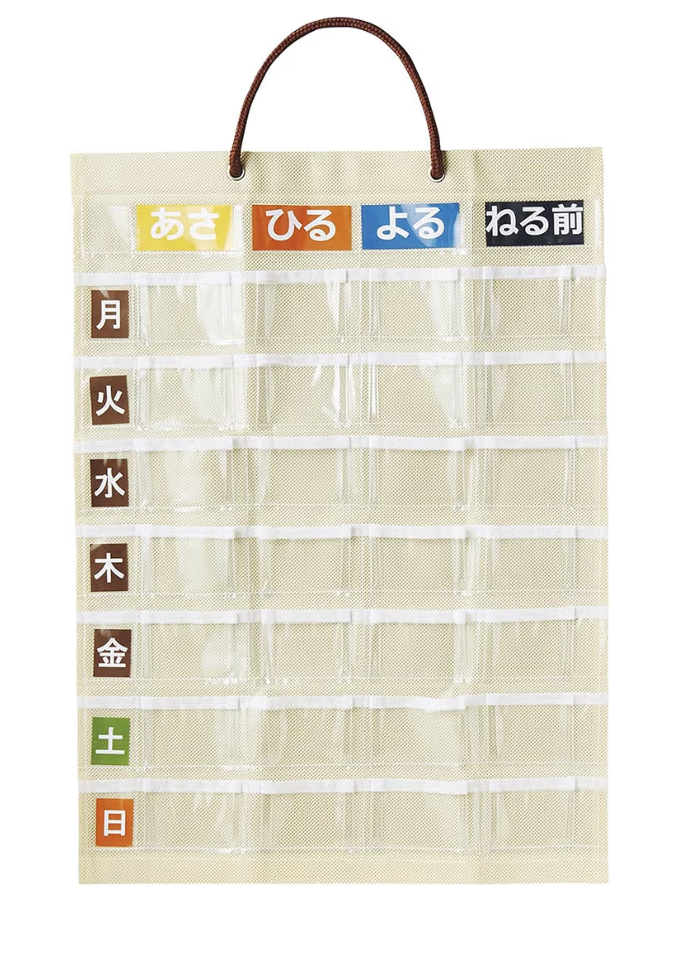
目次
1. What Is “Medication Support” in Home Medical Care?
2. Why Is Medication Support Necessary? — The Background of the Choice “Not to Take”
3. The Importance of Medication Compliance (Adherence)
4. What Is a Medication Calendar? — A Representative Tool for Medication Support
5. The Concrete Benefits of a Medication Calendar
6. The Medication Calendar and the Work of Home-Care Pharmacists
7. Usage and Practical Adjustments
8. Resistance to the Medication Calendar
9. The Essence of Using Medication Calendars in Medication Support
10. Comparison with Technology
11. Responsibility of Home-Care Pharmacists and the Future
12. In Closing — Supporting Patient Dignity Through Medication Support
本稿では、お薬カレンダーの役割と効用、現場での活用方法や患者さま・ご家族への影響について、在宅服薬支援のプロフェッショナルとして詳しく解説します。
⸻
1.在宅医療における薬剤師の「服薬支援」とは何か
在宅医療では、医師による訪問診療と同時に、薬剤師が訪問・相談支援を行っています。
具体的な流れは次の通りです。
・医師が患者さまの症状に応じて処方箋を発行
・薬局で処方登録・調剤・監査を実施
・処方された薬を患者さまのご自宅にお届け
・服薬指導・副作用の説明などを含む支援を提供する
この一連の過程は、どの薬をどの時間に飲むかの説明だけでなく、患者さま一人ひとりの生活状況、認知機能、家族のサポート体制などを把握して進める必要があります。
単に薬を服用するだけでなく、「その人が処方された薬をどう暮らしの中で取り入れていくか」を支えるのが在宅薬剤師の仕事です。
⸻
2.なぜ服薬支援が必要か──「飲まない」という選択の背景
在宅患者さまの中には、処方箋通りに薬を飲まない方が一定数います。これは単なる「忘れ」だけでなく、次のような背景があるからと考えられます。
2-1.意図的な服薬の中断
患者さまの価値判断によって服薬を調整する場合があります。たとえば:
・副作用が不安で減量・中止してしまう
・飲んでも効果が感じられないと中断してしまう
・毎日の服薬が生活の負担になっている
こうした行動の背景には、医学的理解だけでなく、その人の生活歴や価値観、認知機能が影響しています。
飲まないという選択そのものを一方的に否定することはできません。
しかし、その背景に「処方意図を理解していない」という理由が含まれることがあります。
「どうしてこの薬を飲まないといけないのか」
これがわからなければ、治療継続への動機付けは弱いままです。薬剤師はこの点を丁寧に支援していく必要があります。
⸻
3.服薬コンプライアンス(服薬遵守)の重要性
【服薬コンプライアンス】とは、医師の処方どおりに薬を飲むという行動様式のことです。
多剤併用が一般的な高齢者にとって、
・飲み忘れ
・飲む時間のズレ
・1回飲む量の間違い
は重大な治療効果の妨げになります。
特に慢性疾患や抗血栓療法、精神科薬などは、服薬タイミングのズレが臨床的影響をもたらすことがあります。
服薬支援ツールは、この服薬コンプライアンスの改善に寄与する可能性があるとされています。
⸻
4.お薬カレンダーとは──服薬支援ツールの代表例
4-1.お薬カレンダーの構造と基本
お薬カレンダーは、1週間や1か月を単位として、食事のタイミングや服薬時間ごとに区分されたポケットや袋に薬を配分するツールです。
一般的には次のように区分されます:
・朝食後
・昼食後
・夕食後
・就寝前
外用薬(目薬・軟膏など)も小さな袋に入れることで一緒に管理されることが多いです。
⸻
5.お薬カレンダーの具体的な効用
5-1.飲み忘れ防止
曜日・時間ごとの整理により、どの薬をいつ飲むかが視覚的にわかるようになります。
飲んだか飲まないかが一目でわかるという点は、非常に大きな意味を持ちます。
5-2.服薬状況の「見える化」
ポケットに薬が残っているかどうかを見れば、服薬状況は一目瞭然です。
中には他の日付のお薬を飲む方もおられます。お薬は毎日、毎回飲むものですから、多くの人は間違って飲んだり飲まなかったりしてしまうものです。
そのズレを客観的に把握できる点で、お薬カレンダーは有用なツールと言えます。
5-3.ご家族・介護者の安心感
「今朝は薬を飲んだか」「夕食後の薬はどうか」
迷う場面は少なくありません。
誰が見ても服薬状況が分かることにより、ご家族の精神的負担は軽減されます。
⸻
6.お薬カレンダーと在宅薬剤師の支援業務
6-1.セット作業と服薬支援の現場
患者さま「ご自身」が毎週セットすることは少数です。多くはご家族や介護者が行います。
お薬カレンダーは他者的視点で服薬支援を補助するツールと言えます。
在宅薬剤師は訪問時に残薬状況を確認し、飲み残しがあれば理由を伺います。
それが次回治療方針の重要な情報になります。
⸻
7.お薬カレンダーの使い方と工夫
7-1.多剤併用への対応
高齢者は多剤併用となることが多いです。他院処方も含めて一包化し、一元管理することで重複服用のリスクを防ぎます。
お薬カレンダーは、
・飲むべき薬の重複防止
・二重服用リスクの低減
・時間どおりに飲む習慣化
に寄与します。
7-2.外用薬・頓用薬の取り扱い
頓用薬は別袋(薬袋)で管理されることが多いですが、
情報整理の補助として十分機能します。
⸻
8.お薬カレンダーに対する抵抗感
8-1.「監視されている」という感覚
「飲んだ・飲んでいない」が明確に見えることに窮屈さを感じる方もいます。
医療は患者さまの自己決定権を尊重するものです。
薬剤師に強制する権利はありません。
利用の有無は患者さまの選択に委ねられます。
⸻
9.服薬支援としてのお薬カレンダー活用の本質
「お薬カレンダー」は単なる管理道具ではありません。
患者さまの服薬状況と行動を把握し、治療効果を高めるための支援手段です。
服薬支援は次のサイクルで進みます:
1.観察・評価
2.対話・傾聴
3.介入・助言
4.振り返り
この循環を医療チームで共有することで、服薬支援は「薬物治療」としての意味を持ちます。
⸻
10.テクノロジーとの比較
自動服薬支援機やアプリも登場しています。
しかし重要なのは、
「負担なく続けられる支援かどうか」
です。
⸻
11.在宅薬剤師としての責務と未来
服薬支援は薬剤師の義務です。
・より簡便な方法
・別の把握手段
・本人の意思の尊重
多様な対応が必要です。
誠実かつ押し付けない支援が最も重要です。
⸻
12.最後に──患者さまの尊厳を支える服薬支援
在宅医療における服薬支援は、単なる「薬を飲ませる」ことではありません。
患者さまの生活を尊重し、治療を続ける力を引き出すことです。
お薬カレンダーはそのための補助線です。
薬剤師は、患者さまと共に治療を歩み、より良い生活を支える役割を果たしていきます。
ーーーー
I am Kenji Kurihara, a pharmacist engaged in home medical care in Fuji City and Fujinomiya City.
In home medical care settings, physicians, nurses, and care workers collaborate with the goal of enabling each patient to continue treatment safely at home. Within that team, the role of the pharmacist is not simply to “deliver medicine and finish.”
[背景黄色]Through medication support rooted in each patient’s life and values, we aim to maximize the therapeutic effects intended by the prescribing physician.[/背景黄色]
One useful tool for this purpose is [太字]the “medication calendar.”[/太字]
In this article, I will explain in detail the role and effectiveness of medication calendars, how they are used in practice, and their impact on patients and their families—from the perspective of a professional engaged in home-based medication support.
⸻
I am Kenji Kurihara, a pharmacist engaged in home medical care in Fuji City and Fujinomiya City.
In home medical care settings, physicians, nurses, and care workers collaborate with the goal of enabling each patient to continue treatment safely at home. Within that team, the role of the pharmacist is not simply to “deliver medicine and finish.”
Through medication support rooted in each patient’s life and values, we aim to maximize the therapeutic effects intended by the prescribing physician.
One useful tool for this purpose is the “medication calendar.”
In this article, I will explain in detail the role and effectiveness of medication calendars, how they are used in practice, and their impact on patients and their families—from the perspective of a professional engaged in home-based medication support.
⸻
1. What Is “Medication Support” in Home Medical Care?
In home medical care, pharmacists provide home visits and consultation support alongside physicians conducting house calls.
The general workflow is as follows:
• The physician issues a prescription based on the patient’s condition
• The pharmacy performs prescription entry, dispensing, and verification
• The dispensed medications are delivered to the patient’s home
• Medication counseling and explanations of side effects are provided
This process involves more than simply explaining which medicine to take and when. It requires understanding each patient’s living situation, cognitive function, and family support system.
The role of a home-care pharmacist is not merely to ensure medication is taken, but to support how each individual integrates prescribed medicine into daily life.
⸻
2. Why Is Medication Support Necessary? — The Background of the Choice “Not to Take”
Among home-care patients, there are always some who do not take their medication as prescribed. This is not merely a matter of “forgetfulness.” Various factors are involved.
2-1. Intentional Discontinuation of Medication
Patients sometimes adjust or discontinue medication based on their own judgment. For example:
• They reduce or stop medication due to fear of side effects
• They discontinue it because they do not feel its effects
• Daily medication becomes a burden on their life
Such behavior is influenced not only by medical understanding, but also by personal history, values, and cognitive function.
The choice not to take medication cannot simply be denied outright.
However, sometimes the underlying issue is a lack of understanding of the prescribing intent.
“Why do I need to take this medicine?”
If this is unclear, motivation to continue treatment remains weak. Pharmacists must carefully support patients in understanding this point.
⸻
3. The Importance of Medication Compliance (Adherence)
Medication compliance refers to the behavioral pattern of taking medication exactly as prescribed by the physician.
For elderly patients, who commonly take multiple medications, the following can significantly hinder treatment effectiveness:
• Forgetting doses
• Timing deviations
• Incorrect dosage amounts
In chronic illnesses, anticoagulation therapy, and psychiatric treatment, timing discrepancies can have serious clinical consequences.
Medication support tools may contribute to improving medication compliance.
⸻
4. What Is a Medication Calendar? — A Representative Tool for Medication Support
4-1. Structure and Basics of the Medication Calendar
A medication calendar is a tool that organizes medications into pockets or compartments divided by mealtimes or dosing times, typically on a weekly or monthly basis.
Common categories include:
• After breakfast
• After lunch
• After dinner
• Before bedtime
External medications (eye drops, ointments, etc.) are often placed in small pockets together with oral medications.
⸻
5. The Concrete Benefits of a Medication Calendar
5-1. Prevention of Missed Doses
By organizing medication by day and time, patients can visually recognize which medicine to take and when.
Being able to see at a glance whether medication has been taken or not is highly significant.
5-2. Visualization of Medication Status
If medication remains in a pocket, it is clear that it has not been taken.
Some patients take medication from the wrong date. Medication is something taken daily and repeatedly; mistakes are human and common.
The medication calendar allows such discrepancies to be objectively identified.
5-3. Reassurance for Family Members and Caregivers
“Did they take their medicine this morning?”
“What about after dinner?”
Such uncertainties are common.
When anyone can easily confirm medication status, psychological burden on family members is reduced.
⸻
6. The Medication Calendar and the Work of Home-Care Pharmacists
6-1. Setup Work and the Reality of Medication Support
It is relatively rare for patients themselves to set up a full week’s medication each time. In many cases, family members or caregivers perform this task.
The medication calendar functions as a support tool from a third-party perspective.
During visits, pharmacists check remaining medications and ask about any leftover doses.
This becomes critical information for future treatment decisions.
⸻
7. Usage and Practical Adjustments
7-1. Managing Polypharmacy
Elderly patients often receive multiple prescriptions from different institutions. By packaging medications together and managing them centrally, pharmacists can prevent duplicate dosing.
The medication calendar helps with:
• Preventing duplication
• Reducing double-dosing risk
• Encouraging habitual, timely intake
7-2. Handling External and PRN Medications
PRN (as-needed) medications are typically managed separately in medication bags.
Even when full centralization is not possible, the calendar still functions effectively as an information management aid.
⸻
8. Resistance to the Medication Calendar
8-1. The Feeling of “Being Monitored”
Some patients feel discomfort when their intake status is clearly visible.
Medical care must respect patient autonomy.
Pharmacists do not have the authority to force patients to take medication.
Whether to use a medication calendar is ultimately the patient’s decision.
⸻
9. The Essence of Using Medication Calendars in Medication Support
A medication calendar is not merely a management tool.
It is a support method for understanding patient behavior and enhancing therapeutic outcomes.
Medication support follows a cycle:
1.Observation and assessment
2.Dialogue and listening
3.Intervention and advice
4.Reflection
By sharing this cycle within the medical team, medication support transcends simply “getting patients to take medicine” and becomes meaningful pharmacotherapy.
⸻
10. Comparison with Technology
Automatic dispensing machines and apps have emerged.
However, what matters most is:
“Is this support sustainable and not burdensome?”
⸻
11. Responsibility of Home-Care Pharmacists and the Future
Medication support is a pharmacist’s duty.
Different situations may call for:
• Simpler systems
• Alternative monitoring methods
• Prioritizing the patient’s wishes
Sincere, non-coercive support is essential.
⸻
12. In Closing — Supporting Patient Dignity Through Medication Support
Medication support in home medical care is not merely about “making patients take medicine.”
It is about respecting their lives and empowering them to continue treatment.
The medication calendar serves as a guiding line toward that goal.
Through this support, pharmacists walk alongside patients in their treatment journey and help sustain a better quality of life.