

お薬の個人輸入の注意点
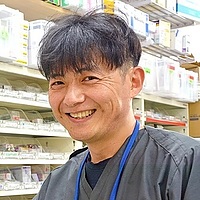
富士市・富士宮市で在宅医療に携わっている薬剤師の栗原憲二です。
今回は、「夜間休日対応」というテーマで、在宅医療を支える薬剤師の働きと、その意義についてまとめてみたいと思います。
日中の薬局業務だけを見ていると、薬剤師の仕事は「処方箋に基づいて薬を調剤し、説明すること」にとどまっているように思われるかもしれません。しかし在宅医療の現場では、時間の制約はありません。患者様の容態は、昼夜を問わず変化します。
その変化にどう向き合うか。
そこにこそ、夜間休日対応を担う薬剤師の役割があります。
────────────────────
目次
■ Fujiyama Pharmacy’s After-Hours System
■ The Practical Flow of Nighttime Response
■ The Reality of the After-Hours Pharmacist
■ Benefits of After-Hours Care (From the Patient’s Perspective)
────────────────────
■ ふじやま薬局の夜間対応体制
ふじやま薬局では、在宅医療において夜間休日対応を行っています。
私は、かかりつけ薬剤師として約30名の患者様を継続的に担当しています。容態が急変したとき、疼痛が強まったとき、発熱が続くとき、感染症が疑われるとき――そうした場面で、医師からの連絡、あるいは患者様やご家族からの相談を受ける体制を整えています。
在宅療養は、病院のようにナースコールがあるわけではありません。だからこそ、電話一本でつながる体制が重要になります。
一般的に、在宅医療を行う薬局は「24時間対応体制加算」や「地域支援体制加算」などの制度に基づき、夜間休日も連絡可能な体制を構築しています。これは単なる制度上の要件ではなく、在宅医療の質を担保するための根幹です。
────────────────────
■ 夜間対応の具体的な流れ
夜間対応は、概ね次のような流れで進みます。
① 往診医師から薬局へ電話
② 薬局の代表番号に入った電話が、当番薬剤師の転送携帯へ接続
③ 医師より患者様の状況説明
④ 処方箋が薬局にFAX送信
⑤ 内容確認・疑義照会(必要時)
⑥ 薬局へ出向き、処方登録・調剤
⑦ 患者様宅へ配薬・服薬指導
発熱、疼痛コントロール、感染症の疑い、呼吸苦、終末期における症状緩和などが多いケースです。
在宅療養中の患者様は、高齢で基礎疾患を複数抱えていることが少なくありません。軽微に見える症状も、背景によっては重篤化する可能性があります。
内服薬や外用薬で対応可能な場合は速やかに調剤し、必要に応じて点滴製剤や麻薬も用意します。一方で、在宅では対応困難と判断される場合には、医師の判断で救急搬送となります。
夜間対応薬剤師は、「自宅での継続療養」と「病院搬送」の間に立ち、医師の治療方針を具体的な薬物療法として実行に移す役割を担っています。
────────────────────
■ 夜間対応薬剤師の現実
夜間対応は、決して容易ではありません。
就寝中であっても、転送携帯が鳴ります。
深夜であれば、身体は休息状態です。そこから起き上がり、状況を把握し、冷静に判断し、準備を整えて薬局へ向かいます。
夜間は基本的に一人対応です。
処方入力、薬剤の選択、監査、分包、ラベル作成――すべてを一人で行います。本来であれば複数人で行うダブルチェックも、夜間は自己監査になります。だからこそ、確認作業は通常以上に慎重に行います。
さらに、夜間対応を担う薬剤師は飲酒ができません。アルコールを摂取していれば、運転も業務も不可能です。日常的に飲酒習慣のある薬剤師にとっては、生活スタイルそのものの調整が求められます。ノンアルコール飲料が欠かせないという現実もあります。
急遽起きて運転するため、交通事故リスクも無視できません。安全運転を徹底しながら、迅速に患者様宅へ向かいます。
訪問後は、医師から事前情報を受けているとはいえ、実際の容態確認は現場で初めて分かることも多いのが実情です。
・呼吸状態
・意識レベル
・疼痛の強さ
・服薬状況
・家族の不安
これらを総合的に把握し、薬剤の説明だけでなく、生活上の注意点や観察ポイントも伝えます。
夜間対応は「薬を届ける」だけではありません。
患者様とご家族の不安を受け止め、次の朝までを支える医療行為でもあります。
────────────────────
■ 夜間対応のメリット(患者様側)
夜間対応体制の最大のメリットは、自宅療養を継続できることです。
在宅医療を選択される方の多くは、「住み慣れた家で過ごしたい」という強い思いを持っています。しかし、症状の急変は避けられません。
そのときに、
・医師が往診できる
・処方薬が自宅で受け取れる
・専門職が夜間でも対応する
という体制があることは、大きな安心につながります。
在宅対応薬局には、約2000種類近い内服薬に加え、注射剤、点滴製剤、医療用麻薬なども備蓄されています。これは、在宅でも病院に近い薬物治療を実施できるようにするためです。
患者様は、体調不良の中で薬局に出向く必要がありません。移動による負担もリスクもありません。
さらに、普段から関わっている担当薬剤師が対応することが多いため、患者様の既往歴、服薬歴、生活環境を踏まえた柔軟な対応が可能です。
これは単なる「利便性」ではなく、医療の質そのものに関わる要素です。
────────────────────
■ 夜間対応薬剤師の存在意義
では、夜間対応を担う薬剤師の存在意義とは何でしょうか。
私は、大きく三つあると考えています。
① 自宅医療の質を病院レベルに近づけること
② 患者様の「場所の尊厳」を守ること
③ 薬物療法の専門家として医療チームを支えること
────────────────────
① 自宅医療の質を高める
在宅医療は、単に病院医療を縮小したものではありません。
医師、訪問看護師、ケアマネジャー、そして薬剤師が連携し、生活の場で医療を実行するシステムです。
薬剤師が夜間も対応することで、薬物療法の遅延を防ぎます。
疼痛コントロールが遅れれば、患者様の苦痛は増大します。
感染症対応が遅れれば、重篤化のリスクが高まります。
夜間対応は、時間的ギャップを埋める医療です。
────────────────────
② 「場所の尊厳」を守る
人は誰しも、思い出の詰まった場所で過ごしたいと願います。
在宅医療は、「生活」と「医療」を同じ空間に置く取り組みです。夜間対応薬剤師の存在は、入院という選択肢を減らし、自宅での療養を可能にします。
慣れ親しんだ部屋。
家族の声。
長年過ごしてきた景色。
それらを守るための裏方として、夜間対応薬剤師は機能しています。
────────────────────
③ 医療チームの中の専門家
医師が診断し、治療方針を決める。
しかしその治療が具体的に「薬」という形になるとき、薬剤師の専門性が不可欠です。
・薬物相互作用の確認
・腎機能や肝機能を踏まえた投与量設計
・服薬コンプライアンスの評価
・副作用リスクの予測
夜間であっても、その質を落とすわけにはいきません。
在宅医療の質は、チーム医療の質に比例します。
夜間対応薬剤師は、その一角を担っています。
────────────────────
■ 課題と今後
一方で、夜間対応には課題もあります。
・人材不足
・負担の偏り
・報酬制度の妥当性
・安全管理体制
全国的にも、薬剤師不足が問題視されています。地域偏在があり、在宅医療を担う薬剤師の確保は今後の大きなテーマです。
夜間対応は「献身」だけでは持続しません。制度設計、チーム内での役割分担、DXの活用(電子処方箋、遠隔服薬指導、在庫管理システムなど)によって、持続可能な体制を構築していく必要があります。
────────────────────
■ 最後に
夜間休日対応は、目立つ仕事ではありません。
深夜に薬局の灯りがついていることを、誰も知らないかもしれません。
それでも、電話の向こうで不安を抱える患者様がいる限り、その灯りは消せません。
在宅医療とは、「生活を守る医療」です。
夜間対応薬剤師は、その生活の連続性を守る存在です。
病院のような設備はありません。
しかし、専門知識と責任感、そして患者様への思いがあります。
夜間に鳴る一本の電話。
それは、信頼の証でもあります。
これからも、地域で療養される患者様とご家族が、安心して夜を過ごせるように。
夜間対応薬剤師としての責務を、静かに果たしていきたいと思います。
Fuji City / Fujinomiya City-based home care pharmacist Kenji Kurihara here.
This time, I would like to reflect on the work and significance of pharmacists who provide “after-hours and holiday coverage” in home medical care.
If we look only at daytime pharmacy operations, the pharmacist’s role may appear limited to dispensing medications based on prescriptions and providing explanations. However, in the field of home medical care, there are no time constraints. A patient’s condition can change at any hour—day or night.
How do we respond to those changes?
It is precisely here that the role of the after-hours pharmacist emerges.
────────────────────
[[Table of Contents]]
────────────────────
■ Fujiyama Pharmacy’s After-Hours System
At Fujiyama Pharmacy, we maintain an after-hours and holiday response system for home medical care.
As a primary-care pharmacist, I continuously oversee approximately 30 patients. When a patient’s condition suddenly deteriorates—when pain intensifies, when fever persists, when infection is suspected—we have a system in place to respond to calls from physicians or consultations from patients and their families.
Unlike hospitals, home care settings do not have nurse call buttons. That is why a system in which patients can reach us with a single phone call is so essential.
In Japan, pharmacies that provide home medical services generally establish round-the-clock accessibility under frameworks such as the “24-hour Response System Add-on” or “Community Support System Add-on.” This is not merely a reimbursement requirement; it forms the backbone of quality home care.
────────────────────
■ The Practical Flow of Nighttime Response
After-hours response typically proceeds as follows:
1.The visiting physician calls the pharmacy.
2.The call to the main pharmacy number is forwarded to the on-duty pharmacist’s mobile phone.
3.The physician explains the patient’s condition.
4.The prescription is sent to the pharmacy by fax.
5.The pharmacist reviews the contents and makes inquiries if necessary.
6.The pharmacist goes to the pharmacy, registers the prescription, and dispenses the medication.
7.The medication is delivered to the patient’s home with counseling provided.
Common situations include fever, pain management, suspected infection, respiratory distress, and symptom relief in terminal care.
Many home-care patients are elderly and have multiple underlying conditions. Even seemingly minor symptoms may escalate depending on the clinical background.
If oral or topical medications suffice, we dispense promptly. When needed, we prepare intravenous medications or narcotics. If the situation cannot be managed at home, the physician may decide on emergency hospitalization.
The after-hours pharmacist stands between continued home care and hospital transfer, translating the physician’s treatment plan into concrete pharmacotherapy.
────────────────────
■ The Reality of the After-Hours Pharmacist
Nighttime response is not easy.
Even during sleep, the forwarded phone may ring.
In the middle of the night, the body is in a resting state. From there, one must awaken, assess the situation calmly, prepare, and head to the pharmacy.
At night, operations are typically handled alone.
Prescription entry, drug selection, verification, packaging, labeling—everything must be done independently. What would normally involve a double-check by multiple staff members becomes self-verification. Therefore, confirmation procedures must be even more meticulous than usual.
Furthermore, the on-duty pharmacist cannot consume alcohol. If alcohol has been ingested, driving and professional duties are impossible. For pharmacists accustomed to occasional drinking, lifestyle adjustments are required. Non-alcoholic beverages become essential.
Because we must drive shortly after waking, road safety risks cannot be ignored. We proceed cautiously yet swiftly to the patient’s home.
Upon arrival, although we receive prior information from the physician, the true clinical picture often becomes clear only at the scene.
• Respiratory status
• Level of consciousness
• Severity of pain
• Medication adherence
• Family anxiety
We assess these comprehensively and provide not only medication counseling but also guidance on observation points and daily precautions.
After-hours care is not merely about delivering medication.
It is also a medical act that absorbs patient and family anxiety and supports them until morning.
────────────────────
■ Benefits of After-Hours Care (From the Patient’s Perspective)
The greatest benefit is the ability to continue care at home.
Many patients who choose home medical care strongly wish to remain in familiar surroundings. Yet sudden deterioration cannot always be avoided.
In such moments, the availability of:
• A physician who can make home visits
• Prescribed medications delivered directly to the home
• Healthcare professionals who respond even at night
provides immense reassurance.
Home-care pharmacies maintain stock of approximately 2,000 oral medications, along with injectable drugs, infusion solutions, and medical narcotics. This allows pharmacological treatment close to hospital standards.
Patients do not need to travel to a pharmacy while unwell. They avoid both the burden and risks of transportation.
Moreover, because the pharmacist responding is usually the same professional involved in daily care, responses can be tailored based on knowledge of the patient’s history, medication profile, and living environment.
This is not merely convenience; it directly relates to the quality of medical care itself.
────────────────────
■ The Significance of the After-Hours Pharmacist
What, then, is the deeper significance of this role?
I believe there are three primary dimensions:
1.Bringing home medical care closer to hospital-level quality
2.Protecting the “dignity of place” for patients
3.Supporting the medical team as pharmacotherapy specialists
────────────────────
1. Enhancing the Quality of Home Care
Home medical care is not simply a scaled-down version of hospital medicine.
It is a coordinated system in which physicians, visiting nurses, care managers, and pharmacists deliver medical services within the patient’s living environment.
By responding at night, pharmacists prevent delays in pharmacotherapy.
Delayed pain control increases suffering.
Delayed infection treatment increases risk of severe progression.
After-hours response is medical care that bridges temporal gaps.
────────────────────
2. Protecting the “Dignity of Place”
Every person wishes to remain in a place filled with memories.
Home care integrates life and medicine within the same space. The presence of an after-hours pharmacist reduces the need for hospitalization and supports continued home treatment.
A familiar room.
The voices of family.
The scenery of many years.
We function quietly in the background to help preserve these elements.
────────────────────
3. A Specialist Within the Medical Team
Physicians diagnose and determine treatment policy.
But when that treatment takes the form of medication, pharmaceutical expertise becomes indispensable.
• Reviewing drug interactions
• Adjusting doses based on renal or hepatic function
• Evaluating adherence
• Predicting adverse effects
Even at night, quality cannot be compromised.
The quality of home care is proportional to the quality of team-based medicine.
After-hours pharmacists occupy one essential pillar of that structure.
────────────────────
■ Challenges and the Future
There are, of course, challenges:
• Workforce shortages
• Uneven burden distribution
• Adequacy of reimbursement systems
• Safety management
Pharmacist shortages and regional disparities are widely recognized issues in Japan. Securing pharmacists capable of supporting home care will remain a significant challenge.
After-hours care cannot rely on dedication alone. Sustainable systems must incorporate institutional design, team-based role sharing, and digital transformation—such as electronic prescriptions, remote counseling, and advanced inventory management.
────────────────────
■ In Closing
After-hours and holiday response is not glamorous work.
Few may notice the lights on in a pharmacy at midnight.
Yet as long as someone on the other end of the phone feels anxious, those lights must remain on.
Home medical care is “medicine that protects daily life.”
The after-hours pharmacist protects the continuity of that life.
We do not have hospital-scale facilities.
But we possess expertise, responsibility, and commitment to our patients.
A single phone call in the night—
it is also a testament to trust.
So that patients and their families in our community may rest with reassurance,
I will continue to fulfill the responsibilities of an after-hours pharmacist—quietly, steadily, and faithfully.