

全国どこの処方箋でも受け付けますって言いますが、実際のところはどうなの
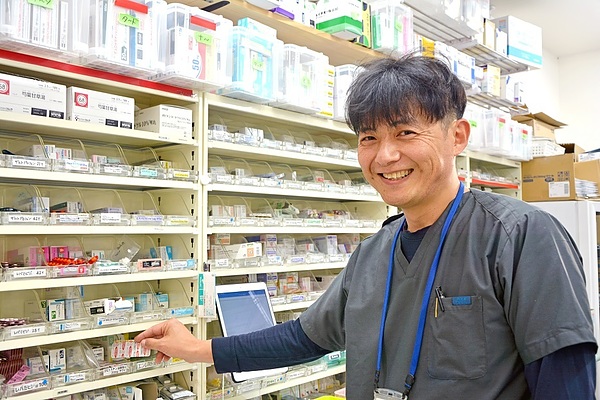
富士市・富士宮市で在宅医療に携わっている薬剤師の栗原憲二です。
在宅医療の現場にいると、「眠れない」というご相談は、想像以上に多く寄せられます。
高齢の方だけではありません。働き盛りの世代、子育て世代、介護を担うご家族――それぞれの立場で、睡眠に悩みを抱えておられます。
今回は、薬剤師としての立場から、できるだけ整理された形で「睡眠」についてまとめてみたいと思います。
特定の方法を押しつけるのではなく、皆様がご自身の生活に照らし合わせながら考えていただける内容を目指します。
──────────────────────────
目次
1.Does a “Definitive” Sleep Method Exist?
2.The First Thing to Adjust: Daily Rhythm
3.Sleep Duration and Sleep Satisfaction Are Different
4.Three Major Causes of Insomnia
5.The Option of Sleeping Medication
──────────────────────────
1.「これが決定打」という睡眠法は存在するのか?
まず大前提としてお伝えしたいことがあります。
睡眠に関しては、「これさえやれば必ず改善する」という決定打は存在しません。
現代は、
・睡眠の質を高めるとされるサプリメント
・GABA、グリシン、テアニンなどの栄養素
・メラトニン関連製品
・快眠グッズ
・アプリによる睡眠分析
など、多種多様な選択肢があります。
確かに一部の成分には一定のエビデンスがあります。しかし、どれも「万人に劇的に効く」わけではありません。
ここで重要なのがプラセボ効果です。
「効く」と思って服用した場合、実際に体感的な改善が起こることは医学的にも知られています。
そしてそれは決して“偽物”の効果ではありません。
もしご本人が納得し、「これで眠れる」と実感しているなら、それを継続することは合理的です。
──────────────────────────
2.まず整えるべきは「生活リズム」
薬に頼る前に、必ず整えてほしい基本があります。
① 入浴
寝る1〜2時間前に38〜40℃程度のぬるま湯にゆっくり浸かる。
深部体温が一度上がり、その後下がる過程で自然な眠気が起こります。
② 夜間照明
夜は間接照明へ。
ブルーライトはメラトニン分泌を抑制します。
③ 朝の行動
目覚めたら布団の中でだらだら過ごさない。
「パッと立ち上がる」ことが重要です。
④ 日光を浴びる
起床後30分以内に太陽光を浴びることで体内時計がリセットされます。
⑤ 運動
「睡眠には体力が必要」と言われます。
有酸素運動やレジスタンス運動は睡眠の質改善に寄与する報告があります。
──────────────────────────
3.睡眠は「量」と「満足感」が別問題
ここはとても重要です。
・実際の睡眠時間
・主観的満足感
この二つは一致しないことがあります。
「7時間寝た=満足できる」わけではありません。
人間の体内時計は約24時間よりやや長いことが知られています。
したがって、
「完璧な睡眠満足」を常に求めること自体が、ストレスになることもあります。
──────────────────────────
4.不眠の三分類
① 精神的要因
不安、抑うつ、心配事など。
疾患レベルであれば医師への相談が第一選択です。
しかし疾患でない場合、それは睡眠の問題というよりも、
「人生の課題」である可能性もあります。
痛みを知るからこそ、他者の痛みにも共感できる。
その視点は、在宅医療の現場で強く感じています。
② 身体的要因
慢性疼痛、夜間頻尿、呼吸器疾患、睡眠時無呼吸症候群など。
原因疾患の治療が最優先です。
運動療法は自律神経調整や疼痛軽減に有効とされています。
③ 環境要因
騒音、光、家族構成、介護負担など。
一人で抱え込まないことが重要です。
人に相談することで、思わぬ解決策が見つかることがあります。
──────────────────────────
5.睡眠薬という選択肢
睡眠薬は「悪」ではありません。
適切に使えば、生活の立て直しに役立ちます。
主な種類
① 入眠困難に対する短時間型
② 一般的な睡眠薬(GABA系)
③ オレキシン受容体拮抗薬
④ メラトニン受容体作動薬
⑤ 抗不安薬の併用
用法用量は必ず医師と相談して決めることが大切です。
──────────────────────────
6.依存を避けるために
長期連用により、
・耐性
・心理的依存
・量の増加
が問題になることがあります。
目標は「薬に頼らなくても眠れる状態」に回復することです。
──────────────────────────
7.自分の“型”を守ること
もし現在、
・日中活動できている
・生活に支障がない
・主観的に納得している
のであれば、
その生活習慣を守ることが最優先です。
万人に通用する正解はありません。
──────────────────────────
8.最後に
睡眠は、
・体の回復
・記憶の整理
・感情の調整
・免疫機能の維持
に深く関わっています。
しかし同時に、
睡眠は人生そのものと結びついています。
眠れない夜は、人生のどこかが揺れているサインかもしれません。
薬剤師としてお伝えできることは、
・整える
・観察する
・必要なら医療を使う
・そして生活を取り戻す
ということです。
睡眠は「コントロールするもの」ではなく、「整えて迎え入れるもの」なのかもしれません。
富士市・富士宮市で在宅医療に携わる中で、私はそう感じています。
皆様がご自身に合った“眠り方”を見つけられることを願っています。
I am Kenji Kurihara, a pharmacist engaged in home medical care in Fuji City and Fujinomiya City.
In the field of home medical care, consultations about “not being able to sleep” are far more common than one might imagine.
And this is not limited to elderly patients. Working-age adults, parents raising children, and family members providing caregiving—people in every stage of life struggle with sleep.
Today, from the perspective of a pharmacist, I would like to organize my thoughts on “sleep” in a structured manner.
Rather than prescribing a single method, I hope this article will help you reflect on your own lifestyle and consider what may be suitable for you.
──────────────────────────
1.Does a “Definitive” Sleep Method Exist?
2.The First Thing to Adjust: Daily Rhythm
3.Sleep Duration and Sleep Satisfaction Are Different
4.Three Major Causes of Insomnia
5.The Option of Sleeping Medication
6.Avoiding Dependence
7.Preserving Your Own “Pattern”
8.Final Thoughts
──────────────────────────
1.Does a “Definitive” Sleep Method Exist?
First, there is an important premise I would like to clarify.
There is no single method that guarantees improvement in sleep for everyone.
Today, we are surrounded by:
• Supplements said to improve sleep quality
• Nutrients such as GABA, glycine, and theanine
• Melatonin-related products
• Sleep-enhancing devices
• Sleep analysis apps
Some of these ingredients do have a certain level of scientific evidence. However, none of them work dramatically for everyone.
This is where the concept of the placebo effect becomes important.
When a person believes something will work, subjective improvement can indeed occur—and this is medically recognized.
This is not a “fake” effect. It is a genuine physiological response involving the brain and autonomic nervous system.
If you are personally convinced and feel that “this helps me sleep,” then continuing that method is entirely reasonable.
──────────────────────────
2.The First Thing to Adjust: Daily Rhythm
Before relying on medication, certain fundamentals should be addressed.
① Bathing
Soaking in lukewarm water (38–40°C / 100–104°F) one to two hours before bedtime is beneficial.
Core body temperature rises and then gradually falls, naturally inducing sleepiness.
② Evening Lighting
Switch to indirect lighting at night.
Blue light suppresses melatonin secretion.
③ Morning Behavior
Do not remain in bed after waking.
Getting up promptly is important.
④ Sunlight Exposure
Exposing yourself to sunlight within 30 minutes of waking helps reset the internal clock.
⑤ Exercise
“Sleep requires physical strength.”
Research suggests that both aerobic and resistance exercise contribute to improved sleep quality.
──────────────────────────
3.Sleep Duration and Sleep Satisfaction Are Different
This is a very important point.
• Actual sleep duration
• Subjective satisfaction
These two do not always match.
Seven hours of sleep does not automatically mean you will feel satisfied.
The human circadian rhythm is slightly longer than 24 hours.
Therefore,
Constantly seeking “perfect sleep satisfaction” may itself become a source of stress.
──────────────────────────
4.Three Major Causes of Insomnia
① Psychological Factors
Anxiety, depression, worries about the future.
If these reach a clinical level, consulting a physician should be the first choice.
However, if they do not constitute a disorder, the issue may not be merely about sleep.
It may instead reflect a life challenge.
Through experiencing pain, we gain the ability to empathize with others.
This is something I frequently observe in home medical care.
② Physical Factors
Chronic pain, nocturia, respiratory disorders, sleep apnea, and others.
Treating the underlying condition is the priority.
Exercise is known to regulate the autonomic nervous system and reduce chronic pain.
③ Environmental Factors
Noise, lighting, family structure, caregiving burdens.
Do not attempt to handle everything alone.
Consulting others may reveal unexpected solutions.
──────────────────────────
5.The Option of Sleeping Medication
Sleeping medication is not inherently “bad.”
When used appropriately, it can help rebuild daily life.
Main Types
① Short-acting agents for difficulty falling asleep
② Conventional GABA-based hypnotics
③ Orexin receptor antagonists
④ Melatonin receptor agonists
⑤ Anti-anxiety medications used adjunctively
Dosage and usage must always be determined in consultation with a physician.
──────────────────────────
6.Avoiding Dependence
With long-term use:
• Tolerance may develop
• Psychological dependence may occur
• Dosage may gradually increase
The goal is to recover to a state where medication is no longer necessary.
──────────────────────────
7.Preserving Your Own “Pattern”
If currently:
• You are functioning during the day
• Your life is not disrupted
• You are subjectively satisfied
Then,
Maintaining your current lifestyle habits should be your priority.
There is no universal solution that applies to everyone.
──────────────────────────
8.Final Thoughts
Sleep is deeply connected to:
• Physical recovery
• Memory consolidation
• Emotional regulation
• Immune function
At the same time,
Sleep is closely intertwined with life itself.
A sleepless night may signal that something in life is unsettled.
As a pharmacist, what I can offer is this:
• Adjust your environment
• Observe carefully
• Use medical care when necessary
• Ultimately, regain your daily rhythm
Sleep may not be something to “control,” but something to prepare for and gently welcome.
Through my work in home medical care in Fuji City and Fujinomiya City, this is what I have come to feel.
I sincerely hope you will find a way of sleeping that suits you personally.