

在宅医療における「お薬カレンダー」──薬剤師が取り組む服薬支援の優れ物
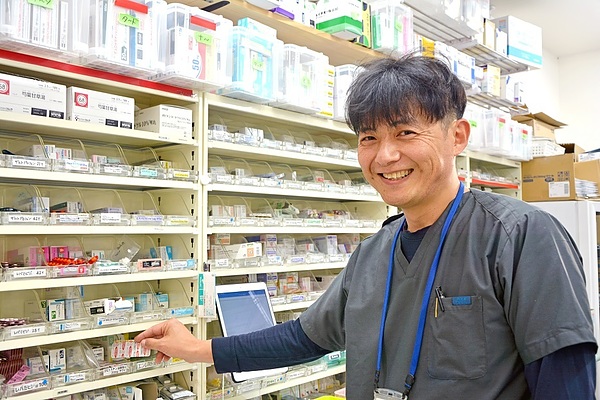
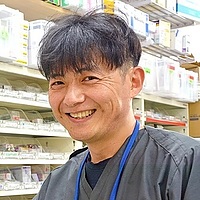
富士市・富士宮市で在宅医療に携わっている薬剤師の栗原憲二です。
目次
A Pharmacist’s Work Has a “Two-Layer Structure”
Expertise in Handling “The Medicine Itself”
The Often-Overlooked World of “The Surroundings of Medicine”
Medication Guidance Does Not End with “Explanation”
Communication Is Part of the “Surroundings”
A Pharmacist’s Work Is Never Completed Alone
The Goal of a Pharmacist Is Not “To Make Patients Take Medicine”
薬剤師の仕事というと、多くの方は「お薬を用意する人」「処方箋どおりに薬を渡す専門職」というイメージをお持ちかもしれません。
確かにそれは、薬剤師の大切な役割の一部です。
ただ、日々の現場に身を置いていると、次第にこうした問いが浮かんできます。
薬剤師は、本当に「お薬」だけを見ていればよいのだろうか。
⸻
薬剤師の働きは「二層構造」で成り立っている
私自身、薬剤師の仕事は大きく二つに分けて捉えると、理解しやすくなると感じています。
ひとつは、
「お薬そのもの」についての専門性
もうひとつは、
「お薬の周辺」に関わる専門性です。
この二つは、どちらが欠けても成立しません。
そして近年、特に重要性が高まっているのが、後者の「周辺」の領域です。
⸻
「お薬そのもの」を扱う専門性
成分と作用を正確に読み取る力
「お薬そのもの」とは、有効成分が体のどこに、どのように作用するのかを理解することから始まります。
・用量・用法の妥当性
・年齢や腎機能、肝機能への配慮
・併用薬による相互作用
・副作用のリスク評価
これらを総合的に判断し、薬学的に患者様の服用を管理していくことは、薬剤師の中核となる専門性です。
服用後の変化を追い続ける
服薬は「渡して終わり」ではありません。
服用後の体調変化や副作用の有無、効果の実感を確認し、必要に応じて医師に情報提供や処方提案を行います。
これは、薬剤師でなければ担えない重要な役割です。
⸻
見落とされやすい「お薬の周辺」という世界
お薬は生活の中で使われる
どれほど理論的に優れたお薬であっても、生活実態に合っていなければ治療は成立しません。
・飲み忘れが多い
・服用タイミングが生活リズムと合わない
・理解が追いついていない
こうした状況は、処方箋だけを見ていては分からないことがほとんどです。
「周辺」に含まれる要素
私が考える「お薬の周辺」には、次のような要素が含まれます。
・生活習慣(食事・睡眠・活動量)
・生活環境(独居か同居か、介護体制)
・認知機能や理解力
・経済状況、施設費用
・家族関係や人間関係
これらはすべて、服薬の成否に直結します。
⸻
服薬指導は「説明」で終わらない
生活に落とし込めてこそ意味がある
服薬指導は、薬の説明をすることではありません。
その方の生活の中で、
・いつ
・どこで
・どのような状態で
お薬が使われるのかを一緒に考えることが重要です。
在宅医療の現場では、薬が山積みになった食卓や、飲み忘れを責める家族と萎縮する患者様に出会うこともあります。
そうした現実を踏まえた支援こそが、薬剤師に求められています。
⸻
「周辺」にはコミュニケーションが含まれている
知識は関係性の中で生きる
どれほど知識があっても、患者様との人間関係が良好でなければ、その知識は十分に生かされません。
信頼関係がなければ、
・実は飲めていない
・副作用がつらい
・不安に思っている
といった大切な情報は語られません。
薬剤師の専門性は、人との関係性の中で初めて機能する
私はそう感じています。
⸻
薬剤師の仕事は一人で完結しない
情報共有の重要性
在宅医療では、夜間や休日に別の薬剤師が対応することも珍しくありません。
そのため、情報共有は不可欠です。
薬歴は単なる記録ではなく、次に関わる薬剤師への「手紙」です。
患者様の状態、生活背景、注意点を共有しておくことで、いざという時に確かな対応が可能になります。
⸻
薬剤師のゴールは「薬を飲ませること」ではない
薬物治療を俯瞰して見る視点
薬剤師の仕事は、患者様にお薬を飲ませ続けることではありません。
お薬はあくまで治療手段であり、目標は良好な健康状態を保つことです。
副作用は避けられません。
もしメリットよりデメリットが上回ると判断される場合には、処方中止や減量を医師に提案することも重要な役割です。
⸻
お薬と、その周辺を見つめ続ける
お薬は単独では存在せず、必ず人の生活の中にあります。
成分だけでなく、生活を、関係を、時間の流れを見つめること。
それが、これからの薬剤師に求められる姿なのだと、日々の現場から感じています。
⸻
Medicines and Their Surroundings
— How Far Does a Pharmacist’s Responsibility Extend? —
My name is Kenji Kurihara, a pharmacist engaged in home medical care in Fuji City and Fujinomiya City.
When people think of a pharmacist’s work, many may imagine someone who prepares medications or dispenses drugs according to prescriptions.
Certainly, that is one important part of our role.
However, as I stand in the field each day, I increasingly find myself asking:
Is it truly enough for pharmacists to focus only on the medicine itself?
⸻
A Pharmacist’s Work Has a “Two-Layer Structure”
I find it helpful to understand the pharmacist’s role as consisting of two major layers.
One is
expertise concerning the medicine itself.
The other is
expertise concerning the surroundings of the medicine.
Neither layer can function properly without the other.
In recent years especially, the importance of the latter—the “surroundings”—has continued to grow.
⸻
Expertise in Handling “The Medicine Itself”
The Ability to Accurately Interpret Components and Effects
Understanding “the medicine itself” begins with knowing how its active ingredients act within the body.
•The appropriateness of dosage and administration
•Consideration of age, renal function, and hepatic function
•Potential drug interactions
•Risk assessment of side effects
To integrate all of these factors and manage a patient’s medication scientifically is central to the pharmacist’s professional expertise.
Continuously Monitoring Changes After Administration
Medication is not complete once it has been handed over.
We must confirm physical changes after administration, the presence or absence of side effects, and whether the patient feels the intended effect.
When necessary, we provide information to physicians or propose prescription adjustments.
This is a vital responsibility that only pharmacists are qualified to fulfill.
⸻
The Often-Overlooked World of “The Surroundings of Medicine”
Medicine Is Used Within Daily Life
No matter how theoretically excellent a medicine may be, treatment cannot succeed if it does not fit the patient’s real-life circumstances.
•Frequent missed doses
•Timing that does not align with daily routines
•Insufficient understanding
These situations cannot be fully understood by looking at a prescription alone.
Elements Included in the “Surroundings”
What I consider to be the “surroundings of medicine” includes:
•Lifestyle habits (diet, sleep, activity level)
•Living environment (living alone or with family, caregiving system)
•Cognitive function and comprehension ability
•Financial situation and facility expenses
•Family relationships and interpersonal dynamics
All of these directly influence whether medication therapy succeeds or fails.
⸻
Medication Guidance Does Not End with “Explanation”
Meaning Emerges Only When It Fits into Daily Life
Medication counseling is not merely explaining how a drug works.
What matters is considering together:
•When
•Where
•Under what conditions
the medicine will actually be taken in that person’s life.
In home medical care, we sometimes encounter dining tables piled high with unused medications, or situations where family members criticize patients for forgetting doses while the patient becomes withdrawn.
Support that acknowledges these realities is what pharmacists are truly called to provide.
⸻
Communication Is Part of the “Surroundings”
Knowledge Comes Alive Within Relationships
No matter how much knowledge we possess, it cannot be fully utilized without a good relationship with the patient.
Without trust:
•“Actually, I haven’t been taking it.”
•“The side effects are difficult.”
•“I feel anxious about this.”
Such crucial information will not be shared.
A pharmacist’s expertise functions fully only within the context of human relationships.
That is what I have come to feel through experience.
⸻
A Pharmacist’s Work Is Never Completed Alone
The Importance of Information Sharing
In home medical care, it is not unusual for another pharmacist to respond during nighttime or holidays.
For this reason, information sharing is indispensable.
Medication records are not merely documentation; they are a “letter” to the next pharmacist involved.
By sharing the patient’s condition, lifestyle background, and points of caution, we enable reliable responses when urgent situations arise.
⸻
The Goal of a Pharmacist Is Not “To Make Patients Take Medicine”
Viewing Pharmacotherapy from a Broader Perspective
A pharmacist’s job is not to ensure that patients continue taking medicine indefinitely.
Medicine is merely a therapeutic means, and the ultimate goal is to maintain a good state of health.
Side effects are unavoidable.
If the disadvantages outweigh the benefits, proposing discontinuation or dose reduction to the physician becomes an essential responsibility.
⸻
Continuing to Observe Medicines and Their Surroundings
Medicines do not exist in isolation; they are always embedded in a person’s life.
Looking not only at chemical components, but also at lifestyle, relationships, and the flow of time—
that, I believe, is the posture required of pharmacists in the years ahead.