

ふじやま薬局公式キャラクターお名前募集キャンペーンのお知らせ
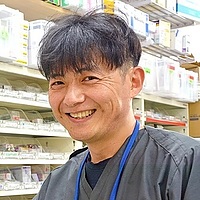
富士市富士宮市にて在宅医療に携わっている薬剤師の栗原です。
今日は、わたしが普段から気をつけている患者様とのコミュニケーションについて書きたいと思います。
どんなに薬学的な見識があっても、どんなに献身的に仕事をしていても、それが実際に患者様との関係において機能していることが大切です。
ところがそういったことは、大学の薬学部の教育では決して十分とは言えません。
以下はわたしが現場で薬剤師としてフル回転しつつ、本や経験を通して受け取ってきたコミュニケーションについての学びをまとめてみたいと思います。
目次
① What is the purpose of conversation?
② How do we make use of what’s said in conversation?
──────────────────────────
①会話の目的は?
──────────────────────────
ー世間話そのものではない
世間話は目的ではなく、信頼形成のための“入口”となる。
薬剤師が行う世間話は、単なる雑談ではなく、服薬指導を成功させるための重要な前工程です。
患者様と薬剤師の関係の土台には、「処方箋」の存在があることは確かです。患者様が処方箋をお持ちにならなければ、そもそも患者様と薬剤師は知り合いにはなれません。
だけどそれをきっかけとして、人として患者様に関わっていこうという気持ちを抱くことで、より適切な服薬指導の環境を作り出すことができます。
患者様の趣味を知る機会があれば、その人の感性に触れることが出来ます。感性を通しても人は人と関わります。相手の感性を理解することで、コミュニケーションを豊かにすることが出来ると言えます。
世間話をすることで、何かあった時に薬剤師に話をしやすい関係性を作り出すことが大切です。忙しい時間帯に来られる患者様であっても、相手の顔や個性を把握して会話をすることで、豊かなコミュニケーションを取ることは可能です。つまり「気心の知れた関係」を作り出すことがとても大切です。
⸻
ー世間話は会話の土台作り
雑談は、患者様が「本音を話せる状態」になるための準備です。
医療不信のある患者様でも、雑談を通じて心を開き、必要な情報を引き出せるようになります。
世間話をするということは、相手が話し出す色々なチャネルを開くことに繋がります。
患者様の中には、医療や医療機関に対する疑念から、あまり会話をしたがらない人もいます。それだと、コミュニケーション不全が起こり、それが医療ミスを生み出す要因ともなります。現場に携わる薬剤師として、コミュニケーションを取ろうとしない患者様との関係は、常に頭を悩ませる課題です。
人と人との関係を生きたものとすることでこそ、思わぬ医療事故を防ぐことも出来るのです。
薬剤師が持つ“人としての感性”こそ、服薬指導の質を左右する。
AIでは拾いきれない、表情・気分・気遣いの変化を感じ取れるのが人間の薬剤師のストロングポイントです。
⸻
ー本題にいかに上手く入るかに気をつける
雑談からいかに“医療の本題”へ自然に移行できるかが、薬剤師の技量を現します。
世間話は目的ではなく、本題へ入るための滑走路の役割を果たします。
世間話を通して患者様の体調・機嫌・心の余裕を把握しつつ、どのタイミングで医療的な話題に入るかを見極める必要があります。
⸻
ー患者様の「気掛かり」を上手く口にしていただく
会話を重ねることで、患者様自身が懸念出して覚えていた事柄が引き出されることも少なくありません。
会話における薬剤師の役割は、質問を待つのではなく「気掛かりを思い出してもらう環境」をつくることです。
⸻
ー処方内容から容態の変化を読み取る
患者様が持って来られる処方箋に、もしも前回と比較して変更があるとしたら、薬剤師は特にこそに注意を向けます。
薬剤師は処方内容から何が起きたかを読み解き、会話のきっかけにする必要があります。
⸻
ー顔色・歩き方・声色から体調を察する
薬局における薬剤師と患者様との会話は、しばしば短い時間にやり取りされるものですが、薬剤師はその短いやりとりを通して、患者様の変化に耳を傾けます。
経験値豊かな薬剤師は、“数秒の接触”から患者様の状態を把握することが出来るものです。
現状、調剤薬局ではマスクや空間的な制限がある中でも、患者様の歩き方・声色の変化などを通して薬剤師は患者様の体調の変化を捉えようとするのです。言語的なコミュニケーション以外にも、多くの情報を集めることが必要とされているのです。
⸻
②どのように会話の内容を生かすか?
ーお薬がどのように体に働くのかを簡単にお伝えして患者様の安心を得る
能力のある薬剤師は、お薬の働きを患者様の理解度に合わせてお伝えすることが出来るものです。
薬剤師はお薬の専門家です。だから薬剤師が患者様に提供できる最も価値のある情報は、お薬についての情報です。
単にそのお薬についての一辺倒な情報ではありません。患者様の理解力や関心に、それらの情報をカスタマイズして提供するのです。
その際、大切な情報でも、大胆にカットして情報を提供することもあります。他の人には価値あるものでも、人によってはその情報が、心配や迷いを与えてしまうことがあるためです。
その辺の判断は、患者様の理解力や関心度合いを総合的に判断して行うことになります。
お薬は、体の中に入ってこそその働きを発揮するものです。大切なことは、それがどのように働くのかを弁えておくことです。それを理解するために薬剤師は薬物動態学という、薬学部特有の領域を学びます。これは医師があまり立ち入らない領域のため、薬剤師が特に力を発揮することのできる領域です。
この点をわかりやすい形で患者様にお伝えすると、とても喜ばれます。
「どう効いて、どう体から抜けるか」が理解できると、患者様は安心して薬を受け入れます。
⸻
ー患者様によっては詳しく知りたい人と、医師や薬剤師に任せる強い傾向のある人との違いがあるのでそれを見極める
患者様の「情報の好み」を誤ると、信頼は一瞬で揺らぐ。
患者様の反応・言葉・態度から“知りたがりタイプ”か“任せたいタイプ”かを瞬時に見極めることが重要です。
患者様によって、自分でお薬のことについて可能な限り把握したいと思う人と、医師や薬剤師に任せる傾向のある方との違いがあります。
患者様がどちらに該当するのかを薬剤師が間違って判断すると大変です。途端に薬剤師に対する信頼感は失われてしまうことになるのです。些細な言葉のやり取り、反応の仕方、目の動きや態度などで判断しなければなりません。
⸻
ー大切なことは、会話の内容を次回以降の服薬指導に活かすこと。
薬歴は“単なる記録”ではなく、未来のコミュニケーションをつくる道具です。
患者様の「言葉」をそのまま残すことで、次回以降の診察・服薬指導が驚くほど滑らかになります。
薬歴に会話の内容を、その時の情景が浮かび上がるように記載することが有効です。
具体的な情景を思い起こすことのできる患者様の「言葉」を、可能な限りそのまま「主訴」に記載するのです。
言葉は一面的ではなく、いろいろな意味を担うものでもあります。次回以降、その言葉の響きに別な側面が見つかることもあります。複数名の薬剤師が関わることが多いのだから、なおさら、患者様の言葉は可能な限りそのまま記載する方が良いのです。
「経時的」に患者様の言葉を辿ることで、その人となりが見えてくるものです。
それによって、どのようにその患者様にアプローチすれば良いのか、次第に浮かび上がってくることも少なくないのです。
─
③どのようにして信頼関係を得ていくか?
──────────────────────────
ー適切な服薬指導を目指す。
信頼関係の基盤は「その人に合った服薬指導」ができているかどうかで決まるとも言えます。
患者様の生活・理解度・体調に合わせた“個別化された指導”こそが信頼を生む鍵です。
⸻
1)ポイントを絞って指導をする
すべて説明するのではなく「最も大切なポイントを明確に伝えることが患者様からの信頼獲得につながります。
伝えられたポイントが多すぎると逆に患者様に混乱を招きます。
多くの患者様は複数のお薬を飲んでいます。その一つ一つに指導をしていくことは現実的ではありません。
だから、お薬の変更点があれば、そこをメインポイントに指導していくことが大切です。
それだけでなく、前回処方されたお薬の服用後の様子についてフォローバックすることが、今は必須の確認事項となっています。
薬剤師が「このお薬はこういうところがありますので、こういうところに注意してください」と伝えるだけでなく、実際それを飲んで「どうだったのか?」をフォローして、それを薬歴に記載していくことが求められています。
また糖尿病治療薬であるインスリン製剤の種類や用法用量が変わった場合や、副作用などの有害事象が発生しやすいハイリスク薬などを新しく処方した場合には、次回来局前に、電話などで使用開始後の様子をフォローし、状況を処方医に連絡することが求められるようになってきました。
つまり実際に薬剤師が、お薬が患者様の体の中に入ってからの状況を確認していくことが求められるようになったのです。
⸻
2)その時々の変化だけでなく、患者様の過去の情報を見渡して、「経時的」な観点からも服薬指導を行う
信頼は“点”ではなく“線”で積み上がる。薬歴の時間軸を描き出すことで患者様との信頼関係は深まります。
過去の副作用・既往歴・生活背景を踏まえた指導は、患者様に「自分をわかってくれている」という安心を生みます。
薬歴には患者様の副作用歴やアレルギー歴、既往歴などが記録されています。それらを参照しつつ服薬指導することが大切です。
そのような服薬指導を行うためには、薬歴の「頭書き」を整理していくことが必要です。
ほんの数ページの記載の中に、過去の患者様の情報を簡潔にまとめられている頭書きを閲覧することのメリットは計り知れないものがあります。
日々の薬歴の記載にも、もちろん薬剤師は気を配りますが、「頭書き」を整理していくことで、将来に役立つ情報をまとめていくことが求められています。
それまで飲んできたお薬の情報や病気に関わる情報を一元的に薬剤師が把握することで、患者様から得られる信頼感はとても大きいと感じます。
場合によっては患者様自身が忘れてしまっているような情報も、整理してまとめておくと、なおさら信頼を勝ち得ることができるのです。
⸻
3)お薬に変更があった場合には、必ず次回にその点を踏まえた服薬指導を行う
新しい処方へのフォローは、患者様の不安を最も軽減する場面ともなります。
薬剤師が「飲んでみてどうでしたか?」と尋ねるだけで、患者様は“見守られている安心”を感じます。
患者様が新しい処方箋に基づいてお薬を受け取る際、最も気になるのは、新しく出るお薬についての情報です。
その新しいお薬によって、病状が改善することを期待しているわけです。
ですから新しいお薬を飲んで得られるメリット、そして副作用というデメリットについても、理解度に合わせて丁寧にお伝えしていくことが大切です。そうすることで、患者様からの信頼を確かなものにできます。
⸻
4)本人管理ではお薬の服用が適切に出来ない場合には、ご家族との会話を重ねて、一緒になって患者様の薬物治療を見守る。
在宅医療では「患者様本人+家族+医療者」の三者がそろって初めて治療が成立する。
服薬状況を正しく把握するためには、家族との連携が“治療の質”を左右するといっても過言ではありません。
在宅医療では、ご家族が治療に深く関わっている場合がほとんどです。
そのため薬剤師は、患者様だけでなく、ご家族にも飲み方を共有し、生活の中で無理なく服薬できる環境づくりを支援します。
患者様自身が服用をコントロールしているように見えても、実際には飲み忘れや自己判断が混ざっている場合もあります。
こうした“実際の服薬状況”を丁寧に把握し、必要な調整を行うことが薬剤師の重要な役割です。
⸻
──────────────────────────
④患者様との「信頼関係」を過信してはならない。
──────────────────────────
1)多くの人とは信頼関係を積み重ねることが可能
信頼は時間と誠実な対応で積み上がるが、それは“永続保証”ではありません。
長い付き合いは強みになりますが、それでも一つ一つの対応を丁寧に行う姿勢が欠かせません。
在宅医療では、患者様と長期間にわたって関わることも多いものです。週2回訪問するとなると、患者様の生活の一部のように関わるケースもあります。
そうした中で築かれる“気心の知れた関係”は大きな支えになりますが、医療者としての慎重さを失ってはなりません。
⸻
2)「信頼関係の積み重ね」が意味を持たない人もいる
一つのミス、一つの遅延で信頼が“ゼロ以下”になるケースも現実に存在する。
信頼は蓄積できても、破綻は一瞬。だからこそ薬剤師には「慢心しない姿勢」が求められます。
訪問時間の少しの遅れや、薬の取り揃えミスなど、他では許されるような些細なことであっても、患者様によっては信頼が一気に崩れ去ることがあります。
だからこそ薬局では、
・複数人の監査
・バーコードチェック
・動画記録
・機械的検証
など、ヒューマンエラーを仕組みで防ぐ 工夫が不可欠です。
「信頼関係の貯金」に頼らず、ミスを未然に防ぐ仕組みを整えること。これが薬局の業務改善の核心である。
信頼は“人間性で深め”、ミス防止は“システムで守る”。この両立が現代の薬局に求められています。
⸻
3)患者様個々に対応をカスタマイズしつつ、基本的な対応を基本から見直し続ける
個別対応と標準化の両立こそが、質の高い在宅医療を支える。
相手に合わせる“柔軟さ”と、医療事業者としての揺るがない“基準”の両方が必要です。
場合によっては、ご家庭の事情や性格によって、薬剤師による訪問が困難になるケースもあります。
経済的な事情や生活スタイル、生まれ育った環境などの要因を背景に、介入の難しさを覚えることもあります。
しかし、その難しさからこそ学べることが多く、サービス全体を見直すきっかけになることさえあります。
顧客の本当に求めているものを見抜く「卓越論」の考え方は、単に“要求に従う”ことではなく、相手の視点に立つ姿勢そのもの を指します。
自分から見て右側にあるものが、相手から見れば左側。そのズレを理解しながらコミュニケーションを取ることで、専門性を保ちながらも、相手に寄り添った提案が可能になります。
⸻
──────────────────────────
⑤セカンドオピニオンとしての役割を果たす
──────────────────────────
薬剤師は「処方の最終確認者」であり、医療安全の最後の砦である。
医師と異なる視点を持つからこそ、薬剤師が介入する価値が生まれます。
医療機関における薬剤師の位置付けは、お薬が患者様の口に入る最後の砦です。
医師も処方のミスを犯すことがあります。それを見過ごせば医療事故につながります。
だから薬剤師は 疑わしい点があれば必ず処方医に確認する責任 を負っています。
⸻
1)医師とは異なる観点から服薬指導を行う
薬剤師の専門性は「薬そのもの」だけでなく「薬が体内でどう働くか」を理解している点にあります。
薬剤師は“治療の後半部分(薬が作用する過程)”を担う専門家であり、医師と補完し合う関係にあります。
薬剤師は、お薬が患者様の体内に入ってから後の専門家です。
薬がどう吸収され、どんな副作用が起こり得て、どう体内で代謝・排泄されるか――。この領域の理解は、薬剤師の特有の強みです。
そのため、最近では新しい薬がはじまった患者様に対し、使用後の状態をフォローし、医師に報告する役割も求められるようになってきました。
添付文書には多くの副作用が記載されていますが、実際には患者様ごとに異なる反応が出ます。
薬剤師は「添付文書にない可能性」も含めて患者様を観察する必要があります。
医師は病気を診断し治療方針を決める専門家。
一方で、薬剤師は薬の作用・安全性・相互作用の専門家と言えます。この2つが保管し合うことでより良い医療サービスの提供が可能になるのです。
⸻
2)何か気掛かりなことがあったら処方医に問い合わせる
患者様の「認識」と「処方内容」がズレることは日常的に起きます。
病院に受診して医師から処方箋を受け取ったけども、その処方内容についてあまり理解していない患者様も一定数おられます。
そのギャップを埋めるのが薬剤師の重要な仕事です。
患者様の訴えと処方箋の内容が一致しないことは少なくありません。
その原因は主に2つ:
①処方内容は正しいが、患者様の理解が不足している
この場合は、薬剤師が丁寧に補足説明すれば解決します。
大病院とは疑義照会プロトコルを結び、一定範囲は薬剤師判断で調整できるケースも増えています。
②処方箋そのものに疑念がある場合
・医師の意図と患者様の認識が大きく異なる
・過去の投薬歴と辻褄が合わない処方が出ている
・明らかに危険な相互作用がある
こうした場合には 必ず医師に確認 します。
市立病院等では院内薬剤部が医師への橋渡し役を担ってくれます。
薬剤師の疑義照会によって処方ミスが判明するケースは珍しくないのです。
⸻
3)別の薬剤師にも知恵を借りて、自分の考えを検証してみる
一人の専門性には限界がある。チームで支えることで判断の精度は高まる。
他の薬剤師の視点を借りることは、“安全性の二重三重の担保” でもあります。
薬局には数百種類もの薬があります。
すべての薬に精通するのは不可能であり、専門知識にはどうしても偏りが生じます。
インターネットやデータベースを使えば情報はすぐに手に入りますが、検索できることと、正しく解釈できることは別問題 です。
だからこそ、
● 他の薬剤師に意見を求める
● 多角的に判断する
● チームで責任を負う
これらが非常に重要です。
最終的に患者様を守るのは、薬剤師個人ではなく“薬局全体の総合力”。
個の力量よりも「仕組み」と「協働」が、現代の薬局の質を決定します。
⸻
■ まとめ:薬剤師の仕事は「会話」で始まり、「気づき」で深まり、「信頼」で完結する
──────────────────────────
薬剤師は薬を渡すだけの存在ではありません。
患者様の小さな変化を感じ取り、
言葉にならない不安をくみ取り、
安全性を担保しながら生活を支える専門職です。
薬剤師の本質的な価値は「患者様に最も近い専門家」であること。
AIが進んでも、人の心と身体の微細な変化に気づける“人間の薬剤師”の役割は揺らぎません。
コミュニケーションは単なる雑談ではなく、
「信頼の設計図」であり、
「安全のための基盤」です。
これからも、在宅医療の現場で得た学びを丁寧に言語化し、地域医療に貢献できる情報を発信していきます。
⸻
I’m Kurihara, a pharmacist involved in home medical care in Fuji City and Fujinomiya City.
Today, I’d like to write about communication with patients—something I pay close attention to in daily practice.
No matter how deep your pharmaceutical knowledge is or how devotedly you work, what matters is whether it actually functions within the relationship with the patient.
However, such matters are by no means sufficiently covered in university pharmacy education.
Below, while working full-throttle on the front lines as a pharmacist, I’ve compiled what I’ve learned about communication through books and experience.
目次
① What is the purpose of conversation?
② How do we make use of what’s said in conversation?
──────────────────────────
① What is the purpose of conversation?
──────────────────────────
—It’s not small talk for its own sake
Small talk is not the goal; it’s the “entry point” for building trust.
Small talk by a pharmacist is not mere chit-chat; it’s an important preliminary step for successful medication counseling.
It’s true that the foundation of the patient–pharmacist relationship is the “prescription.” Without a prescription, the patient and pharmacist wouldn’t even get to know each other.
But taking that as a starting point, by holding the intention to engage the patient as a fellow human being, we can create an environment for more appropriate medication guidance.
If we have a chance to learn about a patient’s hobbies, we can get a feel for that person’s sensibilities. People connect with others through sensibilities, too. By understanding the other person’s sensibilities, we can enrich communication.
By engaging in small talk, it’s important to create a relationship in which it’s easy for the patient to speak to the pharmacist when something comes up. Even when patients arrive during busy times, recognizing their face and individuality and conversing accordingly makes rich communication possible. In other words, it’s very important to create a “familiar relationship.”
⸻
—Small talk lays the groundwork for conversation
Casual conversation prepares the patient to reach a state where they can speak honestly.
Even patients who harbor mistrust toward medicine can open their hearts through small talk, allowing us to elicit the information we need.
Engaging in small talk opens up various channels through which the other person begins to talk.
Some patients, due to doubts about medicine or medical institutions, prefer not to talk much. That can lead to communication breakdowns, which in turn can cause medical errors. As a pharmacist working on the front lines, relationships with patients who resist communication are a constant challenge.
By making the relationship between people truly alive, we can also prevent unexpected medical incidents.
It is precisely the pharmacist’s “human sensibility” that determines the quality of medication counseling.
Sensing subtle changes in facial expression, mood, and attentiveness—things AI can’t fully capture—is a core strength of human pharmacists.
⸻
—Be mindful of how smoothly you shift to the main topic
A pharmacist’s skill is shown in how naturally they can move from small talk to the “medical main topic.”
Small talk isn’t the goal; it serves as the runway to enter the main topic.
Through small talk, while grasping the patient’s physical condition, mood, and mental bandwidth, we need to judge the right moment to move into medical topics.
⸻
—Help patients articulate their “concerns”
As conversations accumulate, it’s not uncommon for matters the patient had been concerned about but forgotten to surface.
The pharmacist’s role in conversation is not to wait for questions, but to create an environment that helps patients recall and voice their concerns.
⸻
—Read changes in condition from the prescription contents
If there are changes in the prescription the patient brings compared to last time, the pharmacist should pay special attention.
Pharmacists need to infer what happened from the prescription contents and use that as a starting point for conversation.
⸻
—Infer condition from complexion, gait, and tone of voice
Conversations between pharmacists and patients in pharmacies often take place in short exchanges, but through those brief interactions, pharmacists listen for changes in the patient.
Experienced pharmacists can grasp a patient’s condition from “a few seconds of contact.”
Even now, with masks and spatial limitations common in dispensing pharmacies, pharmacists still strive to detect changes in patients’ conditions through gait or tone of voice. In addition to verbal communication, it’s necessary to gather a wealth of other information.
⸻
② How do we make use of what’s said in conversation?
—Briefly explain how the medicine works in the body to put patients at ease
Skilled pharmacists can tailor explanations of how medicines work to the patient’s level of understanding.
Pharmacists are medication experts. Therefore, the most valuable information we can offer patients is information about their medicines.
And not one-size-fits-all information about each drug. We customize it to the patient’s comprehension and interest.
In doing so, we may boldly omit even important information at times. That’s because, depending on the person, certain details that are valuable to others may actually cause worry or confusion.
Such judgments are made by holistically assessing the patient’s understanding and degree of interest.
Medicines only exert their effects once inside the body. What’s important is understanding how they work. To understand this, pharmacists study pharmacokinetics—a pharmacy-specific field. Since physicians don’t dwell on this area as much, it’s a field where pharmacists can particularly shine.
If we convey this point in an easy-to-understand way, patients are very appreciative.
When patients understand “how it works and how it leaves the body,” they accept their medicines with peace of mind.
⸻
—Discern whether the patient wants detailed information or prefers to leave it to the professionals
If you misread a patient’s “information preference,” trust can be shaken in an instant.
It’s crucial to quickly judge from the patient’s reactions, words, and demeanor whether they’re a “want-to-know type” or a “leave-it-to-you type.”
Some patients want to understand as much as possible about their medications themselves, while others tend to leave it to doctors and pharmacists.
If a pharmacist misjudges which type a patient is, that’s a big problem—the pharmacist’s credibility can be lost instantly. We must judge from subtle exchanges, reactions, eye movements, and attitude.
⸻
—The key is to use the conversation content in future counseling
A medication record isn’t “just a record”; it’s a tool for crafting future communication.
By preserving the patient’s exact “words,” subsequent consultations and counseling can proceed remarkably smoothly.
It’s effective to record conversation content in the medication history so that the scene at that time comes to life.
Record, as much as possible in the patient’s own “words,” concrete phrasing that evokes the situation, and place it under “chief complaint.”
Words aren’t one-dimensional—they carry multiple meanings. In later visits, we may discover new facets in the resonance of those words. Since multiple pharmacists often engage with the same patient, it’s all the more beneficial to record the patient’s words as is.
By tracing a patient’s words “over time,” their character comes into view.
That often reveals how best to approach that patient going forward.
─
③ How do we build trust?
──────────────────────────
—Aim for appropriate medication counseling
You could say the foundation of trust is whether we can deliver counseling tailored to the individual.
“Individualized counseling” matched to the patient’s lifestyle, comprehension, and condition is the key to earning trust.
⸻
1) Focus your counseling on a few key points
Rather than explaining everything, clearly conveying “the most important points” leads to patient trust.
Too many points can confuse patients.
Many patients take multiple medications. It’s unrealistic to counsel on each one in depth.
Thus, if there are changes in the regimen, make those the main points of counseling.
In addition, following up on how the patient did after the previous prescription has now become a required check.
It’s not enough for the pharmacist to say, “This medicine has these traits; please watch for this.” We must also follow up: “So how did it go after you took it?”—and record that in the medication history.
Furthermore, when there’s a change in the type or dosage regimen of insulin (for diabetes) or when newly prescribed high-risk drugs prone to adverse reactions are started, we are increasingly expected to follow up by phone before the next visit and report the situation to the prescriber.
In other words, pharmacists are now expected to confirm the situation after the medicine has entered the patient’s body.
⸻
2) Look not only at current changes but also at the past, and counsel from a “longitudinal” perspective
Trust is built not by “points” but by “lines.” Drawing the time axis in the medication record deepens trust with the patient.
Counseling that takes past side effects, medical history, and life context into account gives patients the assurance that “you really know me.”
Medication histories include records of side-effect histories, allergies, and past medical history. It’s important to consult those while counseling.
To do that well, we need to organize the “header” (summary) section of the medication record.
The benefit of being able to review a concise summary of the patient’s past in just a few pages is immeasurable.
Of course we’re careful with daily entries, but by organizing the “header,” we can compile information that will be useful in the future.
When the pharmacist comprehensively understands the medications and disease-related information to date, the trust gained from the patient is tremendous.
At times, we can even earn trust by organizing and preserving information the patient themselves has forgotten.
⸻
3) When medications change, make sure to base your next counseling session on that change
Follow-up on a new prescription is one of the best opportunities to reduce patient anxiety.
Simply asking, “How did it go after you started it?” helps patients feel “watched over.”
When patients receive medicines based on a new prescription, what concerns them most is the new medication.
They’re hoping that the new drug will improve their condition.
Therefore, it’s important to explain both the benefits they can expect and the downsides such as adverse effects, tailored to their level of understanding. Doing so solidifies trust.
⸻
4) If a patient can’t manage medications appropriately on their own, talk with the family and watch over the therapy together
In home care, treatment only truly works when “patient + family + providers” are all engaged.
Accurately grasping adherence often depends on family involvement—it’s not an overstatement to say this affects the “quality of care.”
In home medical care, families are usually deeply involved.
Therefore, pharmacists share dosing instructions not only with the patient but also with family members, supporting an environment where medication fits naturally into daily life.
Even when it seems the patient is self-managing, missed doses or self-adjustments may be occurring.
Carefully grasping this “real-world adherence” and making necessary adjustments is an important role for pharmacists.
⸻
──────────────────────────
④ Never overestimate the “trust relationship” with patients
──────────────────────────
1) With many people, trust can be built over time
Trust is built through time and sincere responses, but it’s not a “perpetual guarantee.”
A long relationship is a strength, yet we must still handle each interaction with care.
In home care, it’s common to engage with patients over long periods. With twice-weekly visits, we may feel like part of their daily lives.
The “familiar relationship” built in such contexts is a great support, but we must not lose professional caution.
⸻
2) For some, “accumulated trust” carries little weight
In reality, a single mistake or delay can drop trust to “below zero.”
Trust can accumulate, but collapse is instant. That’s why pharmacists must never grow complacent.
A slight delay in visit time or a minor stock-gathering error—something forgivable elsewhere—can, for some patients, destroy trust at once.
Hence pharmacies need:
・Multiple-person verification
・Barcode checks
・Video recording
・Mechanical checks
and other systems to prevent human error.
Do not rely on the “savings account of trust”; build systems that prevent mistakes in the first place. That is the core of pharmacy process improvement.
Deepen trust through “humanity,” but protect against errors through “systems.” This balance is what modern pharmacies require.
⸻
3) Customize responses for each patient while continually re-examining the basics from the basics
The coexistence of individualized care and standardization is what sustains high-quality home medical care.
We need both the “flexibility” to adapt to the person and the unwavering “standards” of a healthcare provider.
In some cases, due to family circumstances or personality, pharmacist visits become difficult.
Economic circumstances, lifestyle, and upbringing can all make interventions challenging.
Yet there is much to learn precisely from those difficulties; they can even prompt us to review services as a whole.
The “theory of excellence”—seeing what the customer truly seeks—does not mean merely “following requests,” but signifies an attitude of taking the other person’s perspective.
What appears on your right may appear on the other person’s left. By communicating with that mismatch in mind, we can make proposals that remain professional yet empathetic.
⸻
──────────────────────────
⑤ Fulfilling the role of a second opinion
──────────────────────────
The pharmacist is the “final checker of the prescription” and the last line of defense for patient safety.
Precisely because pharmacists have a different perspective from physicians, their intervention has value.
Within medical institutions, pharmacists are the last line before a medicine enters the patient’s mouth.
Physicians can also make prescribing errors. Overlooking them can lead to medical accidents.
Therefore, pharmacists have a responsibility to confirm with the prescriber whenever something seems questionable.
⸻
1) Provide counseling from a perspective different from the physician’s
Pharmacists’ expertise lies not only in “the drug itself,” but in understanding “how the drug works in the body.”
Pharmacists are specialists who handle the “latter half of treatment (the process of drug action),” complementing physicians.
Pharmacists are experts in what happens after a drug enters the body.
How it’s absorbed, what adverse effects may occur, and how it’s metabolized and excreted—this understanding is a distinctive strength of pharmacists.
For that reason, there’s a growing expectation that we follow up on patients who’ve started new medications and report to physicians.
Package inserts list many adverse reactions, but actual responses vary by patient.
Pharmacists must observe patients with an eye to “possibilities not listed in the insert,” too.
Physicians diagnose disease and decide treatment policy.
Meanwhile, pharmacists are experts in drug action, safety, and interactions. When these two complement each other, better care becomes possible.
⸻
2) If anything is concerning, inquire with the prescriber
Discrepancies between a patient’s “understanding” and the “prescription contents” occur routinely.
There are always some patients who, after receiving a prescription from a doctor, don’t really understand it.
Bridging that gap is a vital part of the pharmacist’s job.
It’s not uncommon for a patient’s complaints to be inconsistent with the prescription.
Main causes include two patterns:
① The prescription is correct, but the patient’s understanding is insufficient
In this case, careful supplementary explanation by the pharmacist resolves the issue.
With major hospitals, more cases now allow adjustments at the pharmacist’s discretion within a protocol for query/clarification.
② There’s reason to doubt the prescription itself
・The physician’s intent and the patient’s understanding differ significantly
・The prescription conflicts with past medication history
・There’s an obviously dangerous interaction
In such cases, we must confirm with the physician.
At municipal hospitals, the in-house pharmacy department often acts as a bridge to the physician.
It’s not rare for prescription errors to be found thanks to pharmacists’ inquiries.
⸻
3) Seek the wisdom of other pharmacists and test your own thinking
Individual expertise has limits. Supporting each other as a team improves the accuracy of decisions.
Borrowing other pharmacists’ perspectives provides “layered safety assurance.”
Pharmacies stock hundreds of medications.
It’s impossible to master them all; expertise will inevitably have gaps.
While information is readily accessible online or in databases, being able to search it and being able to interpret it correctly are different matters.
That’s why it’s crucial to:
● Ask other pharmacists for opinions
● Judge from multiple angles
● Share responsibility as a team
Ultimately, it’s not the individual pharmacist but the “collective strength of the pharmacy” that protects patients.
In modern pharmacies, “systems” and “collaboration” determine quality more than individual prowess.
⸻
■ Summary: A pharmacist’s work “begins with conversation,” “deepens with insight,” and “culminates in trust.”
──────────────────────────
Pharmacists are not merely people who hand over medicines.
We sense small changes in patients,
pick up on unspoken anxieties,
and support daily life while safeguarding safety.
The pharmacist’s essential value is being “the expert closest to the patient.”
Even as AI progresses, the role of the “human pharmacist,” who can notice subtle changes in mind and body, will not waver.
Communication isn’t just casual talk;
it’s a “blueprint for trust”
and a “foundation for safety.”
From here on, I’ll continue to carefully verbalize what I learn on the front lines of home care and share information that contributes to community healthcare.
⸻