

忙しいからこそ、丁寧に ― ミスを減らし、人との関係を守るという選択
1. はじめに:なぜ“お薬の飲み方”が大切なのか
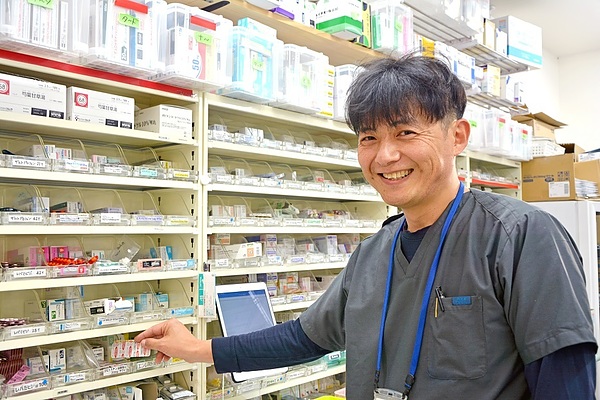
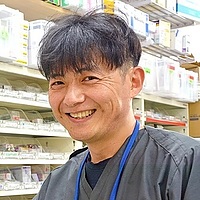
富士市・富士宮市で在宅医療に携わっている薬剤師、栗原憲二です。
目次
2. よく検索される「飲み方の疑問」19選 — 薬剤師の答え
1. Introduction: Why the “Way You Take Medicines” Matters
2.19 Common Questions About How to Take Medicines — Answers from a Pharmacist
3. From the Home-Care Medical Field — The Reality of Medication Support for Older Adults
店舗や在宅で毎日のように患者様やご家族から、多くの「お薬の飲み方」に関する相談を受けます。
•「食前ってどれくらい前?」
•「水以外で飲んでいいの?」
•「飲み忘れたらどうしたらいい?」
•「横になっても大丈夫?」
こうした疑問は、誰にでも起こります。
しかし、飲み方を間違えると、せっかくのお薬の効果が半減したり、副作用リスクが高くなることがあります。
なぜ飲み方が大事かというと──お薬は開発段階で“決められた飲み方”で効果が検証されているためです。
・食前なのか
・空腹時なのか
・水で飲むのか
こうした条件の上に「安全性」と「効果」が設計されています。
また、複数の病院から処方された薬を飲んでいる方はとても多く、“飲み合わせ”の問題も無視できません。
たとえば、
•抗生剤 × 下剤
→ 下剤が腸管通過を速め、抗生剤が吸収されず効果が出ない
•ロキソニン × 空腹時
→ 胃の粘膜を荒らし、副作用リスクが増加
など、多くのケースが実際の現場では起きています。
さらに、インターネット上には多くの情報がありますが、正しい情報と誤った情報が混在しています。
同じ薬でも、「この人は飲み合わせNG、別の人はOK」というケースもあり、ネット情報をそのまま鵜呑みにすることは危険です。
患者様にとって大切なのは、**“正しく飲めば、薬は最大限の力を発揮できる”**ということ。
この記事では、現場で実際に多く聞かれる19の疑問について、薬剤師として可能な限り簡潔に回答したいと思います。
ただし簡潔であることには問題もあるため、最後に基本的なお薬の服用方法についてまとめましたのでそれも読んでいただきたいと思います。
⸻
2. よく検索される「飲み方の疑問」19選 — 薬剤師の答え
Q1. 「食前」「食後」「食間」の違いは?
•食前 … 食事の30分前
•食後 … 食後30分以内
•食間 … 食後2〜3時間(=胃が空の状態)
食間は「食事中」ではないという点がポイントです。
また、漢方薬は吸収の関係から**空腹時(食間)**が基本ですが、高齢者ではあえて「食後」に処方されることもあります。
⸻
Q2. 水以外(お茶・コーヒー・牛乳・ジュース)で飲んでよい?
基本は水(または白湯)一択です。
理由:
•お茶:鉄剤などの吸収を妨げる
•コーヒー:一部薬の効果を弱める
•牛乳:抗生剤・骨粗鬆症薬の吸収阻害
•ジュース:薬によっては苦味が強まる
•グレープフルーツ:薬の代謝を阻害する(有名)
ただし、子どもに粉薬を飲ませる場合は味をごまかすため、例外的にジュースを使うことがあります。
薬剤師に相談すると確実です。
⸻
Q3. 錠剤を割ったり砕いたりしてよい薬と、いけない薬の違いは?
割ってはいけない薬には理由があります。
•腸まで届くよう特別なコーティングがしてある
•苦味や刺激が強い成分を包んでいる
•ゆっくり溶けるように徐放性加工されている
コーティングを壊すと、
効果が出すぎたり、副作用が強まったりします。
(上記のような製剤上の工夫が壊れると、設計通りに吸収されません。)
⸻
Q4. カプセルの中身を出して飲んでもよい?
「脱カプ」が可能な薬と、不可の薬があります。
•OK例:一部のビタミン剤、胃薬
•NG例:徐放性カプセル、腸溶カプセル、苦味が強い薬
構造によっては、安全性が損なわれるため、
必ず薬剤師に相談を。
可否は剤形や目的に依存するのです。
⸻
Q5. 飲み忘れたときは? 2回分まとめて飲んでいい?
薬によって対応が違います。
•飲み忘れても飲んだ方がいい薬
例:一部の降圧薬、抗てんかん薬
•飲み忘れた場合はスキップする薬
例:糖尿病薬の一部、ワーファリンなど
•週1回・月1回の薬(骨粗鬆症治療薬など)
→ 1~2日ずれても飲むべきことが多い
迷ったら自己判断は危険。薬剤師に確認してください。
⸻
Q6. サプリメントと薬は一緒に飲んでいい?
サプリも“成分”です。組み合わせによっては問題が起こります。
例:
•カルシウム薬 × カルシウムサプリ → 過剰摂取
•ビタミンKサプリ × ワーファリン → 効果低下
•ハーブ系サプリ × 抗がん剤・抗てんかん薬 → 相互作用
「自然のものだから安全」は誤解です。必ず薬剤師へ。
⸻
Q7. 抗生物質はなぜ最後まで飲み切らないといけない?
途中でやめると、
•菌が完全に死なず
•耐性菌が生まれ
•次回から薬が効かなくなる
という深刻な事態につながります。
症状が治っても「中で菌が残っている」ため、指示通り飲み切ることがとても大切です。途中中断は将来の治療を難しくします。
⸻
Q8. 薬は常温保存? 冷蔵? 湿気対策は必要?
•基本:室温(1~30℃)保存
•坐薬 → 室温で溶けるため夏は冷蔵
•インスリン
- 未開封:冷蔵
•開封後:冷蔵庫出し入れの結露がNG → 室温で保管
湿気は薬を劣化させるため、浴室・台所付近は避けてください。保存条件は薬の安定性に直結します。
⸻
Q9. 粉薬を飲みやすくする方法は?(高齢者・子ども)
•高齢者:
水に溶かす、ゼリーに混ぜる。誤嚥に注意。
•子ども:
アイス・ヨーグルトは薬によって苦味が増すことも。
小児科前薬局では「飲ませ方のプロ」が多いので相談が確実。
小児科前薬局では「飲ませ方のプロ」が多いので相談が確実。
剤形や矯味の工夫を活用しましょう。
⸻
Q10. 舌下錠は噛んだり飲み込んだりしても効く?
NGです。
舌下錠は、飲み込むと肝臓で分解されてしまい、本来の効果が得られません。
自然に溶けて、唾液と一緒に広がるのを待つのが正しい方法。舌・口腔粘膜からの吸収がポイントです。
⸻
Q11. OD錠(水なしで溶ける薬)は水なしでOK?
水なしでも効果は変わりません。ただし苦味や誤嚥防止の点から、可能なら水で飲む方が安全です。
高齢者は唾液量が少なく溶けないことがあり、少量の水を用いる方が安心です。
安全面からは水での服用が無難です。
⸻
Q12. ジェネリックに変えると効き目は変わる?
基本は**「同等」**です。
•有効成分は同じ
•添付成分が違うため、溶け方に多少の違いはある
•国が「生物学的に同等」と認めたものだけ販売
ただし近年、供給不安や品質問題も一部で発生しており、薬剤師は適切に情報を選びながら採用しています。切替時は体調変化に注意し、気になる点は相談を。
⸻
Q13. 寝る前の薬はどれくらい前に飲む?
就寝の20〜30分前が基本です。
ただし、食べ物があると吸収が落ちる薬もあるため、夜食後すぐの服用には注意が必要。服用タイミングは吸収効率に影響します。
⸻
Q14. 食事の時間がずれたら薬はどうする?
「食後」の理由には3種類あります。
1.食後の方が吸収がよい薬
例:カルシウム製剤、エルデカルシトール
2.空腹だと胃が荒れる薬
例:ロキソニン、ボルタレン
3.食事時間を目安とした方が管理しやすい薬
食事が取れなくても薬を飲むべき場合もあり、
不明なときは薬剤師に相談を。個々の薬で最適解が異なります。
⸻
Q15. 高齢の家族が薬をよく飲み忘れる…どう管理する?
現場で多い方法は以下の3つです。
1.家族・ヘルパーが管理する
2.服薬カレンダーを使う
3.施設で看護師・介護職が管理する
在宅医療では、薬局で「服薬カレンダーにセットして持参する」ことが多く、飲み忘れ対策として非常に有効です。見える化と関与者の一元管理が鍵です。
⸻
Q16. 薬とアルコールは一緒に飲んではいけない?
大きな理由は2つ。
(1)肝臓での“代謝”が阻害される
→ 薬が効きすぎたり、逆に効かなくなったり。
(2)アルコールと薬の作用が重なる
向精神薬・睡眠薬などは危険。中枢神経の抑制が強まり、事故・転倒リスクが上昇。アルコール併用は予測不能な作用増強を招きます。
⸻
Q17. 市販薬と処方薬は一緒に飲んでいい?
実は成分が重なる場合がとても多いです。
•ロキソニン
•カロナール(アセトアミノフェン)
•胃薬
•風邪薬
市販薬を飲んでいる場合は必ず医師・薬剤師に伝え、お薬手帳にも記録してください。重複投与と相互作用の回避が目的です。
⸻
Q18. 薬を飲んだ後すぐ横になってもいい?
基本はNGです。
横になると薬が食道に逆流し、潰瘍を起こすことがあります。
特に危険な薬:
•ロキソニン
•ボルタレン
•ミノマイシン(抗生剤)
服用後30分は横にならないのが安全です。逆流性食道炎や潰瘍の予防につながります。
⸻
Q19. 効果が出るまでどれくらい?
薬により大きく違います。
•舌下錠:数分
•坐薬:10〜20分
•一般の内服薬:30分〜1時間で最大効果
•作用時間:数時間〜24時間以上まで様々
効果が出るまでの時間を理解すると、「効かない」と誤解して飲みすぎる事故を防ぐことができます。薬理発現の時間差を知ることが安全につながります。
⸻
3. 在宅医療の現場から ― 高齢者の服薬サポートの実情
私は富士市・富士宮市で、毎日のように患者様のご自宅に伺い、薬の整理・配薬を行っていますが、その中で現実の患者様のお薬のより良い管理方法は何が良いか?と取り組んでいます。
■ 病院からの“退院時処方”は管理が難しい
大学病院や市立病院では、退院時に10袋以上の薬袋が出ることが珍しくありません。
患者様・ご家族にとっては「これ、どうやって管理すれば…?」という状態です。
そのため在宅では一度すべてを整理し直し、服薬カレンダーへ再セットすることも珍しくありません。
そのため在宅では一度すべてを整理し直し、服薬カレンダーへ再セットすることも珍しくありません。配薬と見える化で負担を減らします。
■ 通院が難しい方の強い味方が“在宅医療”
•歩行が難しい
•家族が遠方
•認知症で通院が困難
こんな場合、在宅への切り替えが非常に効果的です。
ふじやま薬局にはケアマネジャーも在籍していますので、お薬管理・通院困難でお困りの際は、いつでもご相談ください。地域の多職種連携で生活を支えます。
⸻
4. お薬を安全に使うための“3つのポイント”
① 迷ったら自己判断しない
「前の薬ではこう言われたから」という思い込みは危険です。薬ごとに条件は異なります。
不安なら小さなことでも薬剤師に相談してください。判断の外部化が安全性を高めます。
⸻
② 飲み方を守るのが、最も効果を高める方法
•食前
•食後
•朝食後
•就寝前
•頓服
これらにはすべて理由があります。自己流の“アレンジ”は効果低下につながります。用法用量は薬効設計の一部です。
⸻
③ 困ったときに相談できる薬剤師を持つ
「かかりつけ薬剤師制度」には費用がかかりますが、間違った服薬で起こるトラブルを防ぐ価値は計り知れません.
薬剤師は、
•適切な情報の取捨選択
•相互作用チェック
•高齢者の服薬支援
•在宅での薬管理
こうした専門性を活かして、皆様の生活の質を高めるお手伝いをしています。
「かかりつけ薬剤師制度」には費用がかかりますが、間違った服薬で起こるトラブルを防ぐ価値は計り知れません。
専門職との継続的な関係が安心につながります。
⸻
5. まとめ:お薬は「正しく飲めば」生活を支えてくれる
最後に、薬剤師として強くお伝えしたいのは、
「お薬は、飲み方を守れば最大限の効果を発揮する」ということです。
不安があれば、ご家族でも、患者様ご本人でも、どうか遠慮なく薬剤師にご相談ください.
お薬は、あなたの生活を守るためにあります。そしてそのために、私たち薬剤師がいます。
あなたとご家族が、安心して毎日を過ごせるように──薬剤師として、これからも全力で支援していきたいと思います。
⸻
I’m Kenji Kurihara, a pharmacist engaged in home medical care in Fuji City and Fujinomiya City.
1. Introduction: Why the “Way You Take Medicines” Matters
Every day at the pharmacy and on home visits, I receive many questions from patients and families about “how to take medicines.”
• “How long before a meal is ‘before meals’?”
• “Is it okay to take medicine with something other than water?”
• “What should I do if I forget a dose?”
• “Is it okay to lie down right after taking a medicine?”
These questions can happen to anyone.
However, if you take medicines the wrong way, the intended effects can be halved and the risk of side effects can increase.
Why does the way you take medicine matter? — because in the development stage, the drug’s effects are tested under a specified method of administration.
• Whether it is before meals
• Whether it is on an empty stomach
• Whether it is taken with water
“Safety” and “effectiveness” are designed on the basis of these conditions.
Also, many people take medicines prescribed by multiple hospitals, and problems of “drug interactions” cannot be ignored.
For example,
• Antibiotics × Laxatives
→ Laxatives speed up intestinal transit, antibiotics aren’t absorbed, and the effect is lost
• Loxoprofen × Empty stomach
→ Irritates the gastric mucosa and increases the risk of side effects
Many such cases occur in real clinical settings.
Furthermore, while there is a lot of information on the internet, correct and incorrect information is mixed together.
Even with the same medicine, there are cases like “contraindicated combination for this person, but okay for another,” so it’s dangerous to take online information at face value.
What matters for patients is that “if taken correctly, medicines can exert their full power.”
In this article, I will answer— as concisely as possible as a pharmacist— 19 questions frequently asked in practice.
However, conciseness has its limits, so I’ve summarized basic methods of taking medicines at the end; I encourage you to read that section as well.
⸻
2.19 Common Questions About How to Take Medicines — Answers from a Pharmacist
Q1. What’s the difference between “before meals,” “after meals,” and “between meals”?
• Before meals … 30 minutes before eating
• After meals … Within 30 minutes after eating
• Between meals … 2–3 hours after eating (= when the stomach is empty)
The key point is that “between meals” does not mean “during a meal.”
Also, due to absorption characteristics, empty stomach (between meals) is standard for Kampo medicines, but for older adults they are sometimes deliberately prescribed “after meals.”
⸻
Q2. Is it okay to take medicine with something other than water (tea, coffee, milk, juice)?
Basically, choose only water (or warm water).
Reasons:
• Tea: can inhibit absorption of agents such as iron
• Coffee: can weaken the effect of some medicines
• Milk: can reduce absorption of antibiotics and osteoporosis drugs
• Juice: can make some medicines taste more bitter
• Grapefruit: inhibits drug metabolism (well known)
However, when giving powders to children, juice may be used exceptionally to mask taste.
Check with a pharmacist to be sure.
⸻
Q3. Which tablets can be split or crushed, and which must not be?
There are reasons some tablets must not be split.
• Special coating to ensure they reach the intestines
• Coating to mask very bitter or irritating ingredients
• Modified to dissolve slowly (sustained/controlled release)
If you break the coating,
the drug may be released too quickly and side effects may intensify.
(Once such pharmaceutical designs are broken, the drug will not be absorbed as intended.)
⸻
Q4. Can I open a capsule and take only the contents?
Some capsules allow “de-caps” and some do not.
• OK examples: certain vitamins, some antacids
• NG examples: sustained-release, enteric-coated capsules, and products with very bitter contents
Depending on the structure, safety can be compromised, so
always consult a pharmacist.
Whether it’s permissible depends on the dosage form and purpose.
⸻
Q5. What should I do if I miss a dose? Can I take two doses at once?
It depends on the medicine.
• Better to take even if missed: e.g., some antihypertensives, antiepileptics
• Skip the missed dose: e.g., some antidiabetics, warfarin
• Once-weekly / once-monthly medicines (e.g., for osteoporosis)
→ It’s often better to take them even if you’re 1–2 days off schedule
When in doubt, self-judgment is risky.Ask a pharmacist.
⸻
Q6. Is it okay to take supplements together with medicines?
Supplements are “active substances,” too. Some combinations cause problems.
Examples:
• Calcium medication × Calcium supplement → excessive intake
• Vitamin K supplement × Warfarin → reduced effect
• Herbal supplements × Anticancer/antiepileptic drugs → interactions
“Natural = safe” is a misconception.Always consult a pharmacist.
⸻
Q7. Why must antibiotics be finished to the last dose?
If you stop midway,
• Bacteria may not be completely eradicated
• Resistant strains can emerge
• The drug may not work the next time
This can lead to serious consequences.
Even if symptoms improve, bacteria may remain inside the body, so it’s crucial to finish exactly as directed.Stopping early can complicate future treatment.
⸻
Q8. Room temperature or refrigeration? Is moisture control necessary?
• Basic rule: store at room temperature (1–30°C / 34–86°F)
• Suppositories → Refrigerate in summer because they melt at room temperature
• Insulin
- Unopened: refrigerate
• Opened: condensation from repeated removal from the fridge is NG → store at room temperature
Moisture degrades medicines; avoid bathrooms and areas near the kitchen.Storage conditions directly affect drug stability.
⸻
Q9. How can powders be made easier to take? (Older adults / children)
• Older adults:
Dissolve in water or mix with a jelly; beware of aspiration.
• Children:
Ice cream or yogurt can make some drugs taste more bitter.
Pharmacies in front of pediatric clinics often have “administration experts,” so consulting them is reliable.
Pharmacies near pediatric clinics often have “experts in giving medicines,” so consulting them is reliable.
Make use of dosage-form options and flavor-masking techniques.
⸻
Q10. Will sublingual tablets still work if chewed or swallowed?
NG.
If swallowed, sublingual tablets are metabolized by the liver and the intended effect is not achieved.
The correct method is to let it dissolve naturally and spread with saliva.Absorption through the tongue/oral mucosa is the key.
⸻
Q11. For OD tablets (that dissolve without water), is it okay to take them dry?
Effectiveness does not change even without water. However, to reduce bitterness and prevent aspiration, taking with water is safer when possible.
Older adults may have reduced saliva and the tablet may not dissolve; a small amount of water makes it safer.
From a safety standpoint, taking with water is the safer choice.
⸻
Q12. If I switch to a generic drug, will the effect change?
Basically, they are “equivalent.”
• The active ingredient is the same
• Excipients differ, so dissolution may vary slightly
• Only products recognized by the government as “bioequivalent” are marketed
That said, in recent years some supply instabilities and quality issues have occurred, and pharmacists adopt products while carefully selecting information. When switching, watch for any changes in your condition and consult if anything concerns you.
⸻
Q13. How long before bedtime should I take “at bedtime” medicines?
Generally 20–30 minutes before going to bed.
However, for some medicines, food reduces absorption, so avoid taking them immediately after a late-night snack. Timing of administration affects absorption efficiency.
⸻
Q14. What if my mealtime is delayed—how should I take my medicine?
There are three reasons for “after meals.”
1.Medicines absorbed better after meals
Examples: calcium preparations, eldecalcitol
2.Medicines that irritate the stomach when empty
Examples: loxoprofen, diclofenac
3.Medicines that are easier to manage when tied to mealtimes
Even if you cannot eat, some medicines should still be taken.
If you’re unsure, ask a pharmacist.The optimal answer differs for each drug.
⸻
Q15. An older family member often forgets doses—how can we manage this?
Common approaches in practice:
1.Management by family members or care workers
2.Use a medication calendar/organizer
3.Management by nurses/care staff in facilities
In home care,
pharmacies often “pre-set medicines into a medication calendar and bring it,” and
this is very effective for preventing missed doses.Visualization and unified management among caregivers are the keys.
⸻
Q16. Should medicines and alcohol never be taken together?
Two major reasons:
(1) Hepatic “metabolism” is inhibited
→ Medicines may become too strong, or conversely ineffective.
(2) Alcohol’s effects overlap with drug effects
Psychotropics and sleeping pills are dangerous—central nervous system depression can be intensified, increasing the risk of accidents and falls.Combining alcohol can unpredictably potentiate drug effects.
⸻
Q17. Is it okay to take OTC medicines together with prescription medicines?
In fact, overlapping ingredients are very common.
• Loxoprofen
• Acetaminophen (Calonal)
• Gastric medicines
• Cold remedies
If you’re taking OTC medicines, be sure to inform your doctor/pharmacist and record them in your medication notebook.The goal is to avoid duplicate therapy and interactions.
⸻
Q18. Is it okay to lie down right after taking medicine?
Basically NG.
Lying down can cause reflux of the medicine into the esophagus and lead to ulcers.
Particularly risky medicines:
• Loxoprofen
• Diclofenac
• Minocycline (antibiotic)
It’s safest not to lie down for 30 minutes after dosing.This helps prevent reflux esophagitis and ulcers.
⸻
Q19. How long does it take for a medicine to work?
It varies widely by medicine.
• Sublingual tablets: a few minutes
• Suppositories: 10–20 minutes
• Most oral medicines: peak effect in 30–60 minutes
• Duration of action: from several hours to over 24 hours
Understanding onset time helps prevent overdosing due to the misconception that “it isn’t working.”Knowing the timing of pharmacologic effects improves safety.
⸻
3. From the Home-Care Medical Field — The Reality of Medication Support for Older Adults
In Fuji City and Fujinomiya City, I visit patients’ homes almost every day to sort and dispense medicines, continually working on what constitutes better medication management for real patients.
■ “Discharge prescriptions” from hospitals are difficult to manage
At university and municipal hospitals, it’s not uncommon to receive more than 10 medication bags upon discharge.
For patients and families, the situation is, “How are we supposed to manage all this?”
Therefore, in home care, we often reorganize everything once and reset it into a medication calendar.
Therefore, in home care, we often reorganize everything once and reset it into a medication calendar.Pre-packing and visualization reduce the burden.
■ Home medical care is a strong ally for those who have difficulty visiting clinics
• Difficulty walking
• Family living far away
• Dementia making clinic visits difficult
In such cases, switching to home care is highly effective.
At Fujiyama Pharmacy, care managers are also on staff, so if you have trouble with medication management or with making clinic visits, please feel free to consult us anytime. We support daily life through multidisciplinary community collaboration.
⸻
4. Three Key Points for Using Medicines Safely
① Don’t make decisions on your own when uncertain
The assumption “I was told this with my previous medicine” is dangerous. Conditions differ from drug to drug.
If you’re unsure, consult a pharmacist even about small things.Externalizing the judgment enhances safety.
⸻
② Following the directions is the most effective way to maximize benefit
• Before meals
• After meals
• After breakfast
• At bedtime
• As needed (PRN)
Each has a rationale. Self-styled “adjustments” can reduce effectiveness.Dosage and administration are part of the drug’s therapeutic design.
⸻
③ Have a pharmacist you can consult when in trouble
The “family pharmacist system” involves a fee, but its value in preventing problems caused by incorrect medication use is immeasurable.
Pharmacists provide:
• Appropriate selection of information
• Interaction checks
• Medication support for older adults
• Medication management at home
Leveraging these specialties, we help improve the quality of your daily life.
The “family pharmacist system” involves a fee, but its value in preventing problems from incorrect medication use is immeasurable.
An ongoing relationship with a professional leads to peace of mind.
⸻
5.Summary: Medicines Support Our Lives When Taken Correctly
Lastly, what I strongly want to convey as a pharmacist is this:
“If you follow the directions for taking medicines, they will exert their maximum effect.”
If you have any concerns, whether you are a family member or the patient yourself, please don’t hesitate to consult a pharmacist.
Medicines exist to protect your life, and we pharmacists are here for that very purpose.
So that you and your family can spend every day with peace of mind— as a pharmacist, I will continue to support you with all my strength.
⸻