


子供にお薬を飲ませる時の裏技をこっそり教えます
富士市・富士宮市で在宅医療に携わっている薬剤師、栗原憲二です。
在宅医療・薬局業務・地域医療の現場では、毎日のように「瞬時の判断」が求められます。
しかし医療安全の本質は、むしろ慌ただしさの中であえて一歩立ち止まる勇気を持ち続けることによって作り出されます。
本稿では、これまで私が在宅医療の現場で積み重ねてきた経験、DX(デジタル化)との向き合い方、患者様とのコミュニケーションなどの知見をもとに、薬剤師が安全と専門性を守るための**「立ち止まる技法」**をお伝えしたいと思います。
目次
1) What Does “The Courage to Pause” Mean?
2) Mindsets That Create Calmness
3) Concrete Techniques for “Pausing” in Specific Situations
4) Techniques for Pausing: Searching, Dialogue, and Basic Checks
Conclusion—“The Courage to Pause” Is a Skill That Shapes the Future
1)「一歩立ち止まる勇気」とは何か
冷静な判断を生み出す身体の維持
薬局業務は年々複雑化しています。処方監査・相互作用チェック・在宅訪問・薬歴の電子化・多職種連携など、短時間でこなすべき業務は膨大です。そのため、無意識のうちに一つひとつの事柄を“浅く処理”してしまい、ヒヤリ・ハットにつながることがあります。
薬剤師は大学の薬学部にて自然科学の訓練を受けており、理論的な思考には慣れています。
しかし、現代の薬剤師に求められているのは、実験室における科学的で冷静な判断だけでなく、人とのコミュニケーションの中における判断の冷静さでもあります。
冷静な判断は健全な心身によって生み出されるものです。
そのため
・睡眠
・細切れ休息
・リフレッシュの習慣
が極めて重要になります。
前頭葉を活性化する「短時間の工夫」
・コーヒーのカフェイン → 一時的集中力
・炭酸水 → 前頭葉の賦活効果(研究報告あり)
・早歩き → 血流改善・思考の切り替え
薬局内は狭い空間であることが多く、5メートル程度の移動を何度も行いますが、ここで「キビキビ動く」だけでも脳は活性化されます。
私が愛読している『耳ひっぱり』(耳介刺激)は科学的根拠は限定的ですが、実際に頭の回転が良くなる感覚があります。こうした**“自分なりのリセット技法”を持つことが冷静な判断につながります。**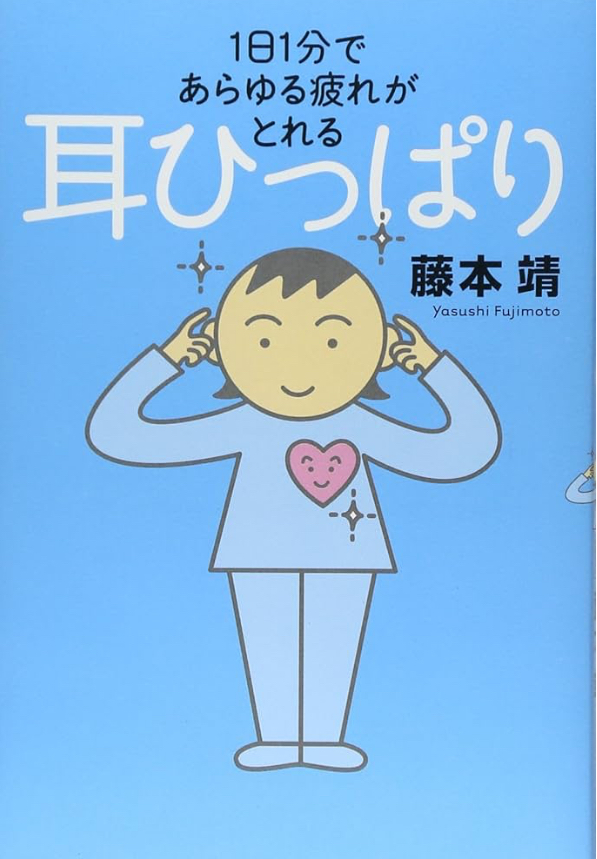
https://amzn.asia/d/3hcgdGa
⸻
確信のあることにこそ立ち止まる
医療現場で最も危険なのは、「知っているつもり」 の領域です。
未知のことには慎重になれます。しかし「これはもう知っている」と思った瞬間、チェックが甘くなり、ヒヤリ・ハットが起きます。
「知っている」という思い込みこそ、最大の盲点になるわけです。
既知の領域で、一度立ち止まって確認することで、知識のつながりが深まります。新たな発見が生まれ、ミスの芽を摘むことができます。
例えば私は学生時代バスケットボールをしていましたが、図書館で借り出したサッカーの本を読んでいて、私の息子たちがやっているサッカーにも、バスケットボールにも共通する“ポジショニング”の考え方があることに気がつきました。
本の前に鎮まり、じっくりと文字に向いあう中でこそ気が付けたことだと思います。
「既知の分野」を疑う姿勢が、思考の柔軟性と安全性を担保します。
⸻
プレッシャーを弾き返す基本
医療現場のプレッシャーの大半は、時間的制約から生じます。
しかし、現代は
・携帯電話
・LINE WORKS
・メッセンジャー
など連絡手段が極めて多様で、むしろ**「正確な情報提供のために時間をください」と言いやすい時代**になりました。
プレッシャーのかかる状況では、「速さ」より「確実さ」を優先すべきです。
数分の確認を省くことで患者様に迷惑が生じる可能性がある以上、冷静さを保つために“あえて立ち止まる”ことは、相手の利益を守る行為そのものです。
⸻
2)冷静さをつくるマインドセット
立ち止まってうまくいった経験を積む
冷静さは、豊富な知識からだけではなく、経験によっても育つものです。
医療事故には複雑な背景があります。
机上の勉強だけでは乗り越えられない場面が数多く存在します。
私のこれまでの経験から言えることは
・処方内容に対する違和感
・患者様の表情の変化
・同僚のミス傾向の思い出し
などで重大なミスを回避出来るということです。
冷静さを生むのは「経験の蓄積」である
小さな成功体験(立ち止まって確認した結果、正しい判断に至った経験)を積み重ねることで、プレッシャー下でも動じないマインドが形成されていきます。
⸻
ほんの一手間が「薬剤師の仕事の質」を決める
薬剤師の仕事は、数mgの薬を扱う世界です。そのため、わずかな確認不足が重大事故につながります。
メーカーの違い
相互作用の有無
規格違い
用量の不自然さ
処方日のズレ
二重処方
剤型の不一致
こうした要素は、すべて「ほんの少しの手間」で防げます。
薬剤師は、「1人ダブルチェック」ができて初めて一人前であるとも言えます。
視点を変え、チェック項目を複数の観点で再確認する習慣こそが、思い込み・先入観・勘違いを減らし、医療安全の核心になります。
⸻
人との関係に“余白”をつくる
薬剤師は「お変わりありませんか?」と尋ねることが多いですが、99%の患者様は「変わりません」と答えます。
しかし、そのように言われる患者様には
・表情
・声質
・呼吸
・歩行のリズム
など、医療的観点から言って、深刻な事態になりうる変化が隠れていることがあります。
ですから私はあえて「お変わりありませんか?」と聞く時、「変わりありません」と答えることを想定した上で、必要あればもう一言かけるようにしています。普段と異なる聞き方をするのです。
会計時や雑談の流れの中で、砕けた口調で体調を聞くと、患者様が構えずに本音を語りやすくなります。
つまり私は患者様の「変わりません」という返答を鵜呑みにしません。
その言い方・表情・間合いの“揺らぎ”に意識を向けています。
そこに気づけるかどうかで、予防できる医療上の健康悪化は少なくないと感じます。
⸻
3)具体的場面での「立ち止まる」技法
医師からの問い合わせ
医師からの問い合わせは薬剤師にとって最も緊張する場面の一つです。
特に
・代替薬
・相互作用
・腎機能に応じた投与量
・最新のガイドライン
など、専門性が問われる領域ではなおさらです。
でも、迅速ではなく「確実」を優先することで医師からの信頼が生まれると心得て頂きたいと思います。
忙しい場面であっても「5分だけいただければ、より確実な情報をご提供できます」と伝えることで、結果的に医師・患者様の利益につながります。
私は普段から
・製薬会社への問い合わせ
・添付文書よりも詳細なデータを得ることが出来る医薬品情報
を検索する習慣を持つように心がけています。一手間かかることですが、忙しい日々だからこそ、こう言った手間を取る余白を持つことを意識的に行う必要があることを実感しています。
⸻
患者様からの質問
患者様の質問の背景には、必ず何らかの“不安”があります。テレビや新聞などで接した情報が背景にあるかもしれません。また改めて自宅でお薬を手にした時に感じた「違和感」などもあるでしょう。
そういった患者様の必要に答えることは薬剤師としてとても大切な対応だと感じています。
こういった患者様からの問い合わせに、どのように対応するか?
ここで頭ごなしに一方的に見解を述べたりすると、一気に患者様からの信頼を失ってしまうことになりかねません。問題は、実際に患者様が「不安を感じている」という事実そのものだからです。
問題はないと確信があっても、あえて調べ直すことで信頼が生まれます。
即答は一見スマートに見えますが、患者様は「本当に大丈夫だろうか」と不安を残します。むしろ、確認のための“ひと呼吸”を置くほうが安心を与えます。
医療機関側のミスの可能性だってゼロではありません。
患者様の問い合わせは、医療安全の重要な「セーフティネット」であると肝に銘じるべきです。
⸻
最終確認(投薬)の段階
処方箋入力
ピッキング
監査
投薬
薬歴記載
薬局では1枚の処方箋に多数の人の手が入ります。それだけ、人為的なミスの入り込む余地も存在します。
お薬を実際に患者様に投薬する薬剤師は、さまざまなことを考慮して医療事故を防ぐよう心がける必要があります。
新人スタッフが関わっている状況、業務が立て込んでいる時間帯、製剤変更が多い処方…こうした“状況の匂い”は重要な判断材料です。
また、薬歴をしっかりと確認することで調剤ミスを発覚することも珍しくありません。
前回処方との変更点や前回の患者様の訴えを確認することは言うまでもなく大切なことです。
ですが薬歴を見る上での注意点もあります。
現在、ほとんどの調剤薬局では電子薬歴が用いられていますが、電子薬歴は、様々な企業が提供している電子薬歴の使用法を、各企業に問い合わせて、その機能を十分に活用できるよう、普段から心がけることが大切です。
「こういう機能があれば」と思ったら、気兼ねなく問い合わせをしたほうが良い。バージョンアップも多いので、知らない間にとても有効な機能が追加されていることも珍しくありません。
「頭書き」の管理運営
その上で、意外と見落としがちなのが、薬歴の表紙に該当する「頭書き」です。
紙の薬歴の時代から、ここに副作用歴や併用薬、アレルギー歴など、変更があれば逐一手を入れる必要がありましたが、電子薬歴は簡単に過去の記録を辿ることができるので、頭書きの整理がされていない場合が多い。
不必要な情報のコピーペーストが繰り返されることで、本当に重要な事柄が見にくくなっていることがあります。ちょっとしたボタンの押し方で、頭書きに反映されずに重要な情報が過去の記録に埋没してしまうことがあります。
なので、頭書きの整理整頓、ならびにその方法について、電子薬歴の記録方法を正しく理解しておくことが必要なのです。
この頭書きの部分の編集については、今後はより、L L Mのような人工知能がより有効活用されるようになると思います。膨大な患者情報は、AIの方が、人間よりも得意だからです(もちろんその管理上の責務は薬剤師にあるのは言うまでもありません)。
⸻
4)立ち止まるための技法――検索・対話・基本確認
検索すること
この情報化の時代では、「一歩立ち止まる」ことと**“正しく情報を検索する”**こととほぼ同義になっていると言えます。
Google検索は便利ですが、検索者の履歴傾向によって結果が偏るものです。そのことを踏まえた上で、情報は検索しなければなりません。
最近はGoogleの検索をかけても上位にAIによりインターネット上の情報を編集した記事がアップされるようになりました。これはとても便利な機能です。
ただ、そういった情報を用いて判断を下す責任は薬剤師にあります。
そのため検索は「多角的に調べ直す」ことで初めて安全性が担保されると理解しなければなりません。
Google・薬剤データベース・ガイドライン・LLM…複数の視点で照らすことで、判断が“曖昧”から“確信”へ変わります。
⸻
人の意見に耳を傾ける
周りの薬剤師、看護師、医師、ケアマネなど多職種との対話は、自分の思い込みを外す効果の高い方法です。
他者の意見は「自分の認知バイアス」を外す最高の方法でもあると思います。
その人の経験に基づいて、様々な情報から「これは大切」と判断された知見を拝借することが可能だからです。AIとはまた別な、生きた知見を得ることが出来るのです。
“あれ、そういう見方もあるのか”という気づきは、判断力を一段上げてくれます。つまり立ち止まることで得られるメリットは、他者の視点からも生まれるのです。
⸻
基本事項の確認
薬剤師の仕事は、基本の反復がとても大切です。日常的な判断のほとんどはこの基本に基づいています。
作用機序
禁忌
相互作用
など、基本事項を繰り返し確認して、判断の瞬発力を普段から確保していかなければなりません。
またこういった基本事項に、普段から一手間加えるよう意識的になることも大切です。
基本にもう一歩踏み込んで情報を確認することで、知識が“立体化”し、その薬剤師の専門性が独自の価値を持ち始めるものだからです。
何か調べ物をする必要に直面したなら、時間の許す限り、「もう一歩」踏み込んで情報を検索する意識を持つことが大切と言えます。
⸻
結語――「立ち止まる勇気」は未来をつくる技術である
薬局業務・在宅医療・DX・多職種連携など、薬剤師に求められる業務は年々増えています。そのようなマルチタスクが求められるような状況だからこそ、心得るべきことがあります。
一歩立ち止まる勇気を持つことこそ、薬剤師の専門性を守り、患者様の未来を守る知恵であると思います。
焦らず、確かめ、他者の知見を取り入れ、基本を徹底し、AIと協働しながら判断を深める。これらすべてが、医療安全の根幹です。
私はこれからも、富士市・富士宮市の地域医療に携わる薬剤師として、この“立ち止まる勇気”を大切にしながら、現場で学び続けていきたいと思います。
My name is Kenji Kurihara, a pharmacist involved in home medical care in Fuji City and Fujinomiya City.
In the fields of home medical care, pharmacy work, and community healthcare, we are required to make “instant decisions” on a daily basis.
However, the essence of medical safety is, rather, created by having the courage to deliberately pause and take a step back amid the busyness.
In this article, based on the experience I have accumulated in the field of home medical care, my approach to DX (digital transformation), and the insights I have gained through communication with patients, I would like to share with you a pharmacist’s “techniques for pausing” in order to protect both safety and professional expertise.
目次
1) What Does “The Courage to Pause” Mean?
2) Mindsets That Create Calmness
3) Concrete Techniques for “Pausing” in Specific Situations
4) Techniques for Pausing: Searching, Dialogue, and Basic Checks
Conclusion—“The Courage to Pause” Is a Skill That Shapes the Future
1) What Does “The Courage to Pause” Mean?
Maintaining the Body That Produces Calm Judgement
Pharmacy work is becoming more complex year by year. Prescription checking, interaction checks, home visits, electronic medication records, multidisciplinary collaboration—there is an enormous amount of work that has to be completed in a short time. As a result, we may unconsciously process each matter only “superficially,” which can lead to near-miss incidents.
Pharmacists receive training in natural sciences at university faculties of pharmacy and are accustomed to theoretical thinking.
However, what is required of pharmacists today is not only scientific and calm judgement in the laboratory, but also calm judgement within communication with people.
Calm judgement is born from a healthy mind and body.
For that reason,
・Sleep
・Short, frequent breaks
・Refresh habits
are extremely important.
“Short-Time Tricks” to Activate the Frontal Lobe
・Caffeine from coffee → temporary concentration
・Sparkling water → activating effect on the frontal lobe (reported in some studies)
・Walking briskly → improved blood flow and switching of thought patterns
Pharmacies are often physically small spaces, and we repeatedly move about five meters back and forth. Even just “moving briskly” in that space is enough to activate the brain.
One of my favorite practices is what is introduced in a book called “Mimi-Hippare” (“Ear Pulling,” a type of auricular stimulation). Although the scientific evidence is limited, I actually feel that it makes my thinking sharper. Having such “personal reset techniques” leads to calmer judgement.
⸻
Daring to Pause Over Things You Feel Confident About
The most dangerous area in medical practice is the realm of “I think I know this.”
We tend to be cautious when something is unfamiliar. But the moment we think, “I already know this,” our checking becomes lax, and near-miss incidents occur.
It is precisely the assumption of “I know this” that becomes the biggest blind spot.
By pausing once to double-check in areas you believe you already know, you deepen the connections between your pieces of knowledge. New discoveries are born, and you can nip potential errors in the bud.
For example, I used to play basketball when I was a student. One day, I was reading a soccer book I had borrowed from the library and realized that the concept of “positioning” is common to both the soccer my sons play and to basketball.
It was something I only noticed because I was quietly seated in front of a book, carefully engaging with the text.
An attitude of questioning “areas you already know” supports both flexible thinking and safety.
⸻
Basics for Deflecting Pressure
Most of the pressure in medical settings arises from time constraints.
However, today we have
・Mobile phones
・LINE WORKS
・Messenger apps
and many other communication tools. In fact, it has become an era in which it is easier to say, “Please allow me a little time so that I can provide accurate information.”
In situations where pressure is high, we should prioritize “accuracy” over “speed.”
As long as skipping a few minutes of checking could cause inconvenience to the patient, deliberately choosing to “pause” in order to maintain calmness is, in itself, an act of protecting the other person’s best interests.
⸻
2) Mindsets That Create Calmness
Accumulating Experiences Where Pausing Leads to Success
Calmness is nurtured not only by abundant knowledge, but also by experience.
Medical accidents have complex backgrounds.
There are many situations that cannot be overcome by desk study alone.
From my own experience, I can say that
・A sense of discomfort about the prescription content
・Changes in the patient’s facial expression
・Recalling a colleague’s past mistakes
can all help to avoid serious errors.
It is the “accumulation of experience” that produces calmness.
By piling up small success experiences—cases where pausing to double-check led to the correct decision—you gradually shape a mindset that remains steady even under pressure.
⸻
A Small Extra Step Determines the Quality of a Pharmacist’s Work
Pharmacists work in a world of just a few milligrams of medicine. Therefore, a slight lack of checking can lead to a serious accident.
Differences in manufacturers
Presence or absence of interactions
Differences in strength
Unnatural dosage
Discrepancies in prescription dates
Duplicate prescriptions
Inconsistencies in dosage forms
All of these factors can be prevented by “just a little bit of extra effort.”
You could say that a pharmacist only becomes fully qualified when they are capable of “self-double-checking.”
The habit of shifting your viewpoint and re-checking items from multiple perspectives is what reduces assumptions, preconceptions, and misunderstandings, and becomes the core of medical safety.
⸻
Creating “Space” in Relationships with People
Pharmacists often ask, “Have there been any changes in your condition?” and 99% of patients answer, “No, nothing has changed.”
However, even in such patients, there may be changes that could become serious from a medical perspective, hidden in:
・Facial expression
・Tone of voice
・Breathing
・Rhythm of walking
That is why, when I ask, “Have there been any changes in your condition?” I do so while assuming that the patient will answer, “Nothing has changed,” and I am prepared to add one more question if necessary. I intentionally ask in a different way from usual.
If you ask about their condition in a casual tone during payment or small talk, patients find it easier to speak honestly without feeling defensive.
In other words, I never take the patient’s response of “No, nothing has changed” at face value.
I pay attention to the “fluctuations” in their wording, facial expression, and timing.
I feel that whether or not we notice those subtle signs can make a significant difference in how much health deterioration we can prevent.
⸻
3) Concrete Techniques for “Pausing” in Specific Situations
Inquiries from Physicians
Inquiries from physicians are among the most nerve-racking situations for pharmacists.
This is especially true in areas where professional expertise is required, such as:
・Alternative medications
・Drug interactions
・Dosing according to renal function
・Latest guidelines
However, I would like you to keep in mind that prioritizing “accuracy” over “speed” is what builds trust with physicians.
Even in busy situations, saying, “If you can give me just five minutes, I can provide you with more reliable information,” ultimately benefits both the physician and the patient.
In my daily work, I make a conscious effort to:
・Consult pharmaceutical companies
・Search drug information sources that provide more detailed data than package inserts
These require an extra step, but precisely because our daily work is so busy, I strongly feel that we need to intentionally create room for such efforts.
⸻
Questions from Patients
Behind every question a patient asks, there is always some kind of “anxiety.” Information they encountered on TV or in newspapers may lie in the background. Or it might be a sense of “something feels off” that they felt anew when they picked up their medicine at home.
Meeting those needs is, I believe, a very important part of a pharmacist’s role.
So how should we respond to such inquiries from patients?
If we respond by forcefully stating our own view one-sidedly, we may quickly lose the patient’s trust. The real issue is the simple fact that the patient “feels anxious.”
Even when you are confident that there is no problem, deliberately re-checking the information can build trust.
An immediate answer may look smart on the surface, but it often leaves patients with lingering anxiety: “Is it really okay?” Rather, taking a brief “pause to confirm” provides a greater sense of reassurance.
There is no such thing as zero possibility of an error on the part of medical institutions.
We should etch into our minds that patients’ inquiries themselves are an important “safety net” for medical care.
⸻
The Final Check: At the Point of Dispensing
Prescription input
Picking
Checking
Dispensing
Documentation in the medication record
Many different people are involved in handling a single prescription in the pharmacy. That means there are many opportunities for human errors to slip in.
The pharmacist who actually dispenses the medicine to the patient must keep many things in mind to prevent medical accidents.
Situations where new staff are involved, times when the workload is especially heavy, prescriptions with many formulation changes—these kinds of “atmospheric cues” in the situation are important pieces of information for judgement.
It is also not uncommon to discover dispensing errors by carefully reviewing the medication record.
It goes without saying that it is important to check for changes from the previous prescription and to review what the patient reported on their last visit.
However, there are also some points that require attention when looking at the medication record.
Today, almost all dispensing pharmacies use electronic medication records. With these systems, it is very important to routinely contact each vendor to learn how to use their particular electronic record system and make full use of its functions.
If you think, “It would be convenient if it had this kind of feature,” you should feel free to contact the vendor. System updates are frequent, and it is not uncommon for very useful features to be added without you realizing it.
On top of that, one thing that is surprisingly often overlooked is the “header section” of the medication record—the part that corresponds to the cover page.
In the days of paper records, it was necessary to manually update this area whenever there were changes to adverse reaction history, concomitant medications, or allergy history. With electronic records, however, it’s easy to trace past entries, so in many cases the header section is not kept in order.
Repeatedly copying and pasting unnecessary information can make truly important matters harder to see. Sometimes, depending on how you click a button, important information may end up buried in past entries instead of being reflected in the header section.
Therefore, it is essential to keep the header tidy and to accurately understand how to input and manage information in the electronic medication record.
In the future, I believe that editing this header section is an area where AI, such as L L M models, will be increasingly useful. AI handles vast amounts of patient information more efficiently than humans (although, needless to say, the responsibility for managing that information still lies with the pharmacist).
⸻
4) Techniques for Pausing: Searching, Dialogue, and Basic Checks
Searching for Information
In this information age, “taking a step back and pausing” is almost synonymous with “searching for information correctly.”
Google searches are convenient, but the results are biased by the searcher’s history and tendencies. We must keep that in mind when searching for information.
Recently, AI-edited articles compiling information from across the internet often appear at the top of Google search results. This is a very convenient feature.
However, pharmacists are responsible for any decisions made using that information.
For that reason, we must understand that safety is only ensured when we “re-check from multiple angles” in our searches.
By cross-referencing multiple sources—Google, drug databases, guidelines, LLMs, and others—our judgement can shift from “vague” to “confident.”
⸻
Listening to Other People’s Opinions
Dialogue with other pharmacists, nurses, physicians, and care managers in multidisciplinary teams is a highly effective way to break free from our own assumptions.
I believe that other people’s opinions are one of the best ways to remove our own cognitive biases.
That is because, based on their own experiences, they have already judged and distilled “what is important” from large amounts of information—knowledge we can borrow. This allows us to gain living, real-world insights different from those offered by AI.
Moments of “Oh, so there’s also that way of looking at it” raise our level of judgement by one step. In other words, one of the benefits of pausing is that it opens the door to other people’s perspectives.
⸻
Reviewing the Basics
The work of pharmacists depends heavily on the repetition of basic principles. Most day-to-day judgements are based on these foundations.
Mechanisms of action
Contraindications
Drug interactions
We must keep confirming such basic matters repeatedly so that we can maintain our ability to make quick, sound decisions.
At the same time, it is important to consciously add a little extra effort to these basics in our daily work.
By taking one more step beyond the basics to confirm information, our knowledge becomes “three-dimensional,” and the pharmacist’s expertise begins to acquire a unique value.
Whenever we are faced with the need to look something up, it is important, within the limits of the time available, to have the mindset of taking “one more step” in our information search.
⸻
Conclusion—“The Courage to Pause” Is a Skill That Shapes the Future
The responsibilities placed on pharmacists—pharmacy operations, home medical care, DX, multidisciplinary collaboration, and more—are increasing year by year. Precisely because we are in an environment where multitasking is demanded, there is something we must keep in mind.
I believe that having the courage to take one step back and pause is the wisdom that protects a pharmacist’s professional expertise and safeguards the patient’s future.
Not rushing, double-checking, incorporating others’ insights, thoroughly applying the basics, and deepening our judgement in cooperation with AI—together, these form the very foundation of medical safety.
As a pharmacist involved in community healthcare in Fuji City and Fujinomiya City, I hope to continue valuing this “courage to pause” and keep learning in the field.