


セントジョーンズワートやグレープフルーツには注意が必要なことも
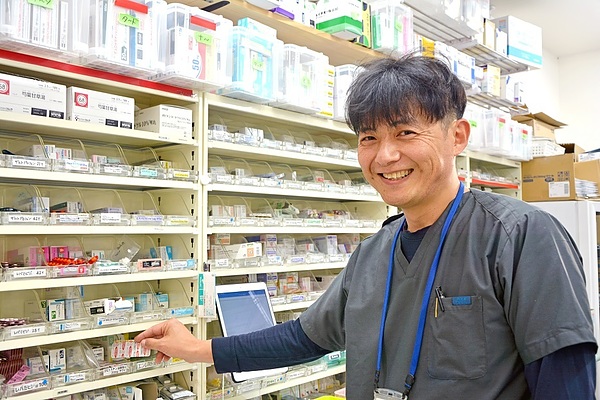
富士市富士宮市にて在宅医療に携わっている薬剤師の栗原です。
医療現場は常に「ヒヤリハット」と隣り合わせです。ほんの小さなミスが患者様に多大な影響をもたらしてしまうことがあります。それを防ぐために、日々業務改善と取り組んでいます。
業務改善は、対物の世界だけではありません。患者様との関係に関しても、ブラッシュアップして、より良い関係構築に取り組んでいます。
目次
1. Basic stance of pharmacists toward customer harassment
2. Basic ways of thinking about cust-hara
3. Customer harassment unique to home medical care
4. Facing cust-hara improves the quality of pharmacies
そこで課題として直面するのが、カスタマーハラスメント(以下、カスハラ)の問題です。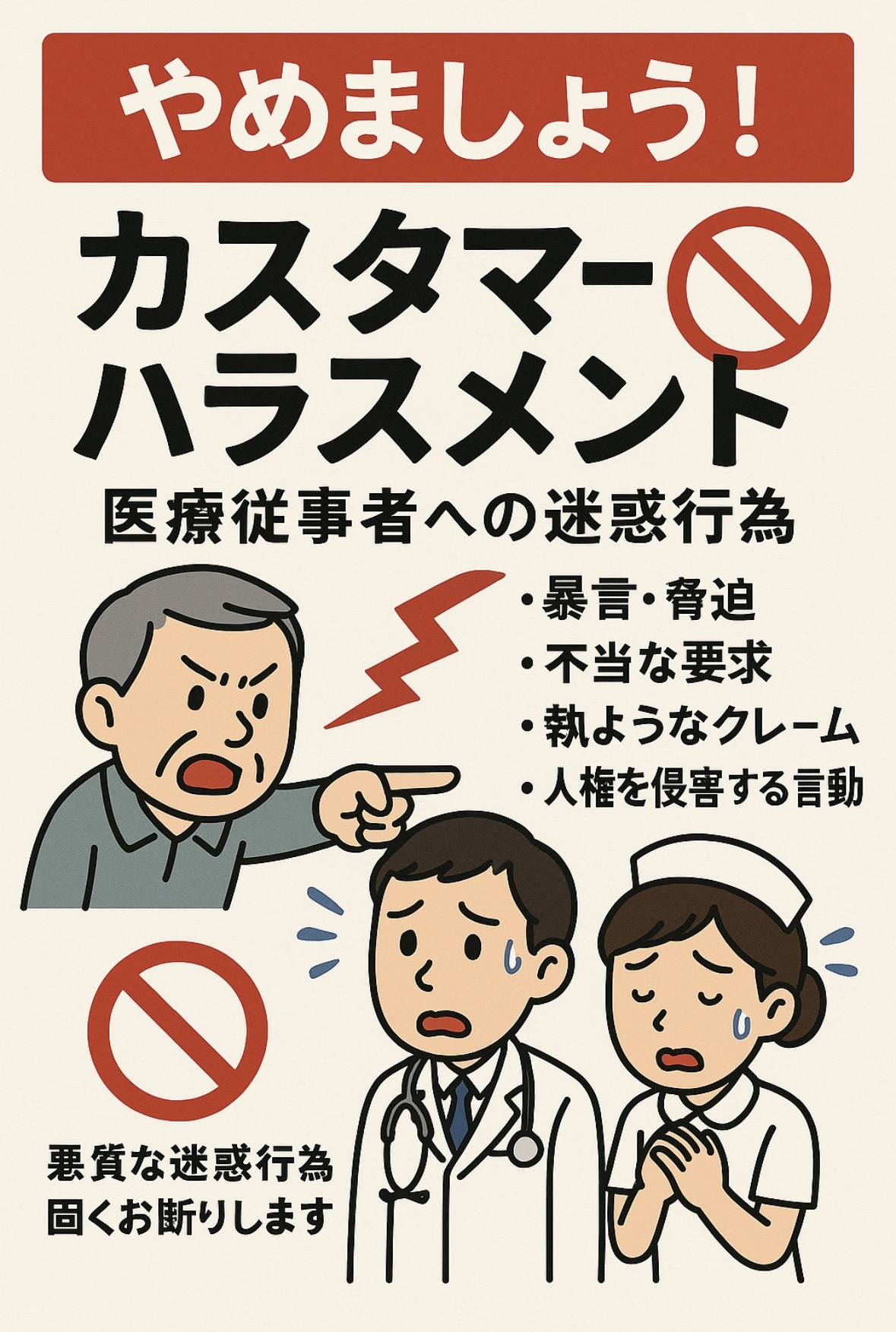
このカスハラは、現在あらゆるサービス業で問題視されています。医療業界でも同様です。厚生労働省からも、医療従事者の雇用を守り、滞りないサービスを提供するためのマニュアルが作成されています。
https://www.mhlw.go.jp/stf/seisakunitsuite/bunya/kenkou_iryou/iryou/quality/index.html#14harat
医療・福祉領域におけるカスタマーハラスメントの問題は、表面的な“クレーム”の枠に収まらない複雑さがあるといえます。
医療者は
・患者さんの生活背景
・疾患や不安
・家族状況
・医療不信
など「見えない要因」を抱えた方と日々向き合うため、通常の患者様対応とクレーマー対応とを安易に線引きすることが難しいからです。
今日はこのカスハラの問題に対して、薬局、あるいは薬剤師としてどのように取り組んでいるのかを、私どもの立場で説明させて頂きたいと思います。
⸻
1 カスタマーハラスメントに対する薬剤師の基本姿勢
急いで解決しようとしない
ハラスメントやクレームに見える行動の裏側には、患者さんや看護にあたるご家族の不安や病気、生活の困難が隠れている場合が少なくありません。介護は、それを専門とする者でも多くの配慮を必要とする問題です。まして他の仕事を抱えているご家族による介護は、相当のストレスを抱え込むものです。
そのため、まず、薬剤師として大切なのは「すぐに結論を出さず、時間と手間をかけて整理する姿勢」だと思います。
丁寧に話を聞き、必要に応じて他職種と連携することで、自然と解決へ向かうことも多くあります。
時間と手間をかけることで、状況を冷静に見つめ直して頂くことにも繋がるのです。
意図的ハラスメントには毅然と対応
厚生労働省の2023年調査では、大学病院の約20%が悪質クレームを経験したと報告されています。「暴言・高圧的要求・執拗な拘束」などがこれに該当します。
悪質性が認められる場合、
・要求を受けない
・医療安全上のリスクを説明
・必要に応じて管理者対応
など毅然さが不可欠です。
意図しないハラスメントが最も複雑
大多数は、悪気のない“意図しないハラスメント”です。
・医療不信
・認知症
・介護疲れ
・家族の混乱
・不安の高まり
これらが重なると、言動が強くなり、薬局側から「クレーマー」と感じてしまうことがあります。
この場合、薬局が提供できるサービスの基準を明確に示しつつ、相手の事情を理解する姿勢が欠かせません。
⸻
2 カスハラへの基本的な考え方
性善説で向き合うほうがトラブルは少ない
「この人は困らせるために来ているのだ」という前提で対応すると、関係は必ず悪化します。
薬剤師としては
・心身の負担
・疾患の影響
・生活環境
・過去の医療経験
を理解しながら性善説で対応するほうが、解決が早く、医療安全上も合理的であると感じます。
他職種との連携で背景が見える
ケアマネジャー・訪問看護・主治医などとの情報共有で
・家庭内の介護過重
・医療事故のトラウマ
・支援者の不足
などが明らかになることがよくあります。
単独で解決しようとせず、地域包括ケアの枠で支えることが大切と言えます。
⸻
3 在宅医療に特有のカスタマーハラスメント
夜間対応の過重負担
日本在宅医療連合学会(2023)では、**訪問医療従事者の58%が「夜間負担が大きい」**と回答されています。
もちろん、患者様の容体急変、発熱、疼痛などによる通常の夜間対応は在宅に関わる医療者として当然の対応です。
かかりつけ薬局としての働きでは、患者様の対応のために24時間の対応を行なっているため、真夜中に薬局に電話がかかって来ることは珍しくありません。一度店舗に出向き、処方箋の情報を入力し、お薬を取り揃えて自宅までお届けするのです。
しかし、通常の定期往診であっても、ご家族の事情で「19時以降に対応してほしい」と希望される場合があります。
様々な事情で仕方がない場合があることは承知ですので、臨機応変に対応させていただいていますが、医療機関対応のためにご家族の方でも時間的な負担を負っていただくことも必要です。
このような背景があるため、在宅医療に携わる医療者は慢性的な人手不足になっていると考えられます。
1人訪問のリスクとDXによる補強
訪問は可能な限り2名で行うのが理想です。何か問題が起こっても、2名であれば冷静に、客観的に問題に取り組めるからです。が、人員配置に余裕のない中小の薬局では、現実的には難しい場面もあります。
その場合、
・訪問中に店舗スタッフへ逐一情報共有
・写真付きの記録
・スマートフォンでの即時入力
など、DXによるリスク回避が重要になっています。
ふじやま薬局では、配薬するお薬カレンダーなど全て、配薬アプリで写真データとして保存しています。患者様から何か問い合わせがあった時に、写真と照らし合わせることで、疑念が晴れたり、こちら側の手違いがその場で判明することもあります。
⸻
4 カスハラに向き合うことが薬局の質を上げる
カスタマーハラスメントの問題は、医療者側にとっては負担となっている面が確かにありますが、反面、それと向かい合うことでより良い医療サービスの提供が可能となっている面もあります。
特別対応が「標準化のヒント」になる
対応が難しい患者様ほど、
・説明の分かりやすさ
・記録の精度
・情報伝達の仕組み
・チーム内共有
これらの改善ポイントの重要性が明確になります。
結果として通常の患者様に対するサービスの質も向上することが珍しくありません。
担当者変更という有効な選択肢
心理的な【相性】の問題は、確かに薬剤師にも患者様にもあります。
・説明のスタイル
・コミュニケーションの癖
・専門領域
医療従事者も人間ですから、一長一短があります。「個性」に問題があれば、可能な限り矯正(教育指導)されなければなりません。
しかし、その個性は医療従事者にとってのかけがえのない【個性】または【人格】である面もあります。
それを活かす筋道があれば、そこに活路を見出すことがとても大事だと感じます。
ただし、患者様との【相性】の問題も確実にあります。そのため、担当者を変更するだけで患者様やそのご家族との関係が改善する例は多いものです。
出来たら関係の修復が不可能になる前に、担当者を変更することで問題がなくなるようであれば、すぐに変える必要があります。
実は、そのために最も迅速かつ有効な対策は、医療従事者自身が、自分の特性や個性をよく理解し、自分に出来ること/出来ないこと、得意なこと/不得意なこと、得意な患者様/苦手な患者様を明確にしておくことだと感じます。
⸻
5 地域薬局が取り組むべき次のアクション
① 情報共有を徹底
DXを用いた即時記録・共有は、薬剤師を守り、医療安全にも寄与。
② サービス範囲の明確化
「できること」「できないこと」を事前に明示することでトラブルを防止。
③ 地域包括ケアとの連携
背景要因は薬局だけでは把握困難。多職種で支える体制づくりが重要。
④ 薬剤師のセルフケア
医療従事者の30%が“患者対応のストレス”を重大と回答(2023 医療者メンタルヘルス調査)。
薬剤師自身が疲弊しては、安全な医療は成り立ちません。
職場の人間関係だけでなく、趣味の人間関係を築いたり、社会コミュニティーへの積極参加などが、心理ストレスを軽減させることが知られています。
⸻
結び──カスハラは「医療者と患者の壁」を越えるチャンス
カスハラ対応は、薬剤師にとってただの重荷となる問題なのではありません。
- 背景を理解しようとする姿勢
- 対話を続ける忍耐
- 多職種連携
- DXの活用
- 組織としての仕組みづくり
などの取り組みを行い、これと向かい合うことで、地域医療の質を高める力になると感じます。
地域の薬局は、患者さんの生活に最も近い医療機関の1つとして、これからも在宅医療が抱え込んでいるトラブル要因に正面から向かい合い、より良いサービスの提供のために知恵を絞っていく必要があるのです。
I am Kenji Kurihara, a pharmacist engaged in home medical care in Fuji City and Fujinomiya City.
In medical settings, we are constantly working side by side with potential “near-miss” incidents. Even the smallest mistake can have a major impact on patients. To prevent this, we are engaged in continuous quality improvement every single day.
These improvements are not limited to technical or operational procedures. We also strive to refine how we relate to patients and to build better, more constructive relationships with them.
目次
1. Basic stance of pharmacists toward customer harassment
2. Basic ways of thinking about cust-hara
3. Customer harassment unique to home medical care
4. Facing cust-hara improves the quality of pharmacies
One of the key challenges we face in this process is the issue of customer harassment (hereafter, “cust-hara”).
Cust-hara has now become a serious concern across almost all service industries, and the medical field is no exception. Japan’s Ministry of Health, Labour and Welfare has produced guidelines to protect healthcare workers’ employment and to ensure the stable provision of medical services.
https://www.mhlw.go.jp/stf/seisakunitsuite/bunya/kenkou_iryou/iryou/quality/index.html#14harat
In the medical and welfare fields, the problem of customer harassment is far more complex than what we usually imagine as simple “complaints.”
Healthcare professionals interact every day with people who carry many “invisible factors,” such as:
・Their life circumstances
・Illness and health-related anxiety
・Family situations
・Distrust of the medical system
Because of this, it is not easy to draw a clear line between ordinary patient care and dealing with so-called “complainers.”
Today, I would like to explain, from our standpoint as a pharmacy and as pharmacists, how we address the issue of cust-hara.
⸻
1. Basic stance of pharmacists toward customer harassment
Do not try to resolve everything in a hurry
Behind behaviors that look like harassment or complaints, there are often hidden factors such as the anxieties and illnesses of patients or the burden and difficulties of daily life borne by family caregivers. Even for professional caregivers, these are issues that require a great deal of sensitivity. For family members who are also holding down jobs, providing care can be an enormous source of stress.
For this reason, I believe that the most important thing for pharmacists is “an attitude of not jumping to conclusions, but taking time and effort to sort things out.”
By listening carefully and coordinating with other professionals when needed, many situations naturally move toward resolution.
Respond firmly to deliberate harassment
According to a 2023 survey by the Ministry of Health, Labour and Welfare, about 20% of university hospitals reported experiencing malicious complaints, including “verbal abuse, coercive or excessive demands, and persistent harassment or intimidation.”
When malicious intent is recognized, it is essential to respond with firmness, for example by:
・Refusing unreasonable demands
・Explaining the related risks to medical safety
・Escalating the issue to management where necessary
Unintentional harassment is the most complicated
The majority of cases are actually “unintentional harassment” with no ill will.
・Distrust of medical institutions
・Dementia
・Caregiver exhaustion
・Confusion within the family
・Heightened anxiety
When these factors overlap, the person’s words and actions may become intense, and the pharmacy staff may experience them as a “chronic complainer.”
In such cases, it is essential to maintain an attitude that clearly shows the boundaries of what the pharmacy can provide, while also striving to understand the other party’s circumstances.
⸻
2. Basic ways of thinking about cust-hara
Approaching patients with a presumption of goodwill reduces conflict
If we respond with the assumption that “this person is here to cause trouble,” the relationship is guaranteed to deteriorate.
As pharmacists, I feel it is faster, and more reasonable from a medical safety perspective, to respond to patients with a presumption of goodwill—while seeking to understand their physical and mental burdens, the impact of their illness, their living environment, and their past experiences with healthcare.
Collaboration with other professions reveals the background
By sharing information with care managers, visiting nurses, and primary physicians, we often come to see issues such as:
・Excessive caregiving burdens within the home
・Trauma from past medical incidents
・Insufficient support networks
Rather than trying to solve everything alone, it is important to support patients within the framework of community-based integrated care.
⸻
3. Customer harassment unique to home medical care
The heavy burden of night-time response
According to a 2023 survey by the Japan Society for Home Healthcare Medicine,
58% of home-visit healthcare professionals answered that “night-time workload is heavy.”
Responding at night to fever, pain, and other urgent symptoms is, of course, part of our work. Community pharmacies that provide 24-hour on-call service often receive phone calls in the middle of the night. We may go to the pharmacy once, enter the prescription information, prepare the medications, and then deliver them to the patient’s home.
Even for routine home visits, some families request that we “come after 7 p.m.” because of their own circumstances.
When a family provides care at home, it is natural that the timing of medical visits will affect their burden. However, there are cases where healthcare workers are expected to adjust completely to the family’s schedule.
Because of such factors, I believe that medical professionals engaged in home care tend to suffer from chronic staff shortages.
Risks of solo visits and support through DX
Ideally, home visits should be conducted by two staff members. If a problem arises, having two people makes it easier to respond calmly and objectively. However, for small and mid-sized pharmacies with limited staffing, this is not always realistic.
In such situations, it is crucial to use digital transformation (DX) tools to reduce risk, for example:
・Sharing updates with pharmacy staff in real time during visits
・Keeping records with photos
・Entering information immediately via smartphone
At Fujiyama Pharmacy, we save all medication calendars and dispensing setups as photo data in our dispensing app. When patients or family members contact us with a concern, we can compare their situation with the photos, which often clears up doubts or reveals any mistakes on our side on the spot.
⸻
4. Facing cust-hara improves the quality of pharmacies
The issue of customer harassment is certainly a burden for healthcare workers. At the same time, facing it directly can become a driving force for providing better medical services.
Special handling offers hints for standardization
The more challenging a case is, the more clearly we recognize the importance of:
・Easy-to-understand explanations
・Accurate documentation
・Structured information flow
・Sharing information within the team
As a result, the quality of services provided to our “ordinary” patients often improves as well.
Changing the person in charge as an effective option
There are certainly issues of psychological “compatibility” on both the pharmacist’s side and the patient’s side.
・Style of explanation
・Communication habits
・Area of expertise
Healthcare professionals are human, with strengths and weaknesses. When there is a problematic aspect of someone’s “personality,” it should of course be corrected through education and guidance as much as possible.
However, that same personality can also be an irreplaceable part of the healthcare worker’s individuality or character.
If there is a way to make use of it, I feel it is very important to find a path that allows that individuality to become a strength.
That said, compatibility issues with patients certainly do exist. In many cases, simply changing the staff member in charge greatly improves the relationship with the patient and their family.
If changing the person in charge can resolve the problem—ideally before the relationship becomes irreparably damaged—then we should not hesitate to make that change.
In fact, I believe that the quickest and most effective measure is for healthcare professionals themselves to understand their own traits and individuality: what they can and cannot do, what they are good or poor at, and which types of patients they work well with and which they find difficult.
⸻
5. Next actions that community pharmacies should take
① Thorough information sharing
Real-time documentation and sharing using DX protects pharmacists and contributes to patient safety.
② Clarifying the scope of services
Clearly indicating in advance what we “can” and “cannot” do helps prevent trouble.
③ Collaboration with community-based integrated care
The underlying factors are often difficult for the pharmacy alone to grasp. Building a system in which multiple professions support the patient is essential.
④ Self-care for pharmacists
In a 2023 mental health survey of healthcare workers, 30% responded that “stress from dealing with patients” is a serious issue.
If pharmacists themselves become exhausted, safe medical care cannot be sustained.
It is known that not only healthy relationships in the workplace, but also friendships formed through hobbies and active participation in community groups, can help reduce psychological stress.
⸻
Conclusion – Cust-hara as an opportunity to bridge the gap between healthcare professionals and patients
Dealing with cust-hara is not merely a burden for pharmacists.
・A willingness to understand the patient’s background
・Patience to continue dialogue
・Collaboration among multiple professions
・Effective use of DX
・Building systems at the organizational level
By pursuing these efforts and facing the issue head-on, I believe we can actually strengthen the quality of community healthcare.
As one of the medical institutions closest to patients’ daily lives, community pharmacies must continue to confront the challenges inherent in home medical care and keep seeking creative ways to provide safer, higher-quality services.