


TikTokデビュー^_^
富士市富士宮市にて在宅医療に携わっている薬剤師の栗原です。
最近は人工AI知能を活用した働き方がどんどん進んでいます。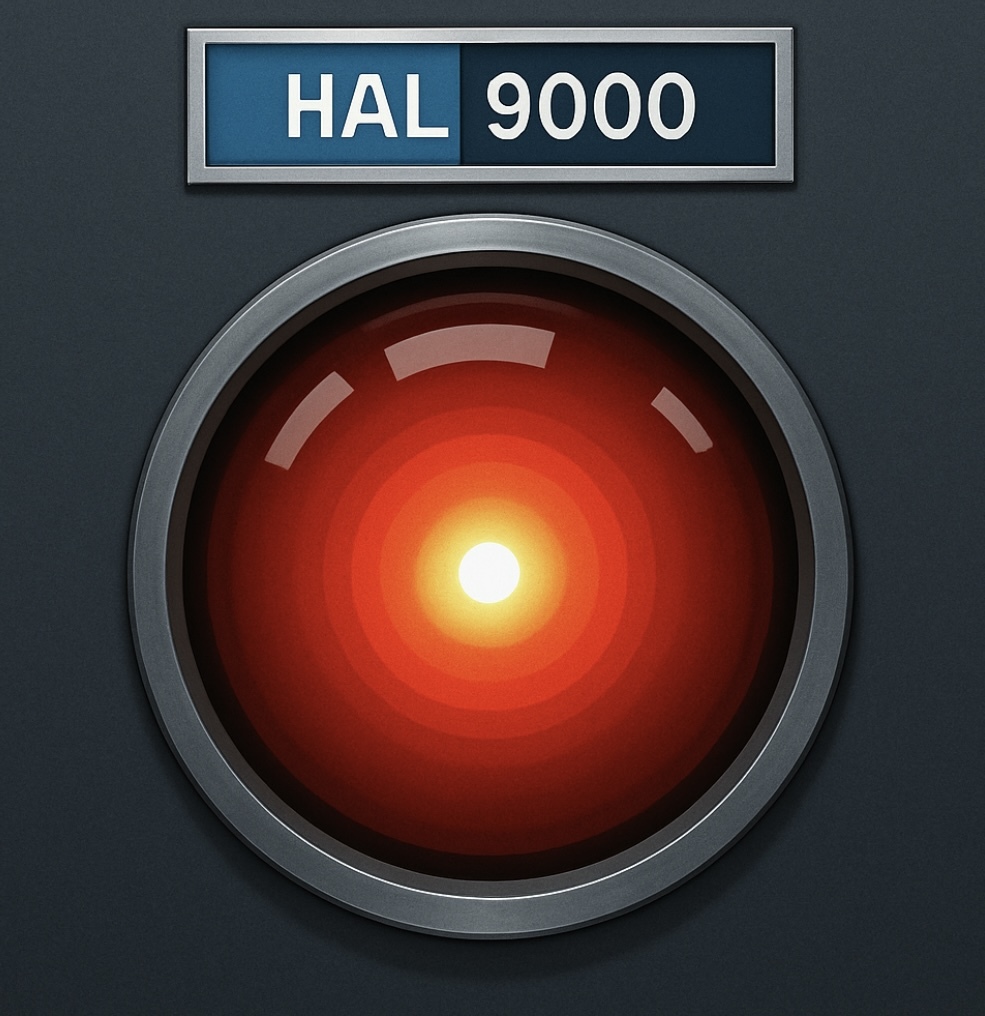
AIの存在は無視できない
かつては私などは薬局という場所にAIはあまり関係ないのではないかと感じていました。導入されるとしても局部的にだけだろう。結局は人間の手が仕事をしなければならない、と。
最初はほんの小さなことから。たとえばお薬のシートのバーコードを読み取るということに始まり、患者様にお薬を投薬した記録を取る薬歴も、今やAIの働きなしには考えられなくなってきました。
人工知能の優れたところ
人工知能は人間よりも優れたところが多くあります。
何より、疲れ知らず。人間は疲れてしまうと、ミスも犯す可能性が高くなる。だけどAIは、疲れることがない。強いて言えば、負担が多くなると誤作動を犯してしまう。でもそれも、一度電源を落としてしまえば元通り。
疲れがないので、昼休憩もいらない。わたしらは働き方改革で昼休憩を取らないといけないけど、一度緊張の糸を切ってしまうと、元のパフォーマンスに戻るのに1時間くらいかかってしまう・・。
判断力もかなりの正確性を持つ。一度プログラムに組み込んでしまえば、その点をスルーしてしまうことはほとんどない。だけど人間は忘れてしまう。新しいお薬が出てきたとき、学び直す必要があるが、AIは一度データを打ち込んでしまえばそれまで。
AIの登場で、人間の労働力の必要性が低くなってしまうと言われることもあります。ですが今のところ、AIに任される部分は任せてしまえば、あとは、これまでやりたくてもやらなかったことに前向きに取り組めるようになる。
AIの問題
でも、問題は、AIというのは大変優秀なやつだけど、人間の脳が処理している創造的な働きとの比較については、まだ劣っているということにあります。多くのデータから、あるまとまった考えやデータを集めることは得意であるとしても、与えられたデータを分析し、必要なデータを付け加えたり、逆に不必要なものを削除したりすることに関しては、まだまだ人間の脳の機能の方に軍配が上がるようです。
特に、情報をインプットして、それを解釈して、言語化することは、感覚器官をもつ人間の専売特許。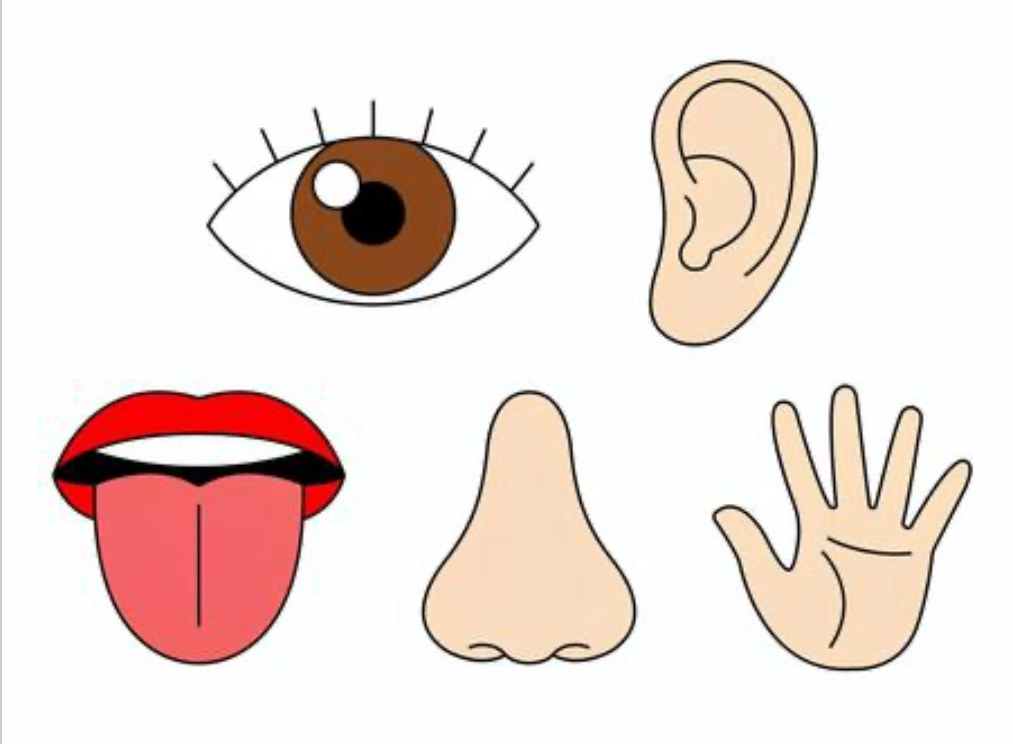
それと似たは働きをするとしても、それはすでに人間の感覚器官がとらえたデータを集めているに過ぎない。ジャーナリスト、新聞記者、あるいは研究者が、一次情報、つまり事実に一番近い情報やデータを集めることにおいて大きな働きをしているのに対して、AIは全くと言っていいほど機能していないのではないか。
写真で植物を写して、それをデータ解析して、それが何の植物かを解読するAIなどはあります。
でも、それは既存のデータと照らし合わせているだけ。既存のデータにないものは切って捨てている。つまり一次情報は、巨大データというフィルターによって削除されている。
人間は「感覚器官」を持つ
けれど人間の感覚は、むしろ「それまで体験したことがないようなもの」に魅了される。もしかしたら、かつて経験したことがあるのかもしれない。だけどそれを超えたものがそこにあるかどうか?それに人の興味や関心は向かっていく。
目の前に患者様がやってこられたとして、その身振り手振り、歩き方、喋り方、伝達の仕方、表情など、薬剤師が薬局の窓口で受け取る情報の源は多い。それらを全体的に、総合的に受け取って、そこから、何がしかの結論を導き出す。そういうことは、情報のインプットに関して受け手であるAIには今のところ無理でしょう。
あるいは『2021宇宙の旅』に出てくるスーパコンピューターの「ハル」の「目の玉」のように、何かしらの目の前の、見たこともない出来事に対して、反応したり考え事をしたりするようなAIも、そのうち登場するかもしれない。でもそれは、AIが哲学をするようなもの。反芻して、自ら検証して、別な見解の提案を行う・・。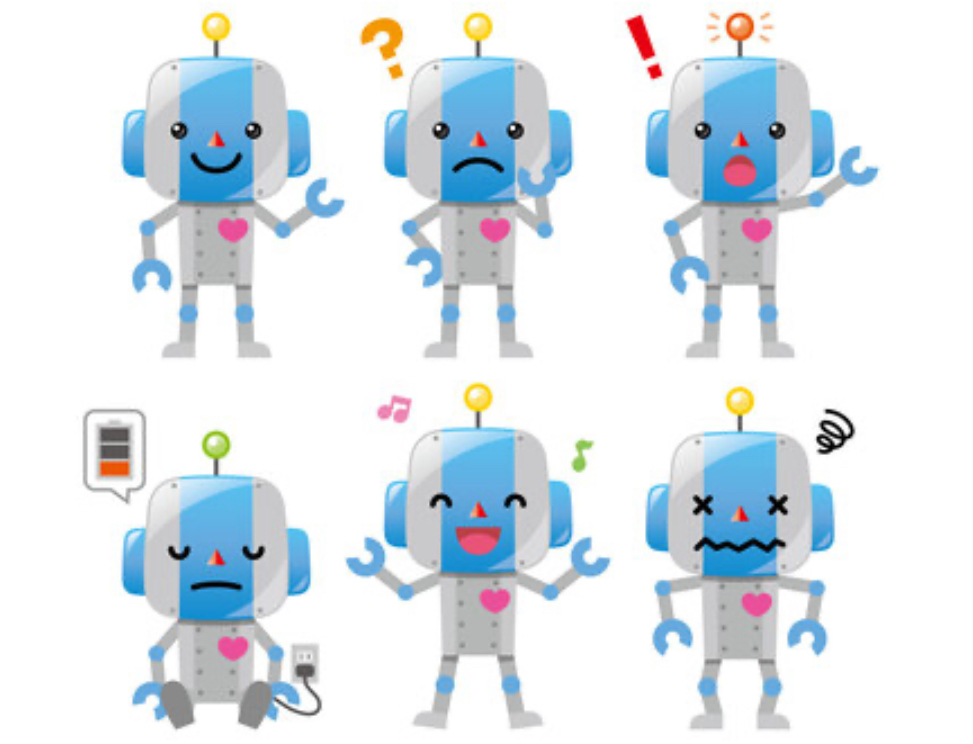
果たして「良いAIとは?
先日は海外で、AIとの対話の中で、当事者が元来持っていた妄想傾向がAIによって強化され、結果として悲惨な出来事が起こり、AIを作成した会社がプログラムを修正するという出来事が起こりました。
https://news.yahoo.co.jp/expert/articles/7cc38b7d7cb2f3e2ec283295ad99d5228122694e
chatGPTのようなLLMが「人間の助け手」として、より幅を効かせようとした時、結果として人間にとって良い友人ではあり得なくなってしまった・・。結果として一世代前の、不器用でら少し役立たずな、それゆえに人間にとって付き合いやすいバージョンのAIに戻す人たちも出てきてしまった。
AIは『スタートレック』のスポックや『スターウォーズ』のC3-POのように、人間にとって善良な友であり続けることができるのか?それとも人間の手に余る暴走装置になり変わるのか?はたして人工知能はいかにあるべきか?という点において、しかるべき新しいアンドロイドの倫理が求められているよ
うに思う。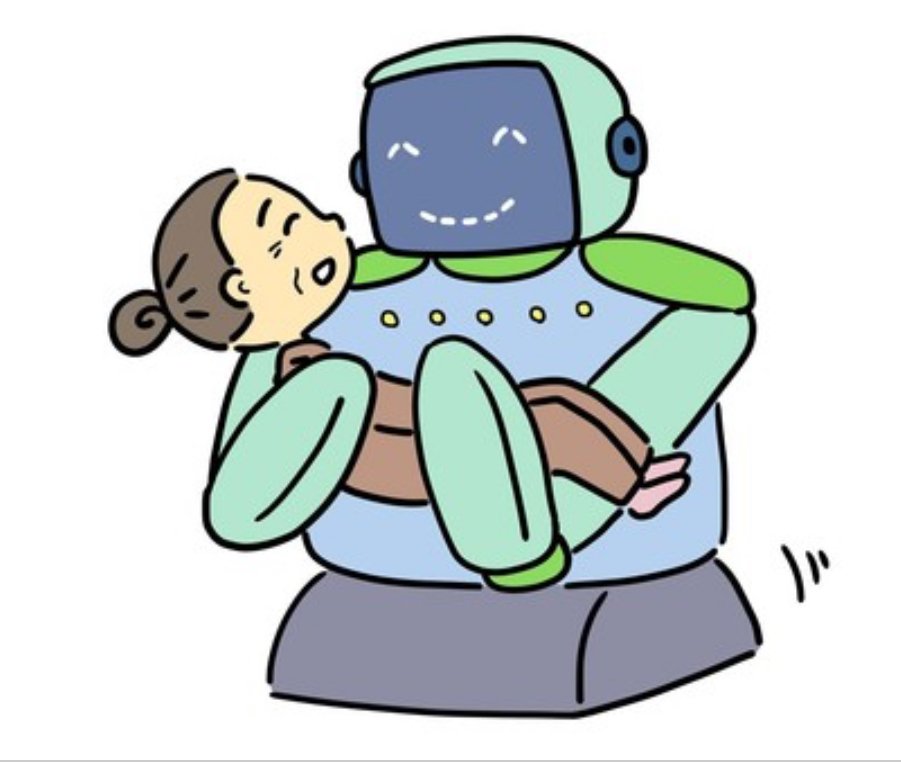
I’m Kurihara, a pharmacist engaged in home medical care in Fuji City and Fujinomiya City.
Recently, the use of artificial intelligence (AI) in the workplace has been accelerating.
AI’s Presence Can No Longer Be Ignored
In the past, I used to think that AI had little to do with pharmacies. Even if introduced, it would only be in a very limited capacity. After all, I believed that human hands would ultimately be required to get the work done.
But it all started with small things. For instance, scanning the barcodes on medication blister packs. Now, even the recording of medication history for patients has become unthinkable without the assistance of AI.
Advantages of Artificial Intelligence
AI has many advantages over humans.
Above all, it is tireless. When humans become fatigued, the risk of making mistakes increases. But AI does not get tired. At most, if it’s overloaded, it may malfunction—but even then, restarting it usually solves the problem.
Since it doesn’t get tired, it doesn’t need lunch breaks. While we are required to take breaks due to work style reforms, once we mentally “power down,” it can take up to an hour to return to our original level of performance…
Its judgment is also remarkably accurate. Once a rule or decision-making process is programmed, it rarely overlooks it. Humans, on the other hand, forget. When a new medication is released, we need to relearn. But once AI has the data, that’s the end of it.
Some argue that the rise of AI will reduce the need for human labor. However, for now, if we let AI handle what it can, we are free to take on the tasks we’ve always wanted to do but couldn’t.
Problems with AI
However, the issue is that while AI is extremely capable, it still falls short when compared to the creative functions of the human brain. Even if it excels at gathering large amounts of data and organizing it into coherent information, when it comes to analyzing data, adding necessary elements, or removing unnecessary ones, the human brain still has the upper hand.
Especially when it comes to inputting information, interpreting it, and verbalizing it—this is still the exclusive domain of humans with sensory organs.
Even if AI performs similarly, it is only compiling data originally captured through human sensory experience. Journalists, reporters, and researchers all play vital roles in collecting primary information—facts closest to the truth. In contrast, AI barely functions in this area.
There are AI systems that can analyze photos of plants and identify the species.
But that’s only by comparing to existing data. Anything outside that data is discarded. In other words, primary information is filtered out by massive datasets.
Humans Have “Sensory Organs”
However, human senses are often captivated by things we’ve never experienced before. Perhaps we’ve seen something similar before—but is there something beyond that? That’s what draws human interest and curiosity.
When a patient comes to the counter, there are many sources of information the pharmacist receives: their gestures, the way they walk, speak, communicate, and their facial expressions. All of these are received holistically and interpreted collectively to draw conclusions. This kind of input processing is currently beyond the capacity of AI.
Maybe someday we’ll see AI like HAL, the supercomputer from 2001: A Space Odyssey, with its iconic “red eye,” reacting to or contemplating unfamiliar situations. But that would be AI engaging in philosophy—ruminating, self-examining, and proposing alternative perspectives…
What Makes a “Good AI”?
Recently, there was a tragic incident overseas in which an individual’s delusional tendencies were amplified through interactions with AI, ultimately resulting in a catastrophic outcome. This led the company behind the AI to revise the program.
https://news.yahoo.co.jp/expert/articles/7cc38b7d7cb2f3e2ec283295ad99d5228122694e
When LLMs like ChatGPT aim to become more dominant as “helpers to humans,” the result may be that they can no longer serve as good companions for humans. Some users have even reverted to previous generations of less capable—but more manageable—versions of AI.
Can AI remain a benevolent friend to humans, like Spock from Star Trek or C-3PO from Star Wars?
Or will it transform into an uncontrollable runaway machine?
As we ponder what AI should truly be, it seems a new ethical framework for androids is becoming essential.