


湿度は熱中症を引き起こす隠された要因です
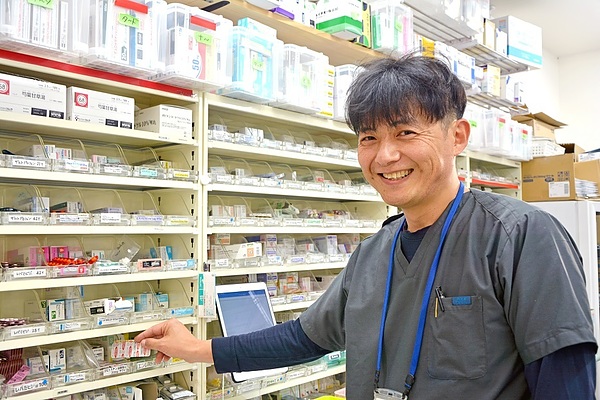
富士市富士宮市にて在宅医療に携わっている薬剤師の栗原です。
今日は富士登山に使える医薬品ならびに医薬部外品について薬剤師の立場から紹介させていただきたいと思います。
最低限、登山の際に「こういうお薬がある」ということを知っていただきたいと思ったことと、服用方法については実際にみなさまの方で近郊のドラッグストアや薬店で指導を受けていただきたいため最低限の紹介にとどめたいと思います。
目次
II. The Appeal and Risks of Mountain Climbing
Ⅲ. Medicines Useful for Climbing
Ⅰ.富士登山
富士登山の期間は毎年、夏の間の2ヶ月間。2025年度は9/10までとなっています。日本の歴史、文化、精神史にとって「最重要」とも言える富士山には、日本人でなくても一度は登ってみたいと思うもの。現在は多くの外国人の方々が押しかけています。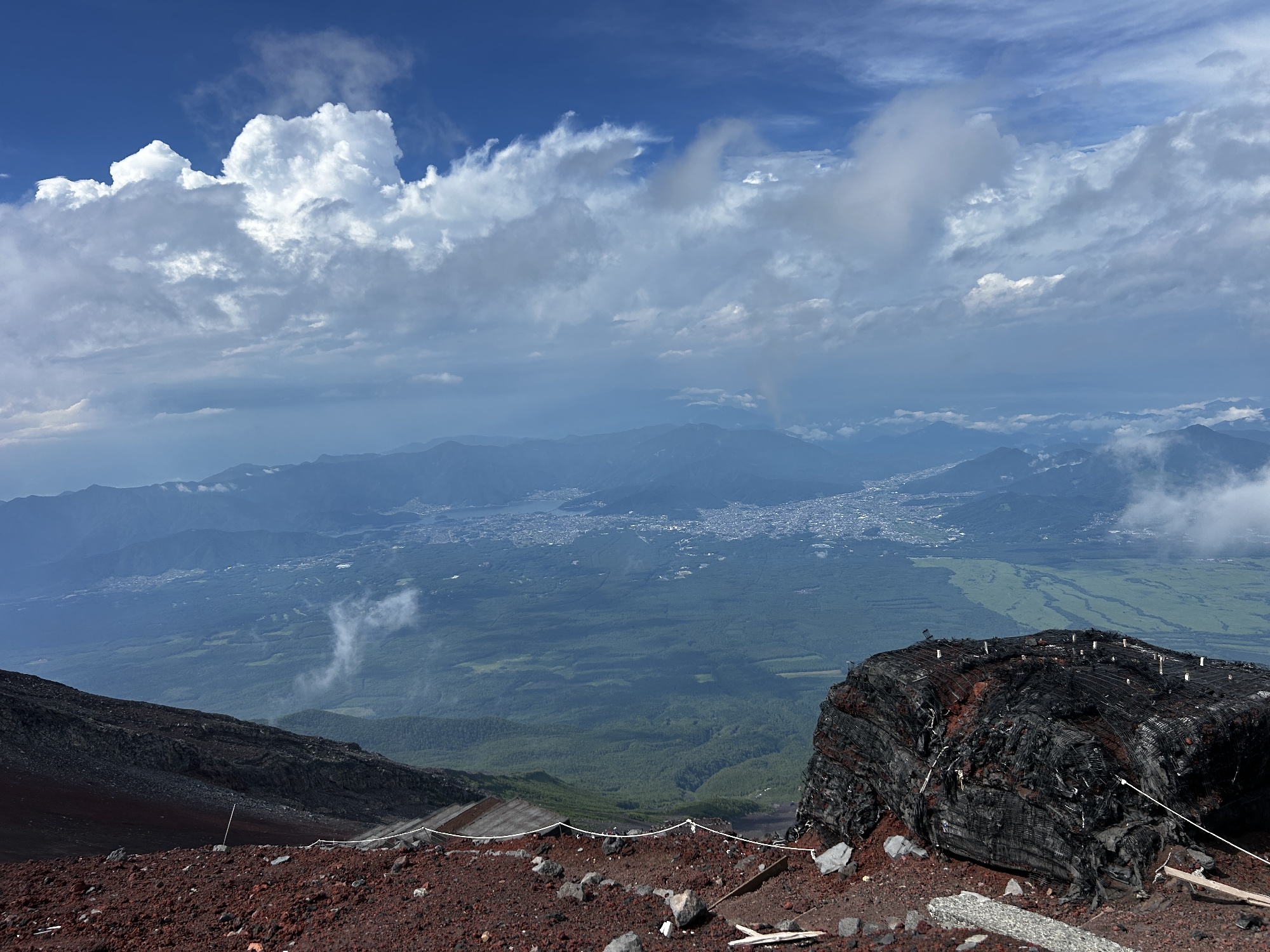
II.登山の魅力と危険性
登山は、日常に刺激をもたらす冒険であると同時に自己の修練の機会でもあります。リスクは伴うものの、この情報化の時代では、スマホをうまく活用すれば手軽に多くの情報が集まるため、昔に比べはるかに親しみやすくなっています。
たとえば私も富士登山に際して、「富士山」というアプリを活用しました。これは富士山の各ルートを、自分の現在地を確認しつつ進める大変有効なアプリです。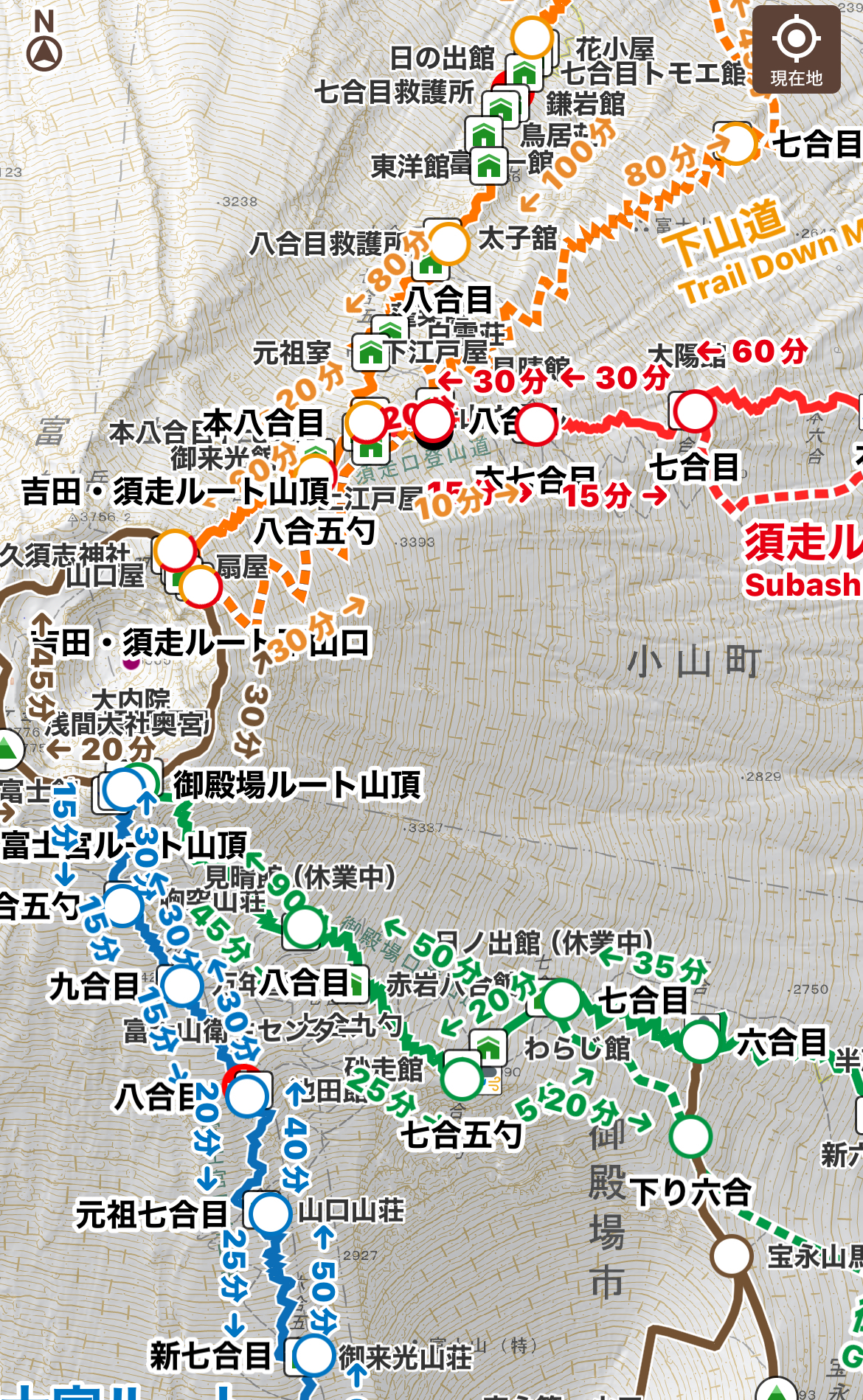
でもそこは非日常世界。
インターネット上の情報を頼りにしていても、思わぬ気候変動の影響が入り込むもの。足を踏み外してしまえば予期せぬ怪我に見舞われてしまうこともあります。
そこで今日は、登山に使える医薬品ならびに医薬部外品について、いくつか代表的なものを取り上げさせていただきたいと思います。
Ⅲ.登山で使える医薬品
1)痛み止めの内服薬
まず一つ目は、登山に使える医薬品として第一に取り上げる価値のあるものとして「痛み止め」があります。足を挫いたり、高山病による頭痛が襲った時、痛み止めほど有効性のあるお薬はないでしょう。
痛み止めと言いましても、その働き方は幾つかの違いがあります。
①カロナール錠、イププロフェン錠
痛みがあっても、脳内にある痛みを捉える感覚を鈍化してくれるカロナール錠(アセトアミノフェン)やイブプロフェン錠は、幼児用にも汎用されるお薬ということもあり、最も親しみやすい痛み止め。これは解熱の効果も持つため、感冒症状にも手軽に用いることのできるお薬となっています。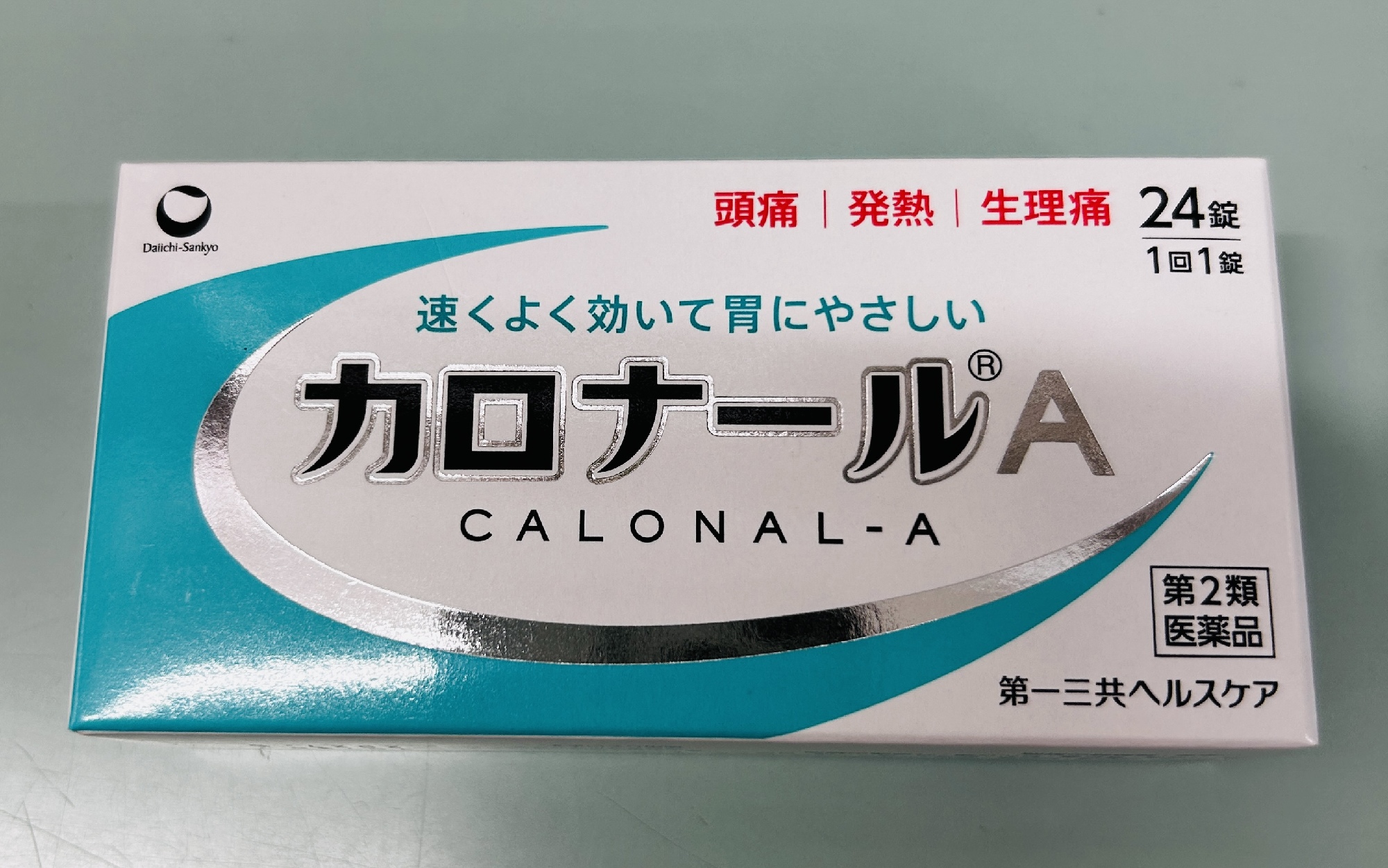
ドラッグストアで薬剤師や登録販売員から購入することが可能です。
気をつけないといけない点は、これを飲み過ぎると肝臓に負担がかかり肝機能を低下させることがあること。飲み過ぎ、用法用量を守らない服薬方法などには気をつけなければなりません。
②ロキソニン錠
ロキソニン錠も、多くの人が汎用している痛み止めとして知られています。頭痛薬として常備している方も多いでしょう。ロキソニンは、カロナールと違って、痛みを生じている患部に直接作用して、痛みの原因となるプロスタグランジンという体内物質の発生を抑制してくれる痛み止めとなっています。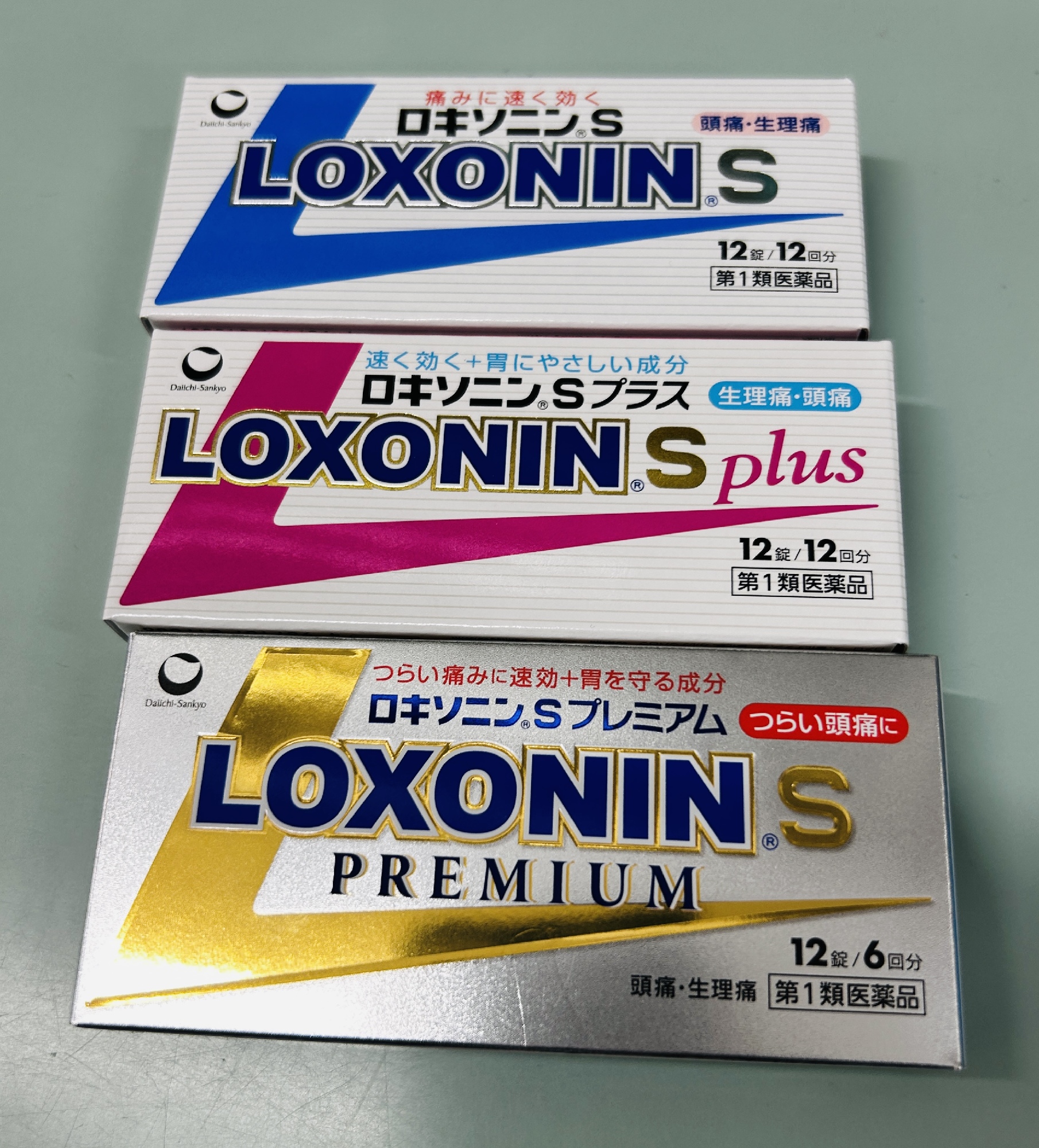
これもドラッグストアで購入可能です。
患部の炎症そのものの悪化を防いでくれることもあり、捻挫、打撲、骨折、筋肉痛などに効果を発揮します。
副作用として胃腸障害が知られているため、普段から胃薬を服用しているような人に関しては服用に注意が必要です。用法用量を守らないと、腎機能の低下をもたらすことで知られています。
腎臓は血液を濾過して、老廃物を尿という形で体外に放出する器官ですが、ロキソニンはこの働きを抑制します。よって、この働きを逆に利用して、長距離ランナーや運動選手が大会参加時に、緊張による頻尿対策に服用する人も少なくありません。ただしこの飲み方は通常の服用方法ではないため、服用に関して薬剤師に一度相談することをお勧めします。
2)高山病対策として
登山といえば、高山病。高い山地は大気中の酸素濃度が低いため低酸素症状を引き起こしやすくなります。
特に頭痛や眩暈を特徴とする症例です。酸素は脳細胞の働きに不可欠なものですが、これが不足することで無理に脳血管は広がろうとします。その結果として血管の内皮細胞に隙間が生じ、血液中の水分が血管外に流れ出し脳内の浮腫を生じさせるのです。
この高山病に効果的なお薬としてはダイアモックス(アセタゾラミド)やデカドロン錠「デキサメタゾン錠)が知られています。
①ダイアモックス錠(アセタゾラミド)
ダイアモックス錠は利尿剤として知られていますが、尿を排泄する作用の中で血液を酸性に傾けます。これが呼吸中枢を刺激して、呼吸を深くすることで、低酸素症を予防すると考えられています。
②デカドロン錠
デカドロン錠は、血管内の炎症を引き起こす体内物質の発現を抑制することで脳浮腫の症状を軽減させてくれることが期待できます。
ただしダイアモックス錠とデカドロン錠は医師から処方してもらう必要がある上に、保険を使うことができないため、全く自費による購入となります。数千円は覚悟しなければなりません。
服用方法についても、どの時点で服用するのか(たとえば予報的に飲むのか、それとも症状が出た時に飲むのか)、薬剤師から直接指導を受けていただく必要があります。
加えて、ダイアモックスはそもそもが利尿剤であることから分かるように、利尿作用を持つため、登山中に使うと脱水症状をもたらす原因にもなります。
デカドロンも、体のむくみ、不調、悪心をもたらすことも知られているため、これらのお薬が高山病対策として万能であるわけではないことをご承知おきいただきたい。
Ⅳ.登山で使える医薬部外品
筋肉痛や打撲、捻挫など、登山中にしばしば見舞われる事態に関しては上記の内服薬が有効ですが、その他、外用薬としては以下が挙げられます。
1)外用テープ剤
ロキソニンテープやケトプロフェンテープなどの疼痛を抑える湿布剤は、もしも登山中に一晩、夜を山小屋やテントで過ごす時などにはとても有効です。患部に直接作用するため、内服薬よりも副作用は少ない。ただし、運動中は汗をかくため、湿布剤は発疹の原因にもなります。貼っていることを忘れてしまってそのまま過ごしてしまうと、処置の必要な薬疹の原因となることも稀ではありません。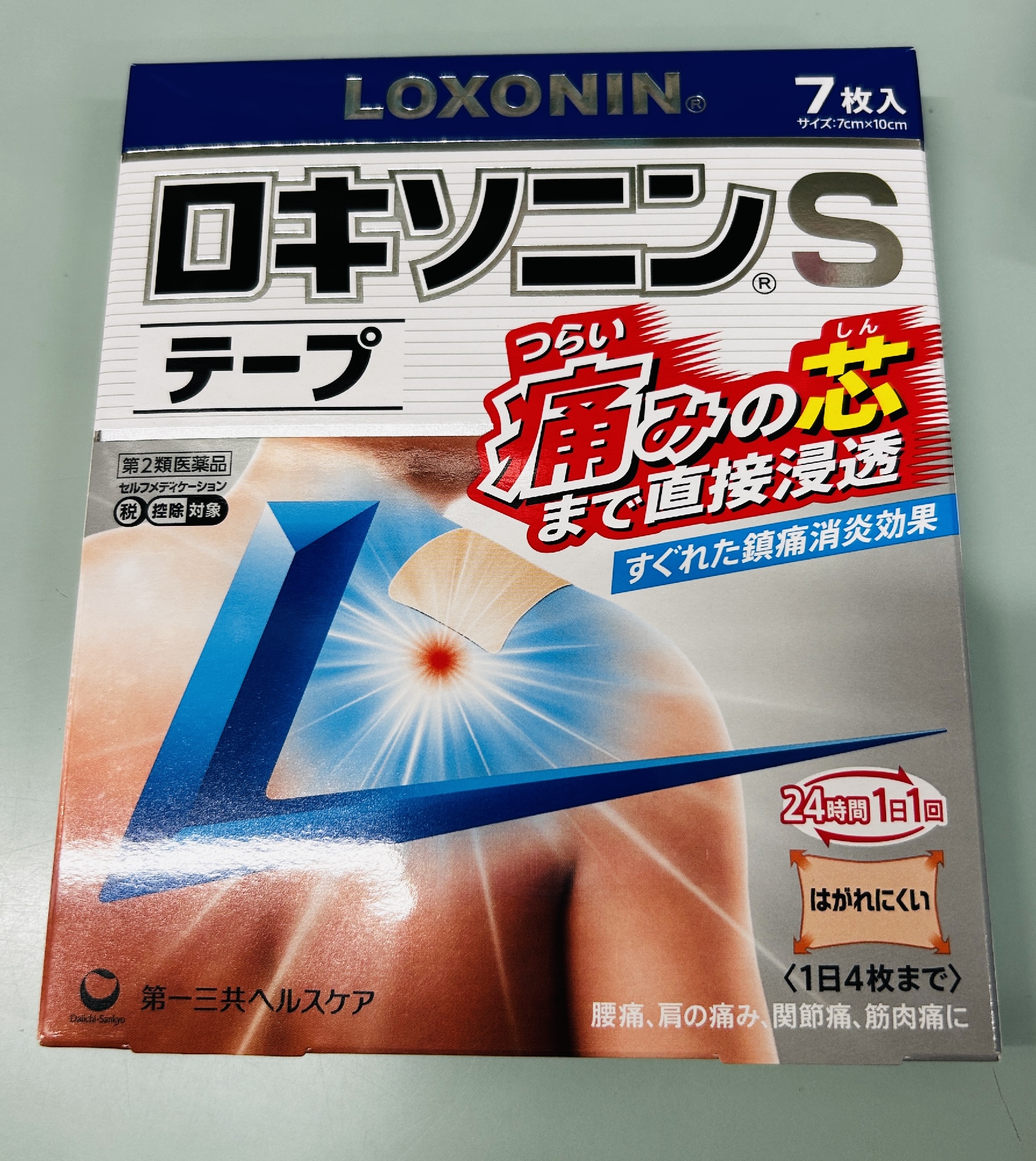
2)サポーター、テーピングテープ
医薬「部外品」としては、膝や肘に用いることの出来るサポーターやテーピングテープが有効です。痛めた部位にどのようにテーピングすれば良いかについても、スマホ(とその充電)があれば、その場で相応しい活用方法を知ることもできるでしょう。
3)軟膏剤
ブヨや蜂などに刺されてしまった時には、抗炎症作用(ステロイド)の成分の入った軟膏剤を持っていくことが有効です(お近くのドラッグストアや薬店でお問い合わせください)。
また登山中の切り傷には化膿に繋がる症状が多いものです。その場合、抗生剤の入った軟膏を持参することが大切です。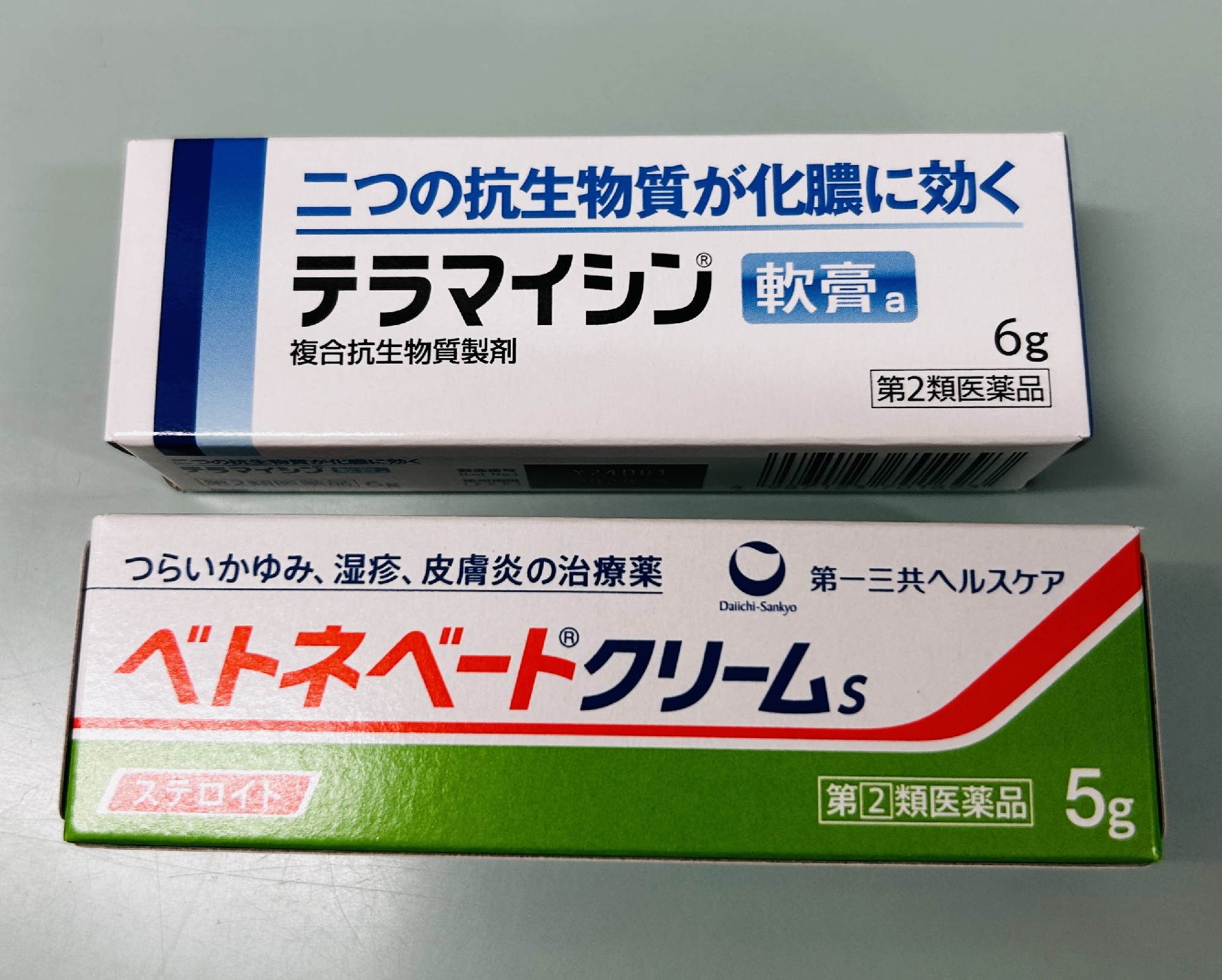
炎症を抑える軟膏か?それとも抗生剤の入った軟膏か?この点で症状により使い方を間違えると、かえって逆効果なこともあるため、購入の際に薬剤師や登録販売者に、具体的な使用方法(どのような怪我にどのように使うのか?また別な症状の場合は代わりにどのような軟膏を使うか?など)確認することをお勧めします。
4)使い慣れた絆創膏、ガーゼ、サージカルテープなど
傷、怪我が生じた際の絆創膏、テープ剤、消毒済みガーゼとそれを固定するサージカルテープなどは登山時には必ず携帯しましょう。特に普段から使い慣れたものを所持することが有効です。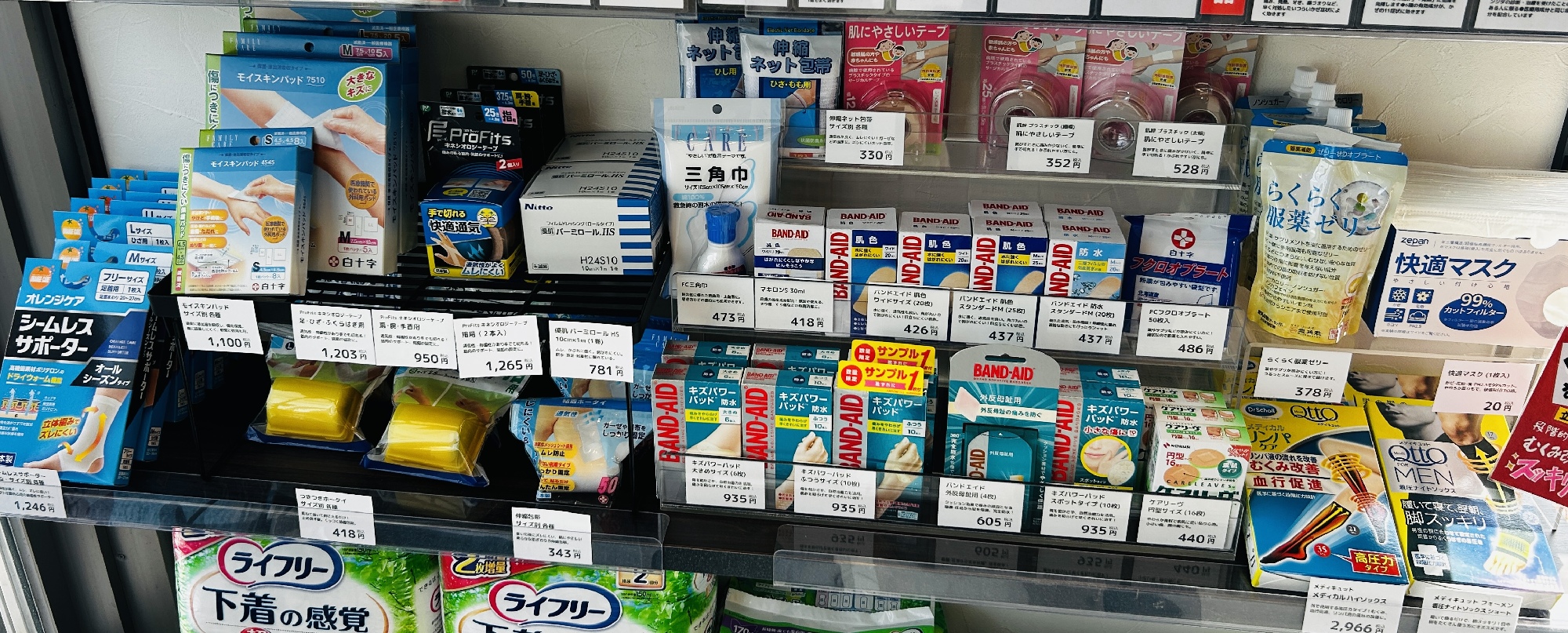
5)その他
これは医薬部外品には該当しませんが、正しい使用法を用いれば経口補水液の摂取もとても有効です。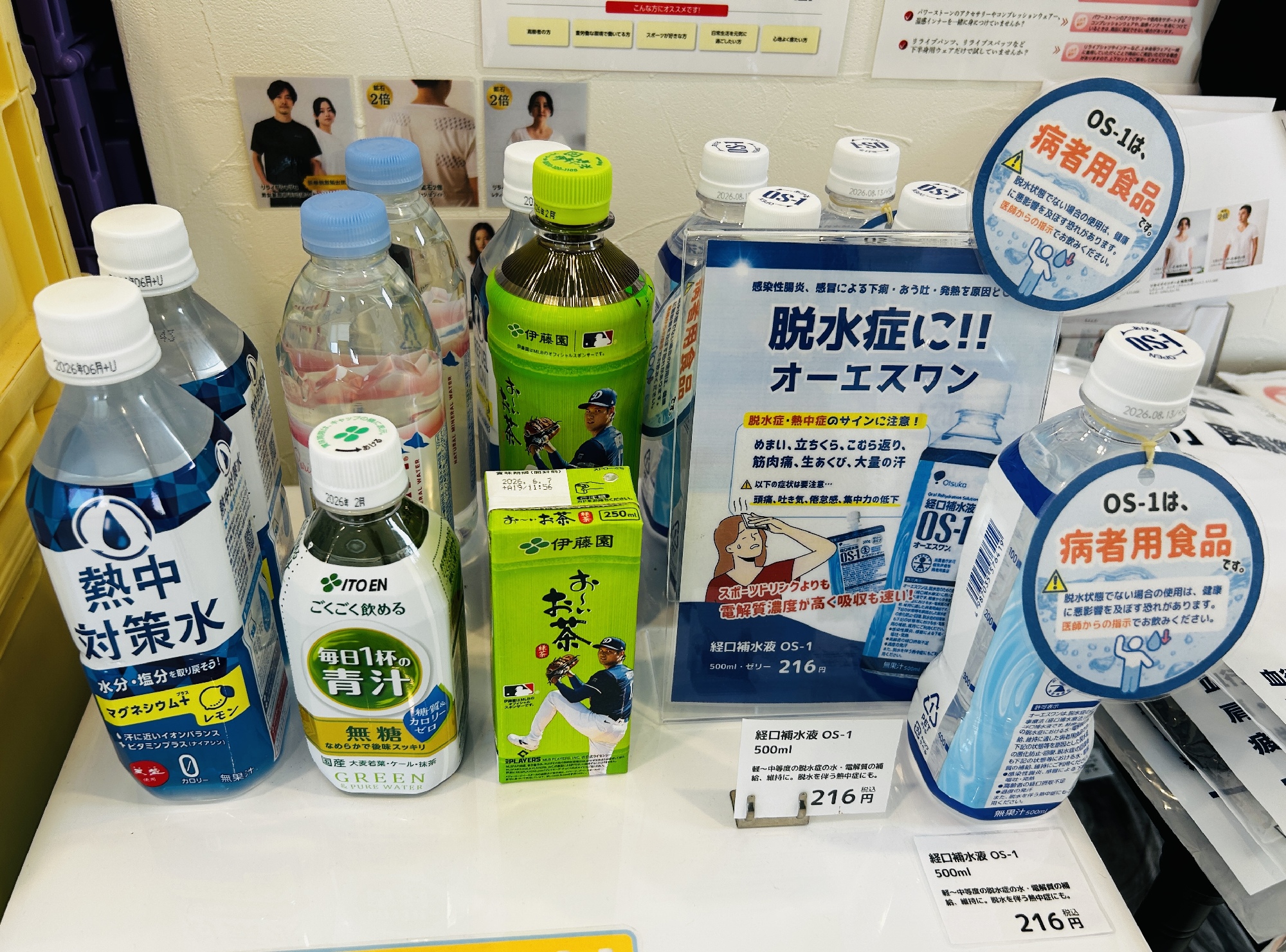
経口補水液は飲むと直接に胃から体に吸収されるため、発汗によって失われたミネラルを迅速に体に取り込むことが可能です。原爆の投下された広島で、味噌汁を飲んだ人は助かったという話がありますが、実は味噌汁のミネラルバランスがこの経口補水液に非常に近いことが知られています。
ただし摂取方法には少し注意が必要です。普段の状態でお水の代わりのように飲んでしまうと、急に体内の水分量が増えてしまうため、逆に体から水分を排出するためにお腹が緩くなることが知られています。このような背景から、現在、ドラッグストアなど経口補水液を取り扱う販売店では、摂取方法について注意喚起がされるようになってきた。
登山では水分補給を心がける必要がありますが、通常は、お水を定期的に少量、口を注ぐ程度の量摂取していくことがおすすめです。一度体内から水分が失われると、元の状態に戻すために時間がかかります。お腹の調子が悪くなったり気分が悪くなったり頭痛が生じるなどの影響が出るのです。
Ⅴ.登山を楽しむための心得
登山中の疾病、怪我に対して、一般的に保持が可能な医薬品ならびに医薬部外品で対応することは、あくまでも緊急時の対応に過ぎません。怪我や症例の程度を的確に判断し、無理のない登山を楽しむことが大事です。非日常の世界だからこそ、普段であれば出来る判断もできなくなることが知られています。
最近はYouTubeでも、悲劇的な登山事故の事例を取り上げて、どうしてその事故が起こってしまったのかを冷静に分析してくれている番組が散見されます。
https://youtu.be/XudfNoWPBbY
登山は人間の弱さがよく現れます。登山者一人一人の性格、気質、計画性、危機管理の能力など、さまざまな面が問われるスポーツであるとも言えます。
決して医薬品の力に頼ることなく、楽しい登山ライフを楽しんでいただきたいと願っています。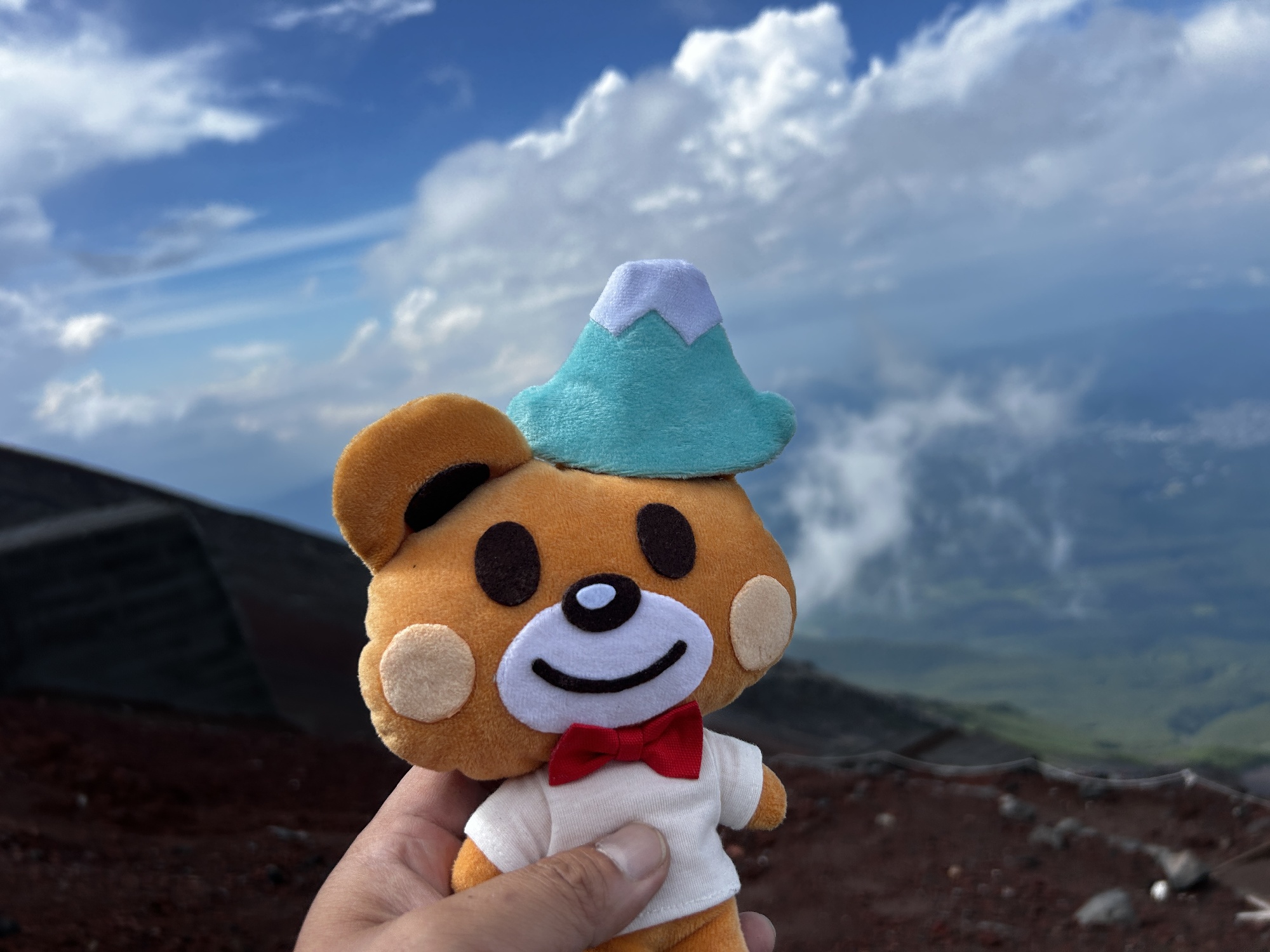
I’m Kurihara, a pharmacist involved in home medical care in Fuji City and Fujinomiya City.
Today, from a pharmacist’s perspective, I’d like to introduce some medicines and quasi-drugs that can be useful for climbing Mt. Fuji.
At the very least, I’d like climbers to know that “such medicines exist.”
As for how to take them, I hope each of you will receive guidance at a nearby drugstore or pharmacy.
Therefore, I’ll keep this to a minimal introduction.
目次
II. The Appeal and Risks of Mountain Climbing
Ⅲ. Medicines Useful for Climbing
Ⅰ. Mt. Fuji Climbing
The Mt. Fuji climbing season is every year during the two summer months. For 2025, it lasts until September 10.
Mt. Fuji is of “the utmost importance” to Japanese history, culture, and spiritual heritage, and many people—including foreigners—feel they must climb it at least once. Today, countless international visitors are making the ascent.
II. The Appeal and Risks of Mountain Climbing
Climbing is both an adventure that stimulates daily life and an opportunity for self-discipline.
Although it carries risks, in this age of information technology, smartphones make it easy to gather useful knowledge, making climbing far more approachable than in the past.
For example, when I climbed Mt. Fuji, I used the app “Mt. Fuji”, which shows each route and helps confirm your current location—a very useful tool.
But remember, climbing is a non-routine world.
Even with internet-based information, sudden weather changes or a misstep can cause unexpected injuries.
That’s why today I will introduce medicines and quasi-drugs that can be useful in mountain climbing.
Ⅲ. Medicines Useful for Climbing
1) Oral Pain Relievers
First, the most valuable medicines to bring are pain relievers.
Whether from a twisted ankle or a headache due to altitude sickness, pain relievers are indispensable.
Pain relievers differ in how they work:
① Calonal Tablets, Ibuprofen Tablets
Calonal (Acetaminophen) and Ibuprofen dull the brain’s perception of pain. Widely used even for children, these are the most familiar pain relievers.
They also reduce fever and can be easily used for colds.
They are available at drugstores from pharmacists or registered sales clerks.
Be careful: overuse burdens the liver and may impair its function. Do not exceed the dosage or frequency.
② Loxonin Tablets
Loxonin tablets are also widely used and well-known as pain relievers. Many people keep them as headache medicine. Unlike acetaminophen, Loxonin acts directly at the pain site, suppressing the body’s production of prostaglandins—the substances that cause pain and inflammation.
These too are available at drugstores.
They help prevent worsening of inflammation itself, making them effective for sprains, bruises, fractures, and muscle pain.
However, they are known to cause gastrointestinal side effects, so those who already take stomach medicine should use them with caution. If misused, they may impair kidney function.
The kidneys filter blood and excrete waste as urine, but Loxonin suppresses this function. Some long-distance runners or athletes even use this effect to reduce frequent urination from pre-race nervousness. However, since this is not a standard use, consult a pharmacist before considering it.
2) Countermeasures Against Altitude Sickness
Speaking of mountain climbing, altitude sickness is always a concern. High altitudes have lower oxygen concentrations, making hypoxia more likely.
Typical symptoms include headache and dizziness. Oxygen is vital for brain cells. When oxygen is scarce, cerebral blood vessels expand to compensate, causing gaps in the vascular lining. This allows fluid to leak into brain tissue, leading to swelling.
Medicines effective for altitude sickness include Diamox (Acetazolamide) and Decadron (Dexamethasone).
① Diamox (Acetazolamide)
Diamox is known as a diuretic, but in increasing urine output, it also makes blood more acidic. This stimulates the respiratory center, deepening breathing and preventing hypoxia.
② Decadron (Dexamethasone)
Decadron suppresses the substances in the body that trigger vascular inflammation, reducing brain swelling symptoms.
Please note that when it comes to how to take these medications—specifically, at what point to take them (for example, whether to take them prophylactically or only after symptoms appear)—[太字]you need to receive direct guidance from a pharmacist.[/太字]
In addition, as you can tell from the fact that Diamox is originally a diuretic, [太字]its diuretic effect can cause dehydration if used during mountain climbing.[/太字]
Dexamethasone is also known to [太字]cause swelling, discomfort, and nausea,[/太字] so please be aware that these medicines are not all-purpose solutions for altitude sickness.
Ⅳ. Quasi-Drugs Useful for Climbing
Oral drugs are effective for pain or altitude sickness, but for external use, the following can also help:
1) External Pain-Relief Patches
Loxonin patches or Ketoprofen patches can be effective when spending a night in a mountain hut or tent. Acting directly on the site, they cause fewer systemic side effects than oral drugs. However, sweating during exercise may cause rashes. Forgetting to remove them can also lead to drug rashes requiring treatment.
2) Supporters and Taping Tape
As quasi-drugs, supporters and taping tape for knees or elbows can be effective. With a smartphone (and a charger), you can even check taping methods on the spot.
3) Ointments
If bitten by gnats or bees, ointments with anti-inflammatory (steroid) ingredients are useful (ask your local drugstore or pharmacy).
For cuts during climbing, which often risk infection, antibiotic ointments are important.
But remember: if you use the wrong type (steroid vs. antibiotic), it may worsen symptoms. Always ask pharmacists for instructions.
4) Band-Aids, Gauze, Surgical Tape
Band-Aids, adhesive tape, sterile gauze, and surgical tape to secure them should always be carried. It’s best to bring products you are already accustomed to using.
5) Others
Not a quasi-drug, but oral rehydration solution (ORS) is highly effective if used properly.
Because it’s absorbed directly from the stomach, ORS quickly restores minerals lost through sweating. Interestingly, miso soup is known to have a mineral balance similar to ORS, and some accounts note that people who drank it after Hiroshima’s atomic bombing survived better.
But use with care: if drunk like water in normal conditions, it can overload the body and cause diarrhea. This is why drugstores now advise customers about correct intake methods.
During climbing, hydration is crucial, but normally it’s better to sip small amounts of water regularly rather than drinking ORS excessively. Once dehydration sets in, recovery takes time, and symptoms like stomach upset, nausea, or headaches can occur.
Ⅴ. Mindset for Enjoying Climbing
Using medicines or quasi-drugs during climbing is only for emergency response.
It’s important to judge the severity of injuries or illness correctly and enjoy climbing within safe limits. In extraordinary settings, people may lose their usual judgment.
Even on YouTube, there are now many programs analyzing tragic mountain accidents and why they occurred.
Climbing reveals human weaknesses. It is a sport that tests each climber’s character, temperament, planning ability, and risk management.
Above all, I hope you enjoy your climbing life without relying solely on the power of medicines.