


お薬よもやま話 その4 ーお薬の飲み合わせの問題
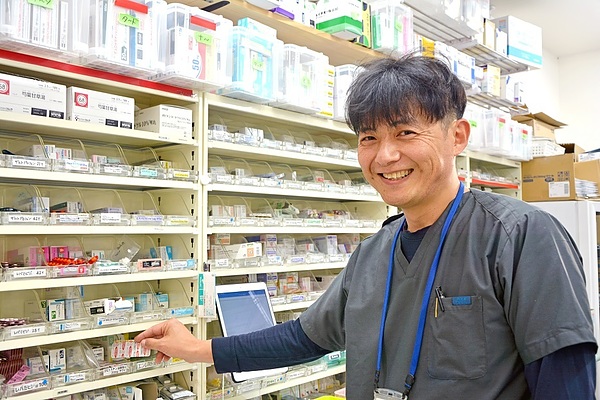
富士市富士宮市にて在宅医療に携わっている薬剤師の栗原です。
この情報化時代に大切なことは、いかに情報を処理してそれを落とし込んで、行動に繋げていくか?ということだと思います。
目次
3)The Importance of the Perspective of Interpretation
4)The Importance of the Ability (Wisdom) to Formulate Questions
5) Cultivating the hippocampus and fostering the ability to stay positive
1)忘れる能力
正直私は短期的な記憶の能力が落ちてきていると思います。正確にいうと、忘れる能力が劣ってきて、新しくものを覚える能力が低下してきていると感じます。
どうしてこう考えるようになったか?最近、いくつかの漫画を読んでいて、次のような経験をしたのがきっかけでした。
最近、私が好きな漫画は『キングダム』です。
古代中国の秦王朝を舞台とした物語。レンタルショップで次々と駆り出して、熱中して最新刊まで読んでしまいました。普段、漫画を読まない私からみたら、これは特別なことでした。
あまりに『キングダム』が気に入ったので、中古でも良いから全巻揃えようかと思いました。メルカリで「幾らだったら手に入るか?」調べたりもしました。
でも、ちょっと考えました。せっかく手に入れても、読まなければ意味がない。・・そこで、改めて第1巻から借り出して読み直し始めました。それで「やっぱり面白い」「これは手元に持っていたら素晴らしいことだ」と思えるなら買えば良いと考えたのです。
でも、改めて読んでいてすぐ気がつきました。話のストーリーはかなり自分の中にまだ残ってしまっていて、ストーリーを追っていても、次の展開が読めてしまう・・。
2)記憶のトリガー(引き金)を持つ
中学生の頃だったらそうではありませんでした。
何回読んでもワクワクドキドキしました。毎回、新鮮な形で、本棚にある漫画を読むことができました。・・でも今は違う。頭にストーリーが残ってしまっている。自分の経験に落とし込んで、情報を仕入れて、つなぎ合わせて、自分の記憶のトリガー(引き金)に結んで、思い出すことが出来てしまっている・・。だから改めて読み直しても新鮮な味わいが感じられない。
『キングダム』を改めて読み始めて、このことに気がついてしまったのです。
記憶力が落ちているのではない。むしろ、忘れる能力が低下している。頭に残ってしまって、新しい経験を新鮮な経験として受け止めることができなくなっている。
他の漫画を読んでいても同様のことを感じます。別に自分がかつて読んだストーリーに限ったことではありません。物語の型、バリエーションに関する事柄です。
大人気の『薬屋のひとりごと』を読み始めたものの、なんとなく先の展開が読めてしまう。読んだことのない物語なのに、自分が知っている物語の型にいつのまにか物語を当てはめてしまって、新鮮味が感じられない・・。ストーリーに熱中することが出来ない。
それに対して『キングダム』が良かったのは、予め定められているストーリー(史実)の着地点が分かっている分、葉末の小さな物語(作者が史実に込めた主観、仮説、虚構)に遊ぶことができるからではないかと考えた。
つまり、純粋に作者の空想、物語の設定、登場人物のキャラクターに遊ぶことが出来るからではないか?と。
3)解釈の視点の重要性
多くのビジネスマンをも魅了する『キングダム』の魅力は、作者が史実をどのように【解釈】しているのか?にあるのではないか。
自分に置き換えてみると、身の回りに起こる事柄をどのように受け止めて、どのように経験として生かしていくかについてのアイデアがたくさん『キングダム』には詰まっている・・。それがビジネスマンに受けたのではないでしょうか?
情報化の時代に、ものを覚えているメリットはかつてのようには無くなっている。手元にあるスマホを弄れば、いくらでも正確で細かい情報を検索して調べることができる。それに対して、読者の関心を買うのは、物事をいかに解釈しているのか?作者が事柄を受け止める時の着眼点はどこにあるのか?ということではないか?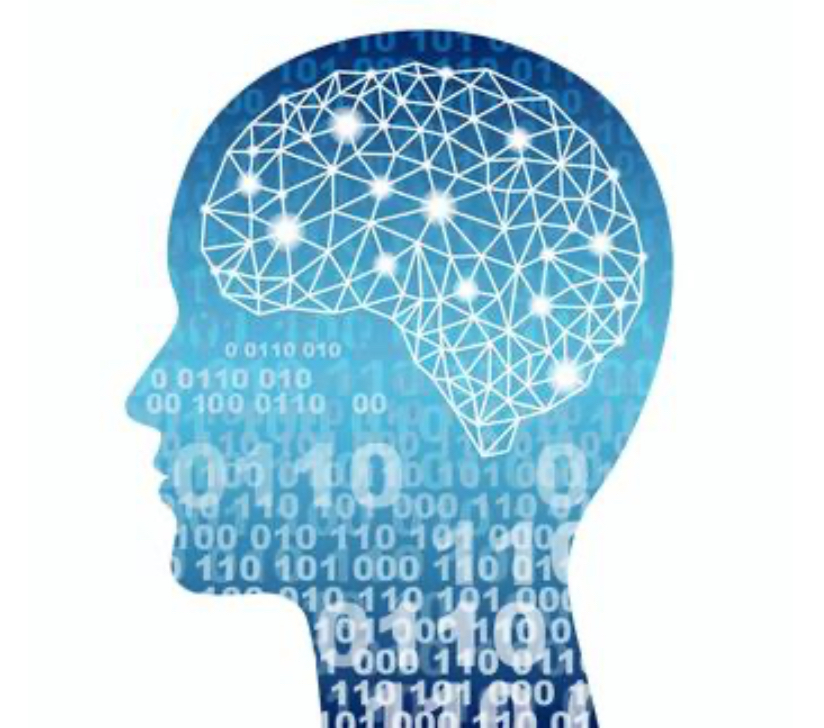
薬剤師に関して言えば、どれだけお薬に関しての情報、知識を自分の中に溜め込んでいるか?これまで勉強してきた積み重ねがあるのか?が大事なのではなくなっている。
たとえばお薬の作用、副作用、機序(働く仕組み)をすぐにでも調べることができるので、それをあえて正確に覚えている必要がありません。
医師に質問されて、すぐに答えることができれば、信頼されるかもしれません。いえ、それは間違いのないことです。でもこれだけお薬の情報が多くなった現代では、いろいろなことを知恵蔵ごとくに知っているには限界がある。それよりも、出来るだけ早く、正確に必要な情報を検索して、読み取って、提示できる能力の方が、価値が出てきていると感じます。
4)問いを立てる能力(知恵)が重要
大切なことは、何がお薬について重要な観点なのか?を知っているということ。これを言い換えると、お薬についてどのような問いを立てれば重要性のある情報に辿り着けることができるか?それを経験的に知っているということです。
これを具体的に言えば、どのようにGoogleの窓に「質問事項」を立てれば、必要な情報に辿り着くことが出来るか?それを経験的に分かっているということです。
問題意識の立て方を経験的に習得していれば、重要かつ有益な情報にすぐに辿り着くことができる。知識よりも、情報技術、デバイスを活用する上での【知恵】の部分が大事になっている。
たとえば私がこのマイベストプロの記事を書く際も、とりあえず気になったテーマをメモ帳に書き留めたり、タイトルだけ下書き保存しておいて、あとは時間のある時に、そのテーマに従って記事を書きます。タイトル(テーマ)があれば、自分が考えて「これは記事に書きたい」と思って色々思い巡らしたことを追想することができる。だから必要な時に記事を書ける。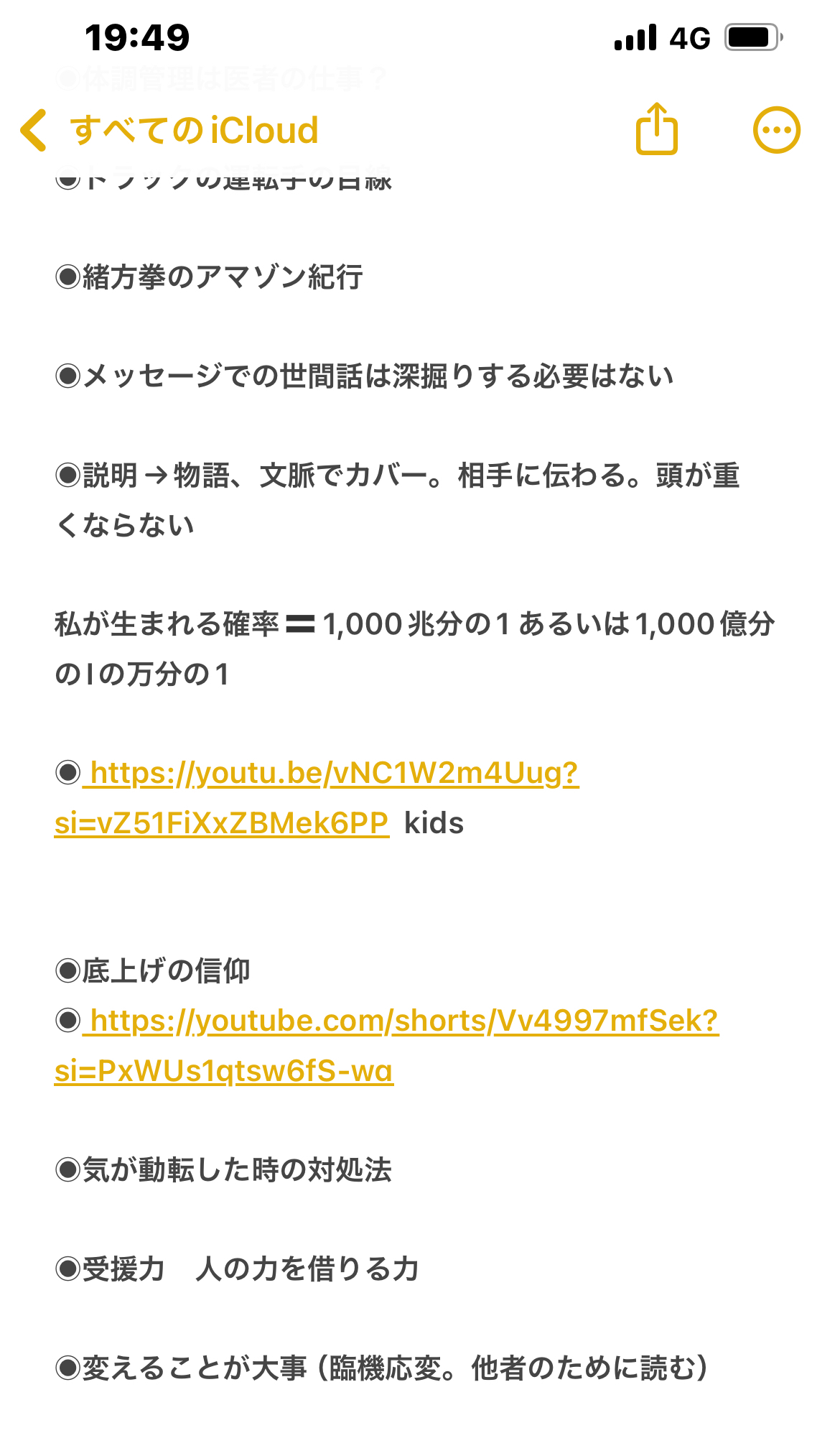
自分が考えたことを紙やノートにメモることを以前はしていましたが、今は、テーマ、疑問文、思いつきの言葉をスマホのメモ帳にランダムに書き留めて、時間のある時にそれを見返すと、自分が思ったこと、感じたことを想起することができます。
5)海馬を育て、前向きになる力を育てる
私は若い頃より記憶力が低下してきたのではないか?と考えていましたが、そうではなく、忘れる能力が低下してきたのだと思います。
忘れる能力というものも大切だと思います。嫌な記憶から自分を解放する能力って、気持ちを切り替えることを可能にします。チェンジマインドの能力とでもいうのでしょうか?ネガティブな記憶、情報から自分を解放し、よりポジティブで自分を積極的にしてくれるよう、自分を仕向ける能力・・。新しい視点で自分のものの考え方を組み替えて、別な視点や発想を生み出す力・・。これらは仕事をする上でとても大切です。
忘れることがしにくくなっているということは、ものを短期的に記憶する海馬の領域の重要性は相対的に低下していることをも意味するのでしょう。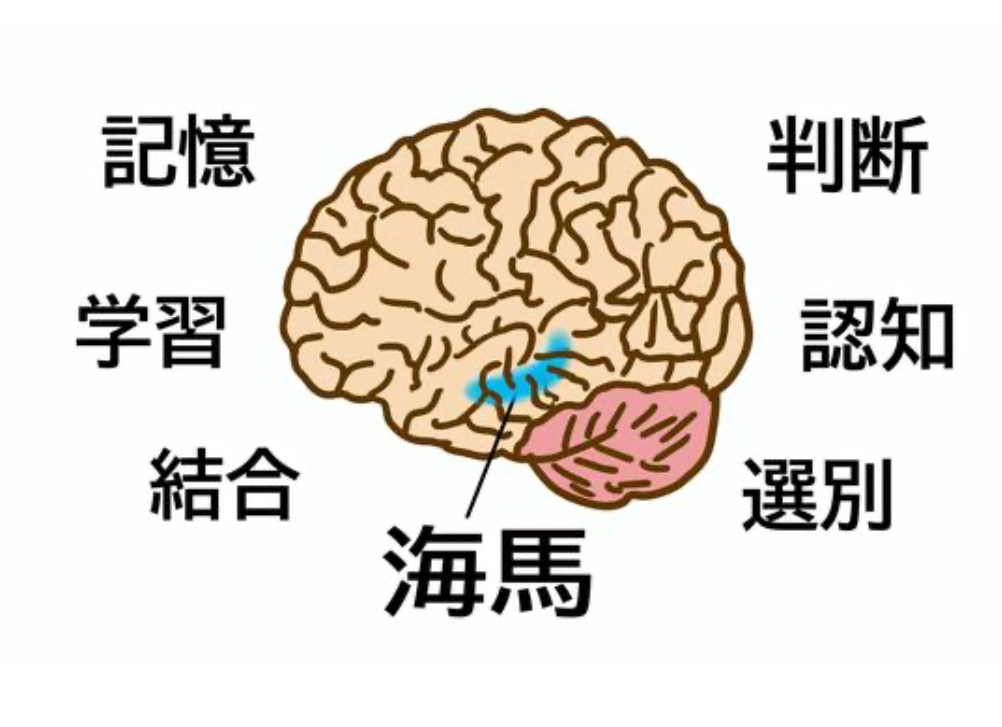
海馬が小さくても、長期記憶に繋ぎ止めるための経験値が上がっている。だけど、新しい経験そのものを覚える力は低下している。だから、新しい物語にワクワクしてそれに熱中する力は低下しているのだと思います。
おそらく、私が短期記憶の力を再開発するには、運動を習慣的に行うことなのだろうと思います。何も考えないで、頭を空っぽにしてみること。出来たら習慣的に筋トレをしたり、水泳に行ったり・・。なかなかそういう余裕がないのですが、これもトレーニー(筋トレなどを習慣的に行っている方々)に言わせると、ただの甘えになってしまうのでしょう・・。
I am Kurihara, a pharmacist engaged in home medical care in Fuji City and Fujinomiya City.
In this information age, I believe the important thing is how we process information, internalize it, and then connect it to action.
目次
3)The Importance of the Perspective of Interpretation
4)The Importance of the Ability (Wisdom) to Formulate Questions
5) Cultivating the hippocampus and fostering the ability to stay positive
1) Capacity to forget
Frankly, I think my ability for short-term memory has been declining. More precisely, I feel that my ability to forget has been deteriorating, and as a result, my capacity to learn new things has been decreasing.
Why did I come to think this way? Recently, while reading several manga, I had the following experience that triggered this realization.
Lately, my favorite manga is 『Kingdom』, a story set in the Qin dynasty of ancient China. I rented volume after volume from the rental shop, got completely absorbed, and read all the way to the latest release. For someone like me, who usually doesn’t read manga, this was something special.
I liked 『Kingdom』 so much that I thought about collecting the entire series, even if second-hand. I even checked on Mercari to see “How much could I get it for?”
But then I thought—there’s no point in owning it if I don’t read it. So, I decided to borrow it again starting from Volume 1 and reread it. If I thought, “Yes, this is still interesting” and “It would be wonderful to have this on hand,” then I would buy it.
However, as soon as I started rereading, I quickly noticed something: The storyline was still so vivid in my mind that, as I followed the plot, I could predict the next developments.
2) Having Memory Triggers
Back in my middle school days, it wasn’t like this.
No matter how many times I read something, I would still feel excitement and anticipation. I could read manga from my bookshelf with fresh feelings each time. But now, it’s different—the story lingers in my mind. I process it through my own experiences, connect new information, link it to my memory triggers, and recall it—making it
impossible to truly feel a fresh impression upon rereading.
By rereading 『Kingdom』, I realized this.
It’s not that my memory is getting worse; rather, my ability to forget is declining. Things stay in my mind, and I can no longer receive new experiences as truly fresh experiences.
I feel the same way with other manga. This isn’t limited to stories I’ve read before—it applies to patterns and variations in storytelling.
Even when I started reading the hugely popular 『The Apothecary Diaries』, I could somehow predict the developments ahead. Even though it was a story I’d never read before, I unconsciously fit it into story patterns I already knew, which stripped away the freshness, making it hard to become absorbed in the plot.
In contrast, what made 『Kingdom』 enjoyable was that, because the endpoint of the story (historical fact) was already determined, I could play within the smaller stories at the edges—the author’s personal interpretations, hypotheses, and fictional elements inserted into the historical record.
In other words, I could purely enjoy the author’s imagination, the story’s settings, and the characters.
3)The Importance of the Perspective of Interpretation
The appeal of 『Kingdom』 may lie in how the author “interprets” historical facts. Perhaps this is what resonated with businesspeople.
In the information age, the advantage of memorizing things is not what it once was. With a smartphone in hand, we can instantly search for precise, detailed information. What captures the reader’s interest is not simply knowledge, but how something is interpreted—where the author’s focus lies when processing events.
For pharmacists, it is no longer most important how much drug information or knowledge one has stored up from years of study.
For example, because we can instantly look up the effects, side effects, and mechanisms of drugs, there is no longer a strong need to memorize them perfectly.
If you can answer a doctor’s question immediately, you may earn their trust—and of course, that’s true. But in today’s world, with so much drug information available, there’s a limit to how much one can know as if carrying an encyclopedia in your head. Rather, the ability to quickly, accurately search for, interpret, and present the necessary information has become more valuable
4)The Importance of the Ability (Wisdom) to Formulate Questions
The key is knowing what perspectives on a drug are important. In other words, knowing from experience what questions to ask about a drug in order to reach valuable information.
More concretely, this means knowing from experience how to phrase a “query” in Google’s search bar so that you can reach the necessary information.
If you’ve gained the skill of framing problems from experience, you can quickly find important and useful information. It’s not just knowledge that matters, but the “wisdom” of how to use information technology and devices.
For example, when I write articles for My Best Pro, I first jot down interesting themes in a memo app, or save just the title as a draft. Later, when I have time, I write the article based on that theme. Having a title (theme) allows me to recall what I thought and imagined when I decided “I want to write about this,” and that’s why I can write the article.
I used to write down my thoughts on paper or in a notebook, but now I randomly type themes, questions, or spontaneous phrases into my phone’s memo app. When I look back at them later, they help me recall what I was thinking or feeling at the time.
5) Cultivating the hippocampus and fostering the ability to stay positive
I used to think my memory had declined compared to when I was younger, but I now believe it’s my ability to forget that has weakened.
I believe the ability to forget is also important. The capacity to free yourself from unpleasant memories allows you to shift your mindset. You might call it “change-mind ability”—the skill of freeing yourself from negative memories or information and steering yourself toward a more positive, proactive state. The power to reframe your thinking, to generate new perspectives and ideas—these are all essential in work.
The fact that forgetting has become harder may also mean that the relative importance of the hippocampus, which handles short-term memory, has decreased.
Even if the hippocampus is small, your experience level for linking things to long-term memory increases. But the ability to remember entirely new experiences decreases. That’s why I think my capacity to get excited about and absorbed in a new story has diminished.
Perhaps the way for me to redevelop my short-term memory ability is to make exercise a habit. Empty my mind without thinking about anything. Ideally, I’d regularly do weight training or go swimming. I don’t really have that kind of spare time, but if you ask regular trainees (those who habitually train), they’d probably say that’s just an excuse.