


乾燥する季節になってきました。
富士市富士宮市にて在宅医療に携わっている薬剤師の栗原です。
最近は薬局の業務の中にもAI技術がいろいろな形で取り入れられるようになってきました。
そもそもで言えば、注射剤など一部の医薬品は冷所センサーによる温度管理が必要ですので、保冷庫などもまたAI技術と言えるのかもしれません。
その他、お薬のチェックのために用いられているバーコード確認、患者様情報の一元的管理のためのExcel、お薬の調剤のための計量機材、服用時点が同じお薬を一緒にする一包化機材なども、高度なシステム設計によるAI技術ということがもちろん出来ると思います。
しかし最近のAI技術のながれは、【擬人的】な側面というものを持っていると言えます。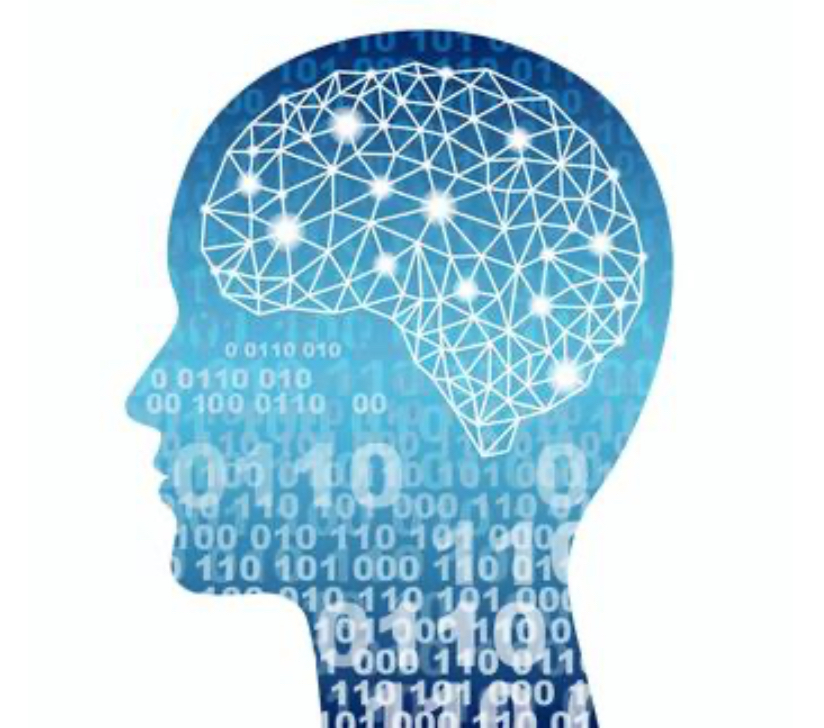
1)擬人的な人工知能の登場
本当はコンピューターが処理をしているのに、あたかもそれが人間によって担われているような側面を持っている・・。
chatGPTのようなLLM(大規模言語モデル。Large Language Modelの略。多くの情報から文章データなどを作成するシステム)は、インターネット上に存在する文字情報その他を総合して、分析し、妥当性を持つ一定の見解を提示してくれます。
先年、Clubhouseという音声によるチャットコミュニティーサービスが一気に流行りました。制限された招待制度などから、わたしも刺激を受け参加しました。
わたしはこういう音声SNSも、私たちが喋っている流行りのテーマに関して、瞬時に文字化され、LLMが活用するバックグラウンドがあるのではないか?と感じてました。テレビ番組なども、おそらくすぐに文字情報化されている時代なのではないでしょうか?そういったことは、時代の感性に訴えかける言葉をデータ化し、人間の感性に訴える言葉の蓄積を目指していると思うのです。
自分が専門とするような領域に関してchatGPTで調べてみると、以前はそれでも??なものもあったのですが、しばらく経ってバージョンアップされるとそんな課題も無くなってしまうようです・・。
2)人工知能の問題
問題はLLMの情報には責任が伴わない、ということ。それを使う人自身に責任が伴うという点において、教える立場の人の責任というもののない情報世界ということになります。
LLM自身は、文字情報を認識していないということのようです。あくまでも文法的に間違っていない文字情報ということにとどまります。
わたしは以前から読んでいる著者の新刊を手にした時、違和感を覚えました。それまでのその著者の手による本とは感じられなかったからです。そしてよくよく読んでみると、文章の言葉そのものに内容が伴っていないのではないか?と感じられる箇所も散見されました。
人に何かを伝える上では不必要な言葉の羅列・・、一体何を伝えようとしているのか不明なままで取り残される言葉たち・・。おそらくその著者は、LLMを用いて文章を作成し、それに手を加える形で「著者」として出版されたのだと思いました。
それは著者の一つの選択として受け止めなければならないことだとは思うのですが、そもそも記事の書き手自身が言葉そのものを理解していないという点は、決してうやむやにしてはならないことだと思います。
言葉や情報にはバイアスが伴うものです。一人一人が持っている情報の偏り、ある意味の偏見、強調、その人を突き動かしてきた信念や価値観・・。LLMに文章を書かせて編集したのではそれらが抜けてしまう。でも、実際わたしが著者に求めていたのは、その人特有のバイアスだったのだと思います。
では、患者様が薬剤師に求める知見って何でしょうか?それは果たしてLLMに取って代わるものでしょうか?
3)人間の優位性
病院から処方された処方箋を持って店舗に向かい、処方箋をスキャンして、AIが処方内容をチェックし、服薬指導をしてくれる・・。
もしもそのシステムを監督している人が薬剤師免許を持つのであれば、責任はその薬剤師が担わざるを得ません。現在も、既にお薬情報提供書は当該医療機関によってチェックされたテンプレートを用いているため、その面では同様のことがすでに行われていると言えます。
わたしが感じる不安は、自分が世界との関係で持っている関わり方がAIに奪われそうな勢いからくる不安感でしょうか・・。
少なくともわたし自身が現在、そのようなAIによるシステムがあり得るとして、それに対する自分が持っている優位性というものがあるとすれば、それは目の前に存在する患者様について、視覚、聴覚を介して得られる情報に基づいて服薬指導できるという点です。
一般に服薬指導は、過去の患者様とのやり取りを背景としてなされます。それを活用して服薬指導することは、AIにも出来るでしょう。同じお薬に関して、同じ服薬指導をするメリットは少ないため、別の切り口や別の観点から指導することになります。そういうこともAIには出来るでしょう。
でも、ちょっとした患者様の仕草や風貌などから素早く情報を仕入れる薬剤師の働きは、まだまだAIよりも優れているのではないかと思うのです。
4)「感情」で人と関わる
映画『ブレードランナー』では、人工知能を持つレプリカントと人間との哲学的な対比がなされ、人間の価値とは何か?が追求されています。その中で、レプリカントと人間を見分けるために感情を引き起こす幾つかの質問が用意されています。あえて感情を引き起こす質問を投げかけることで相手が人造物か人間かを見分けるわけです。
GoogleのAIで質問すると以下のような情報が提供されました。
ブレードランナーの世界では、レプリカントと人間を見分けるための「フォークト=カンプフ検査」というものがあります。これは、対象者に感情を刺激する質問をし、その反応を測定することで、レプリカントかどうかを判別する検査です。
具体的には、以下のような方法で見分けられます。
1. フォークト=カンプフ検査:
レプリカントは、人間のような感情の起伏が乏しいため、特定の質問に対する反応が鈍い、または不自然な場合があります。
検査官は、対象者に感情を刺激する質問を繰り返し、瞳孔の動きや呼吸の変化などを測定し、レプリカントかどうかを判別します。
素晴らしいまとめ方ですね・・。
以上は人間とレプリカントを見分ける検査の話ですが、人との関わりもまた、間違いなく感情で左右されるものと言えます。
自分の見た目、髪型、お化粧、服装、表情、言葉の使い方、対応など、一般に「仕事の能力」としてみなされないことも、実際、私たちの仕事力の多くを作り出している要素です。それらは顧客であれ患者であれ、相手の感情を引き起こしてコミュニケーションを成立させているという点で、私たちは普段から感情というもののやり取りをしている・・。それが私たちの仕事の1つの側面です。
いつも難しいと思うことは、もしかしたら本人が嫌がるかもしれないような質問に対して、いかに誠実に患者様に答えていただくか?という取り組みです。
人と人との関わりにおいて感情的に反応するのは相互であるということが、とても大切なことです。薬剤師の指導に対して何がしかの感情的な反応をするのが患者様であるとしても、それに対して反応するのも人間である薬剤師であるということ。この相互的な関係こそが、人と人とのコミュニケーションの深みを生み出し、単なる感情テストに留まらない情報のやり取りを可能にするのだと思うのです。
糖尿病患者様であれば、いちいち自分の血糖の値を薬剤師に話したくないと感じる人も一定数いらっしゃいます。話したところで何かが変わるわけではないだろうと・・。そう感じられるのも分かります。でも、継続的に患者様の数値を観察することで、指導すべきポイントというものが浮かび上がってくるものです。
そういった、少し耳に痛いことを質問するために、丁寧さとか誠実さとか、相手に対する親密さなどをもって、私たちは患者様対応をさせていただいています。
知性や情報だけで仕事をしているわけではありません。感情で働いて、相手に働きかけるからこそ、私たちの働きにもやり甲斐があります。【人間】というものを見落とさないで今後も自分の働きを続けていきたいと思うのです。
I’m Kurihara, a pharmacist involved in home medical care in Fuji City and Fujinomiya City.
Recently, AI technology has been incorporated into pharmacy operations in various ways.
To begin with, some medications such as injectables require temperature control using cold storage sensors, which could be considered a form of AI technology.
In addition, barcode scanning for medication checks, Excel used for centralized patient information management, measuring devices for dispensing, and packaging machines that bundle medications taken at the same time—all these could be said to involve AI technologies based on advanced system design.
However, the recent trend in AI technology includes a “quasi-human” aspect.
1) The Emergence of Humanlike Artificial Intelligence
Although it’s actually computers doing the processing, it seems as if humans are the ones carrying it out…
LLMslike ChatGPT (Large Language Models, which generate textual data from vast amounts of information) analyze and synthesize information available on the internet to provide plausible and coherent insights.
A while ago, the audio chat community service “Clubhouse” suddenly became very popular. Due to its invite-only system, I felt intrigued and joined myself.
I had a sense that even audio-based SNS platforms like that were transcribed instantly into text, forming part of the LLM’s background data. TV shows, too, are probably being transcribed into text in real time these days. I believe this is a way of turning language that appeals to the spirit of the age into data—an effort to accumulate language that resonates with human emotions.
When I use ChatGPT to look up areas within my specialty, I used to find questionable or off responses, but after some updates, those issues seem to have disappeared.
2) Problems with Artificial Intelligence
The main issue is that LLMs don’t bear responsibility for the information they provide.
The responsibility falls on the user, which means that in the world of information, there’s no accountability on the part of the “instructor.”
It seems that LLMs themselves don’t actually “understand” the text—they merely produce grammatically correct language.
When I picked up a new book by an author I had been following, I felt something was off. It didn’t feel like their usual writing. Upon reading closely, I noticed that parts of the text seemed to lack real content behind the words.
Long strings of unnecessary words that didn’t communicate anything clearly… Words left behind, unclear in purpose or message… I suspect the author used an LLM to generate the text and then lightly edited it before publishing under their name.
While I accept that this is one form of authorial choice, the fact that the writer may not fully understand their own words is something we must never gloss over.
Words and information inherently carry bias.
Each person has their own set of biases, tendencies, emphases, convictions, and values. These are often missing when text is generated and edited by an LLM. But perhaps what I had wanted from that author all along was precisely that unique bias.
So then, what kind of knowledge do patients seek from pharmacists? Can that be replaced by LLMs?
3) Human Superiority
A patient brings a prescription from the hospital, scans it, and AI checks the contents and provides medication counseling…
If someone with a pharmacist license is supervising this system, then the responsibility ultimately lies with that pharmacist. Even now, medication information sheets use pre-approved templates from medical institutions, so in a way, this kind of delegation is already happening.
The anxiety I feel may come from a sense that my role in society is being overtaken by AI systems.
Still, even if such a system becomes real, I believe my human superiority lies in the ability to provide medication counseling based on information obtained visually and aurally from the patient in front of me.
Generally, medication counseling is based on past interactions with patients. AI can likely handle this too. Since repeating the same advice for the same medication has limited value, counseling needs to come from different perspectives. AI could likely do that as well.
However, I believe that pharmacists are still better than AI at picking up subtle cues from a patient’s appearance or behavior and using that to inform their advice.
4) Engaging with Emotion
In the movie Blade Runner, the philosophical contrast between AI-powered replicants and humans explores the question of what gives humans their value. To distinguish replicants from humans, questions that provoke emotional reactions are used.
By intentionally asking emotionally triggering questions, the examiner can tell whether the respondent is a human or a machine.
Here’s what Google AI provided in response:
In the world of Blade Runner, there is a test called the Voight-Kampff Test used to distinguish replicants from humans. This test measures the subject’s response to emotionally stimulating questions to determine if they are a replicant.
Specifically, the test distinguishes replicants in the following way:
1.Voight-Kampff Test:
Replicants tend to have less emotional variation than humans, so their responses to certain questions may be slow or unnatural.
The examiner repeatedly asks emotionally stimulating questions and measures changes in pupil size and breathing to determine whether the subject is a replicant.
That’s a brilliant summary…
While that was about testing replicants versus humans, human interactions are also undeniably shaped by emotion.
Things like our appearance, hairstyle, makeup, clothing, facial expressions, tone of voice, and demeanor—though not usually categorized as “skills”—are in fact major contributors to our professional effectiveness. Whether dealing with customers or patients, these elements stir emotions and enable communication. In that sense, emotional interaction is a core part of our work.
One challenge I always face is: how can we sincerely get a patient to answer difficult questions they might not want to be asked?
Emotional reactions in human
relationships are mutual.Even if the patient emotionally responds to the pharmacist’s guidance, the pharmacist—being human—will naturally respond emotionally too. This reciprocity is what creates depth in communication and allows for meaningful exchanges beyond simple emotional tests.
Some diabetes patients, for example, don’t want to report their blood sugar levels to pharmacists. They may feel it’s pointless since it won’t change anything. And that’s understandable.
However, by continuously monitoring a patient’s numbers, we can identify key moments for intervention.
That’s why we engage with patients through carefulness, sincerity, and a sense of closeness—to ask even the slightly uncomfortable questions.
Our work is not based on intellect or information alone. It’s by working through emotion and reaching others emotionally that we find purpose and fulfillment in our work.I hope to continue my work without losing sight of what it means to be truly “human.”