
薬剤師が答える“飲み方の疑問”19選 ― 効果を最大にする正しい服薬ガイド A Pharmacist Answers 19 Common Questions About How to Take Your Medicine — The Right Way for Best Results
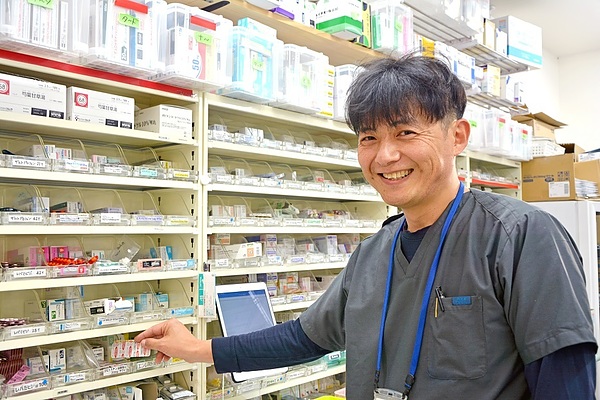
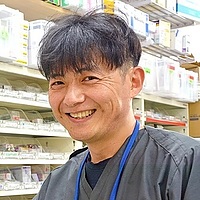
富士市富士宮市にて在宅医療に携わっている薬剤師の栗原です。
薬剤師って、病院の中や病院の前の調剤薬局で働いてるので「医療者」であることは当然と思われているかもしれません。でも歴史を紐解けば、これは当たり前ではありません。
日本の薬剤師の歴史の中では、現在、認められている働きをする上で、乗り越えてこなければならなかった多くの壁があったのです。
そこには以下のような原因があったと考えられます。
- 東洋医学から西洋医学へのシフト移動に伴って生じた課題
- 医療体制(特に医薬品供給体制)の不備
- 医薬分業制度導入の課題
- 薬剤師の働き方改革の課題
目次
Ⅰ. The Trials and Tribulations of Kampo Doctors
II.The Barriers to Implementing the Separation of Prescribing and Dispensing
Ⅰ.漢方医の受難の歴史
薬剤師は1992年の医療法の改正によって明確に「医療者」と位置付けられました。続けて2006年には調剤薬局も医療機関として明確に位置付けられました。
日本では中国の影響から、生薬を活用した東洋医学に基づく医療が伝統的に根付いていました。
土地に根付いた漢方医が、一人一人の症状に合わせて漢方薬を調合して治療していた時代が長く続きました。
しかし1868年に明治政府は西洋医学の全面導入を布告しました。
西洋の医学が本格的に日本の大学に導入され、学生に教授されるようになる過程において、それまで日本で根付いていた東洋医学の伝統は憂き目に遭うこととなりました。
それまで東洋の漢方医学の歴史的伝統に連なる漢方医は、「医者」としての身分を剥奪される受難に見舞われたのです。
東洋医学が歴史の中で培ってきた多くの知見は、明治政府による近代国家形成の過程で「非科学的なもの」ということで大学教育から退けられてしまったのです。
当時の文脈で言えば、漢方医が退けられてしまったということは、医療の現場から薬剤師が退けられてしまったという事を意味しました。
西洋医学の導入は、同時に医師と薬剤師による医薬分業制度の導入を意味していました。しかし当時、日本で取り扱われていた医薬品は外国からの品質の安定しない粗悪品であったため、薬剤師の働きも、当初は医療現場の実務以上に製薬業務での基礎化学的取り組みが重視されたという事情がありました。
結果として、医薬分業制度の導入はなおも立ち遅れたのです。
II.「医薬分業」導入のための壁
1.医薬分業の興り
欧州では、12世紀頃には、現代の「医薬分業」の医師と薬剤師の役割分担の原型が確立されていました。
それは、時は13世紀、神聖ローマ帝国のフリードリヒ2世が、医師による毒殺を恐れ、医師からお薬の調剤権を奪ったことがきっかけと言われています。
「時の王が毒殺を恐れたから医薬分業が生じた」というのは、今の医薬分業の趣旨とは全然別物のようではあります。
ですが現代のように多種多様な医薬品が販売される状況では、お薬の使用方法について混乱を招きかねないことなどを勘案すると、この王の不安は、私たちに直面している問題とそれほど疎遠でもないと言えます。
患者を「王」と捉えることに違和感を覚えるかもしれませんが、マーケティングの上では顧客を「卓越」した存在として捉える立場は特異的なことではありません。まして今は医療の分野でもセカンドオピニオンが求められる時代。何が患者にとってベストなのかを、医療側の立場からではなく、患者の立場に立って考えるということは当然行われていることなのです。
調剤薬局を訪問した患者が「王」だとすると、調剤薬局の薬剤師は処方医の出した処方箋の中身を吟味し、それが相応しいものかどうかの最終チェックを行う。
医師に対する信頼は絶大なものがありますが、医師も人間ですから、小さな処方上のミスや、場合によっては大きなものまで想定しなければなりません。
現代は医薬品も高度に発展し、日々、新しいお薬が販売されています。高齢化に伴い、複数の医院からお薬が処方されていることも珍しいことではありません。複数のお薬を飲むことで好ましくない相互作用が生じてしまうことがあるのです。
昔の時代にも、お薬が体にとって最適な効果を発揮する分量や、薬理作用が十分わからないままで用いられていたお薬も少なくないことなど、今とは違った事情があったのです。
2.日本における「医薬分業」の課題
このような日本の医薬世界の歴史的背景は、今でも「医薬分業とは何か?」というテーマを熱いものとする背景となっています。
例えばこちら2016年の記事。
https://sp.m3.com/news/open/iryoishin/468967
日本医師会の副会長と健康保険組合理事の議論ですが、これは医師の処方権と、医薬分業の理念の下での薬剤師の調剤権の独立性の主張とがバッティングしたものとなっています。
ここで議論の論点は、医師は処方権は医師にのみ認められるものであるとする一方で、薬剤師の立場に立つと、処方箋上にある「後発医薬品への変更不可欄」があることは、医薬分業、さらには薬剤師の調剤業務への侵犯である、ということです。
この議論は、双方の言い分によく耳を傾けなければ、単なる物の言い合いとして受け止められてしまうほどに繊細な問題を扱っていると感じます。
かつて日本に医薬分業制度が導入された際、医師と薬剤師は人材の面から行って圧倒的に医師の方が多かった。それに加えて医薬品の流通の問題もあったことから、今日における医薬分業がなかなか出来なかったことは仕方がない面がありました。
明治維新以降、西洋医学の全面的な導入が図られたのをきっかけとして、日本の薬剤師会が全国規模で組織されました。そして医薬分業のシステム作りのために政治的な働きかけがなされました。
https://www.med.or.jp/jma/about/50th/pdf/50th100.pdf
この動きに対して日本の医師たちも、医師の権限を確保するために全国規模の組織を形作る機運を見せました。
当時は、医師の収入源も主に医薬品の販売による利益だったことが、この反発の原因だったと言われています。
しかし20世紀も終わりになってようやく、国の方針で国立大学病院に院外処方箋の導入がなされることをきっかけに、医薬分業の機運はどんどん進むことになりました。
医師は診断を行い、処方箋を書く。それを生業とし、薬剤師はその処方箋を授受し、それに基づいたお薬を調剤し服薬指導を行う。そういう、今では当たり前のことを行えるようになるにはかなりの年月を必要としたのです。
今や、医師と薬剤師の人口はそれほど変わりません。地方の辺境地にあったとしても、医師と薬剤師とが、それぞれの専門性を発揮してより良い医療サービスを提供できる時代が来ていると思います。
3.対物から対人へのシフト移動
かつて薬剤師は、医薬品供給体制の遅れから製薬業へとシフト移動した結果、「対人」であるよりも「対物」の働きを期待されていたと言えます。
それは、これまでの病院内の調剤部での働きも同様で、薬剤師は医師の処方箋に基づいてお薬を調剤棚から取り揃えればよかったかもしれません。
実際、処方されたお薬に問題があって、調剤を行った薬剤師の側に法廷において責任が認められるようになったのは比較的最近のことです。
でも今は、病院内においても医療者としての薬剤師の働きが大きく期待されるようになっています。病棟薬剤師が病棟に、週の働きにおいて一定以上、常駐する形で患者の薬物治療に向かい合う働くのは間違いなく「対人」の医療者としてのそれです。
「対人的な働き」とは、疾病を抱えた患者様に向かい合い、
- 検査データや院内の電子カルテを介したモニタリング
- 患者からの直接の聴取
などによって、お薬の専門家として処方されたお薬がその患者様にとって相応しいものであるのかどうかを検証する働きです。
Ⅲ.これから乗り越えるべき課題
これは、かつて漢方医が患者と向かい合うのに際して持っていた立場と似ている部分があるとも言えます。
漢方医は自分が連なる漢方医学の伝統に基づいて、患者個人個人にお薬を調合し、投薬し、その後の服薬フォローをする。
もちろん今の時代も、薬剤師は患者の疾病について診断することは出来ません。
薬剤師が漢方薬を取り扱えるものは、「一般医薬品」として国の認めたものに限られますし、患者の疾病を診断したり健康保険を利用しての調剤行為は出来ません。
でもかつて漢方医が患者と向き合っていたような「医療者」としての働き方のあり方は、医薬分業が進んでいる現代、一つのモデルとして学べるところが多いと思います。
アメリカでは現在、病院内において薬剤師が主治医に処方提案することが多く行われています。日本の一部の医療機関でも行われ始めています。
薬剤師は「診断」を下すことはできませんが、継続使用中の薬剤に関して、医師に処方依頼をかけることは理にかなったことです。
私も在宅に関わる薬剤師として、患者ご自身やそのご家族とのやりとりを通して以下のような事案で、主治医に処方依頼をかけることがあります。
- 患者ならびにご家族が、主治医に伝え忘れたことがある場合
- 処方歴のあるお薬に関して、手持ちがなくなった場合
先に扱った「ジェネリック医薬品への変更欄」の存在は、現場の薬剤師としては、医師の側にも薬剤師の側にも、それぞれに言い分があると思います。
医師側は、先発医薬品と後発医薬品の使用状況で、患者の容態変化に関して経験的に積み重ねた知見があるでしょう。
薬剤師の側にもそのような知見はもちろんあります。
でも主治医にとって顔の見えない薬剤師の判断は、まだ信頼するに十分でないという判断も可能だと思います。
薬学部で学ぶことは、単にお薬の勉強に留まりません。薬剤師は医療関係者としては化学を一つの専門領域とする点で、お薬を化学的に考察するという強みは確かにあります。
でもそれに留まらず、薬物動態学では、人間の体の仕組み(特に薬物の吸収並びに代謝・排泄)を学びます。
機能形態学では、実際にお薬が体に作用する仕組みを学びます。
薬物治療学では、薬物による治療に関して人体への影響を総合的に考察する力を養います。
医師は症状→診断→薬物治療と考察しますが、薬剤師は薬物→症状の確認→薬物選択の妥当性(副作用歴、併用薬との関係、自覚症状の有無)と考察します。
こういった医師と薬剤師の思考の仕組みの違いを理解することが、「医薬分業制度」が患者様にメリットをもたらす上で不可欠と考えます。
冒頭のタイトルに戻ると、果たして薬剤師は医療者であり得るか?結局そのことは、どれだけ薬剤師が自らの知見を生かして、患者様の薬物治療に介入していけるか?にかかっていると言えます。
それこそ、調剤薬局内でお薬の取り揃えにのみ専念しているのであれば、医薬分業以前になる。それを肝に銘じる必要があると言えます。
Ⅳ.今日のまとめ
薬剤師が「医療者」として認識されるまでには長い歴史がありました。明治期の西洋医学導入により、漢方医は医療者の地位を失い、薬剤師も医療現場から離れることに。医薬品供給体制の遅れや医師優位の構造から、医薬分業制度の定着も困難を極めました。1992年の法改正を経て薬剤師は医療者として位置づけられ、現在は「対物」から「対人」業務へと役割が転換。在宅医療や服薬管理など、患者に寄り添う存在として期待されています。今後は医師との協働深化と、薬物治療における専門性のさらなる発揮が求められます。
My name is Kurihara, a pharmacist involved in home medical care in Fuji City and Fujinomiya City.
Pharmacists may be assumed to be “healthcare professionals” simply because they work inside hospitals or at dispensing pharmacies in front of hospitals. But looking into history, this has not always been taken for granted.
In the history of pharmacists in Japan, in order to perform their currently recognized roles, many obstacles had to be overcome.
There are thought to have been causes such as the following:
- Challenges arising from the shift from Eastern medicine to Western medicine
- Deficiencies in the healthcare system (particularly in pharmaceutical supply)
- Challenges in introducing the separation of prescribing and dispensing
- Challenges in reforming pharmacists’ working styles
目次
Ⅰ. The Trials and Tribulations of Kampo Doctors
II.The Barriers to Implementing the Separation of Prescribing and Dispensing
Ⅰ. The Trials and Tribulations of Kampo Doctors
Pharmacists were clearly positioned as “医療者” by the 1992 amendment to the Medical Care Act. Subsequently, in 2006, dispensing pharmacies were also officially designated as medical institutions.
In Japan, influenced by China, traditional medicine based on herbal medicine (kampo) has long been rooted.
For a long time, locally rooted kampo doctors custom compounded herbal prescriptions tailored to each individual’s symptoms.
However, in 1868 the Meiji government proclaimed the full adoption of Western medicine.
As Western medicine was gradually introduced into Japanese universities and taught to students, the established traditions of Eastern medicine in Japan faced decline.
At that time, the kampo doctors, who were part of the historical tradition of Eastern herbal medicine, had their status as ‘physicians’ stripped away and suffered greatly.
Much of the knowledge cultivated over history by Eastern medicine was dismissed as “unscientific” and removed from university education during the Meiji-era modernization.
In the context of that time, the fact that kampo doctors were excluded meant that pharmacists were also excluded from medical practice.
The introduction of Western medicine also meant introducing a system separating physicians and pharmacists. Yet, because pharmaceuticals available in Japan were often low‑quality imports with unstable standards, initially pharmacists’ work emphasized foundational chemical work in manufacturing rather than practical medical duties.
As a result, the establishment of the separation system lagged behind.
II.The Barriers to Implementing the Separation of Prescribing and Dispensing
1.The Origins of the Separation of Prescribing and Dispensing
In Europe by around the 12th century, the prototype of today’s system of dividing roles between physicians and pharmacists was already established.
It is said that in the 13th century, the Holy Roman Emperor Frederick II—fearing poisoning by physicians—stripped physicians of the authority to dispense medicines, which initiated separation.
Although the historical reason “the king feared poisoning, so separation emerged” is completely different from the modern purpose of separation, considering that in today’s world many kinds of medicines are sold and could cause confusion in usage, this king’s fear is not entirely unrelated to the challenges we face now.
One might feel uneasy about viewing patients as “kings,” but in marketing, treating the customer as an exalted figure is not unusual. Moreover, in today’s healthcare field, second opinions are increasingly sought. Thinking “what is best for the patient—from the patient’s perspective rather than the medical provider’s” is now standard practice.
If the patient visiting a dispensing pharmacy is the “king,” then the pharmacist at the dispensing pharmacy examines the contents of the prescription issued by the prescribing doctor and performs the final check as to whether it is appropriate.
Although trust in physicians is enormous, physicians are human too, so small prescription errors—or even major ones—must be considered possible.
Today, as pharmaceuticals have advanced and new drugs are introduced daily, and with aging populations receiving prescriptions from multiple clinics, it is not uncommon for patients to take multiple medications, which can result in unfavorable drug interactions.
Even in earlier times, medications were often used without a full understanding of optimal dosing or pharmacological effects, unlike now.
2. Challenges of the Separation System in Japan
This historical background of Japan’s pharmaceutical world remains a driving force behind the continuing heated debate on “what is separation of prescribing and dispensing?”
For example, consider this 2016 article discussing a debate between the vice‑president of the Japan Medical Association and a health insurance union board member.
They conflicted over physicians’ prescribing rights versus pharmacists’ independent dispensing rights under the principle of separation.
From the pharmacist’s standpoint, having a “non-changeable to generics” field on the prescription is an infringement on separation and on pharmacists’ dispensing work.
This debate, dealing with delicate issues, requires careful listening to both sides, or else it could appear to be mere verbal sparring.
When Japan first introduced separation, physicians vastly outnumbered pharmacists, and combined with pharmaceutical distribution issues, it was inevitable that the system struggled to take root.
After the Meiji Restoration and adoption of Western medicine, the Japanese Pharmacists Association was organized on a national scale, and political efforts were made to establish the separation system.
In response, Japanese physicians also began forming a national organization to preserve their professional authority.
At that time, a major source of physician income came from pharmaceutical sales, which was a key factor fueling resistance.
Only toward the end of the 20th century, when the government’s policy introduced external prescriptions at national university hospitals, did momentum for separation truly accelerate.
Physicians would make diagnoses and write prescriptions as their profession, while pharmacists would receive those prescriptions, dispense medications, and provide patient counseling. Establishing these routines—now taken for granted—took many years.
Today, the numbers of physicians and pharmacists are roughly equal. Even in remote regions, we are now in an era where physicians and pharmacists can each demonstrate their expertise to deliver better healthcare services.
3. The Shift from Product-Centered to Patient-Centered Care
In the past, pharmacists were expected to work “with objects” rather than “with people” due to delays in pharmaceutical supply systems and a shift toward manufacturing roles.
This applied even in hospital pharmacy departments: pharmacists merely collected medicines from dispensing shelves based on physicians’ prescriptions.
In fact, it is only relatively recently that pharmacists began to be held legally responsible in court for issues with dispensed prescriptions.
Now even in hospitals, pharmacists are increasingly expected to act as healthcare professionals. The role of the ward pharmacist, residing on wards for a certain proportion of the week to engage directly in patients’ drug therapy, is unquestionably “people‑oriented” professional work.
“People‑oriented work” involves facing patients with illness and, through
- Monitoring via test data and in‑house electronic medical records
- Direct interviews with patients
verifying whether the prescribed medicine is appropriate for that patient as a medication expert.
Ⅲ. Challenges Yet to Be Overco
This in some ways resembles the stance kampo doctors once had when facing patients.
Kampo doctors, based on their traditional Eastern medical heritage, personalized, compounded, administered medicine, then followed up on its usage.
Of course, pharmacists today cannot diagnose diseases.
Pharmacists can only handle kampo medicines that are recognized by the government as “over‑the‑counter” medicines; diagnosing illnesses or performing insured dispensing is not within their authority.
However, I believe the model of “healthcare‑provider‑style” work that kampo doctors once practiced, engaging with patients directly, still holds much to teach in today’s separated prescribing‑dispensing system.
In the United States today, it is common within hospitals for pharmacists to propose prescriptions to attending physicians. This practice is now beginning in some Japanese institutions as well.
While pharmacists cannot make diagnoses, it is entirely reasonable for them to request physicians to prescribe certain medications for continued use.
As a pharmacist involved in home medical care, through communication with patients and their families, I sometimes request prescriptions from attending physicians in cases such as:
- When patients or families have something they forgot to tell the physician
- When a prescribed medication in their history runs out
As mentioned earlier, the presence of a “must not change to generic” field on prescriptions has arguments on both sides—for physicians and for pharmacists.
Physicians may have empirical knowledge about patient condition changes based on using brand vs. generic drugs. Pharmacists have their own such knowledge as well. But for an attending physician, trusting the judgment of a pharmacist they have not met may not yet feel sufficient.
Studying at pharmacy school is not limited to learning about medicines. As healthcare professionals, pharmacists have the advantage of considering drugs chemically as a specialized field.
Beyond that, in pharmacokinetics one studies how the human body works (particularly absorption, metabolism, and excretion of drugs).
In functional morphology, one studies how drugs actually act in the body.
In pharmacotherapy, one cultivates the ability to think comprehensively about the impact of drug therapy on the human body.
Physicians think symptoms → diagnosis → drug therapy, whereas pharmacists think drug → confirm symptoms → assess the appropriateness of drug selection (considering history of side effects, drug interactions, presence or absence of subjective symptoms). Understanding these differences in thinking between physicians and pharmacists, I believe, is essential for the separation system to bring benefits to patients.
Returning to the question in the opening title—can pharmacists truly be ‘healthcare professionals’? Ultimately, that depends on how much pharmacists can leverage their own expertise to meaningfully intervene in patients’ drug therapy.
If they merely focus on assembling medicines in dispensing pharmacies, that is pre‑separation‑era practice. It is vital to engrain that mindset.
Ⅳ. Today’s Summary
It has been a long journey for pharmacists to be recognized as “healthcare professionals.” In the Meiji period, the introduction of Western medicine resulted in kampo doctors losing their status, and pharmacists being pushed out of medical practice. Delays in pharmaceutical supply and physician‑dominant structures made establishing the separation system extremely difficult. Through the 1992 legal reform, pharmacists were finally positioned as healthcare professionals, and they have transitioned from “object‑oriented” to “people‑oriented” roles, now expected to serve patients through home care and medication management. Going forward, deeper collaboration with physicians and further demonstration of pharmacists’ expertise in drug therapy will be essential