

栄養剤とエナジードリンクの違いって何かあるの?
富士市富士宮市にて在宅医療に携わっている薬剤師の栗原です。
先日に引き続いて『薬屋のひとりごと』の第2巻を読んでみました。感想を書く前に、少し自分と漫画との関係について思うところがあるので書いてみようと思います。
目次
Manga Was the Mainstream Entertainment for My Generation
What Manga Means to the Second Baby Boomers…
Reading Volume 2 of The Apothecary Diaries
1) The Rapid Progression of the Story
「私にとっての漫画」ということを考えた時、それは「私の世代(第二次ベビーブーマー)にとっての漫画」ということでも少なからず一般性があると考えたからです。
私の世代の娯楽は漫画が主流だった
私の青年期に既に「貸漫画」というものがあったのかどうか、よく覚えていません。もしあれば活用していたと思うのですが、そういう思い出はありません。でも漫画喫茶というのはあったと思います。
小学生の頃から週刊ジャンプは買って読んでいたと思います。当時は読む漫画はなんでも楽しんで読んでいました。色々なものに飢えていたのだと思います。今の時代のように、サブスクリプション(課金サービス)で映画やスポーツが楽しめたりする時代では無かったので、手軽に手に入れることのできる漫画は特に大人気だったのだと思います。
でも、バスケ少年だったこともあり、大人気だった『スラムダンク』が最終回を迎えてから、心の中にすっぽり穴が空いた気持ちになりました。その後、いくつかの社会派の漫画を読んだりしましたが(『Monster』『課長島耕作』「沈黙の艦隊』)、確実に、少年時代に取り結んでいた漫画と自分との幸いな関係は終焉を迎えていた。
第二次ベビーブーム世代にとって漫画とは・・
私の世代の第二次ベビーブーム世代、または就職氷河期世代にとっては、少なからず漫画は、社会人になるとともに、かつてのような幸いな関係を結ぶことが難しくなっていたのではないかと思います。
最近は、小学校の図書館にも多くの漫画本が置いてあるように、漫画を教育目的で活用しようと変化が生じています。テレビ放送されている『ドラえもん』も、昔だったら考えられないような品の良さで、科学的な知見をわかりやすく解説する教育的視点が強くなっています。つまりこの時代は、漫画=悪もしくは時間の無駄といった捉え方から生じる後ろめたさに囚われることなく漫画と向かい合える風潮にある。
でも私の時代はそうではありませんでした。漫画の世界に惹かれつつも、現実に目を向けることを社会が求めていたように思います。
それでも私たちの世代にも、世間的にはオタクと呼ばれた不遇の時代を過ごした勇者たちがいました。この「オタク」という存在が、日本の漫画文化を支えて、今ではそれが世界に誇るコンテンツとして流通しています。つまりいつのまにか敗北者の背負うルサンチマン(怨念)に成り代わった夢と希望とが、彼らオタクよって世界に誇れるコンテンツへと昇華されてきたと言えるのかもしれない。
そう、今日の漫画の繁栄は、私の世代の心の救済でもあるのだと感じるのです。
『薬屋のひとりごと』第2巻を読んでみた
さて、前回お伝えしたように、今回、日本薬剤師会とのコラボということで『薬屋のひとりごと』のイラストが表紙になったお薬手帳が出たのを刺激として、実際に自分で読んでみることにしました。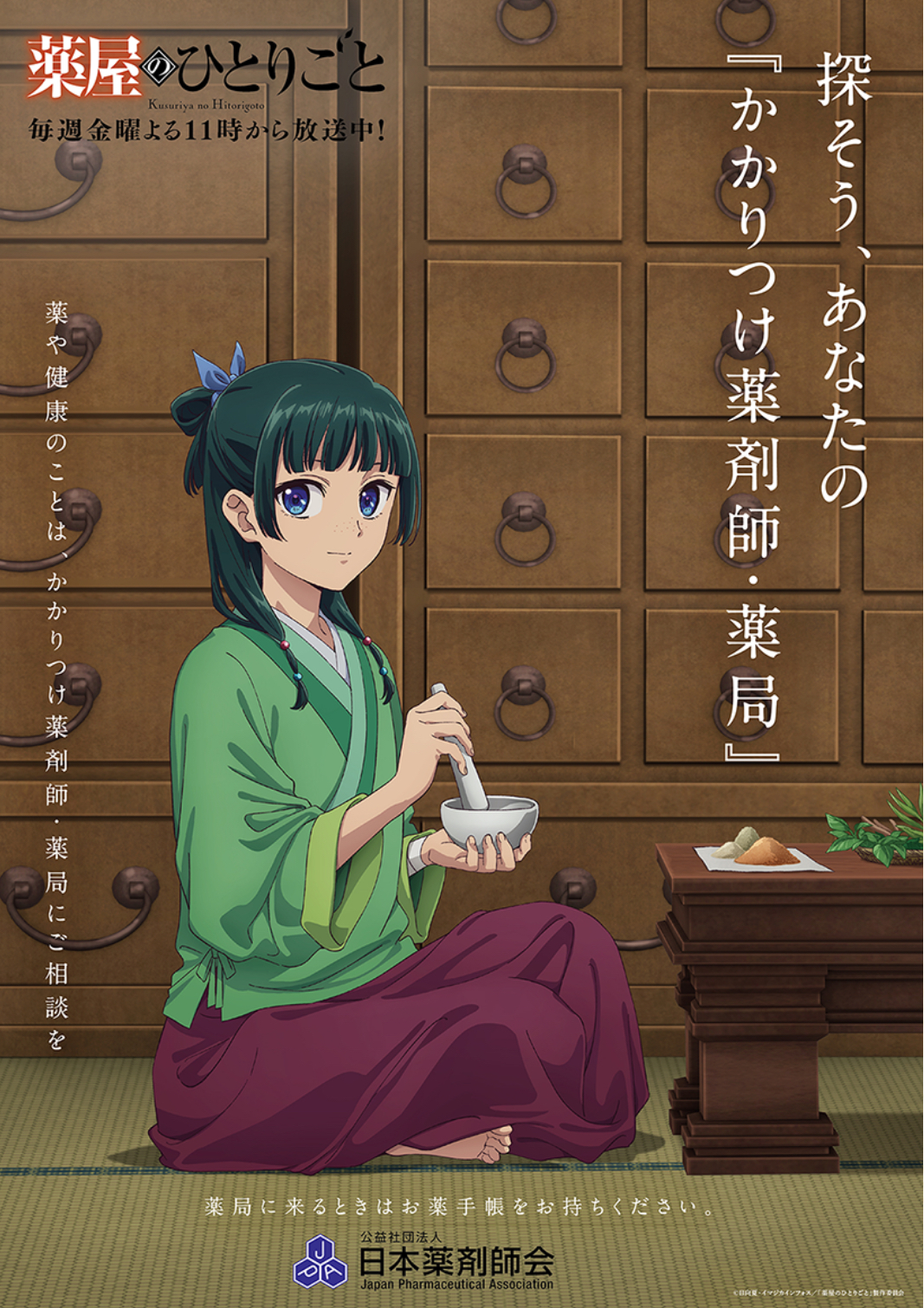
「薬屋のひとりごと」第2巻を読んで、感じたことは以下の3つです。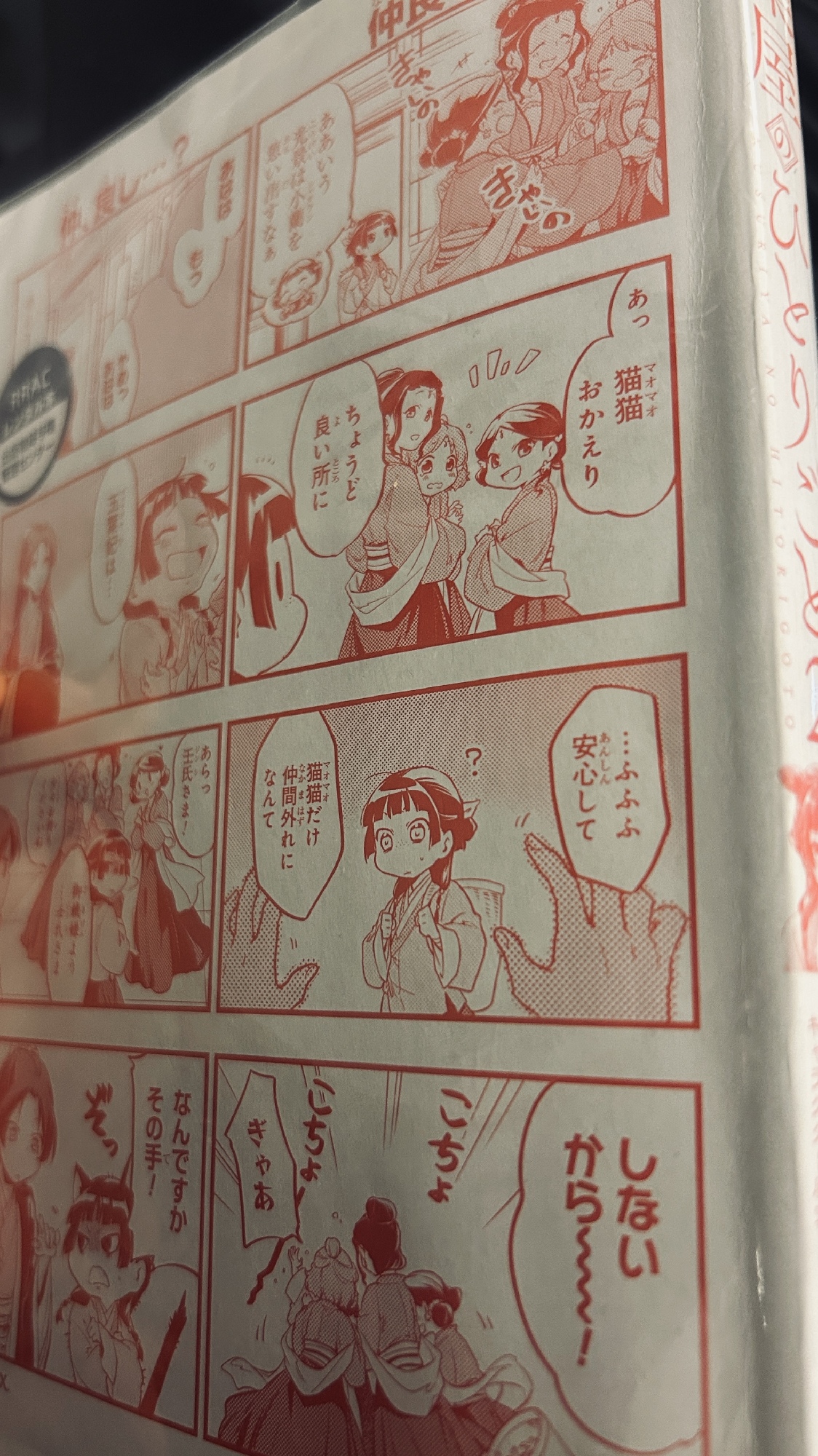
1) 物語の展開の速さ
第1巻もそうでしたが、とにかく物語の展開が早い。いえ、展開が早いというよりも、物語そのものが「設定」になっていると言っても良いかもしれません。物語る、あるいは物語られるのではなくて、そもそもがそういう設定だというわけです。
『薬屋のひとりごと』第2巻も、1ページ目で唐突に「帝に初めて声をかけられてしまった」とあります。またその後では、病気で伏せるお妃のベット脇に入り、その顔に触れるという場面が描き出されています。
古代中国では帝(みかど)の体に安易に触れることなど考えられなかったと言われています。帝の健康を管理する医師、鍼灸師、薬師も、帝の体には手首から脈(みゃく)を図ることくらいしか許されなかった。だから東洋医学では「脈診(みゃくしん)」の技術が発達したと言われています。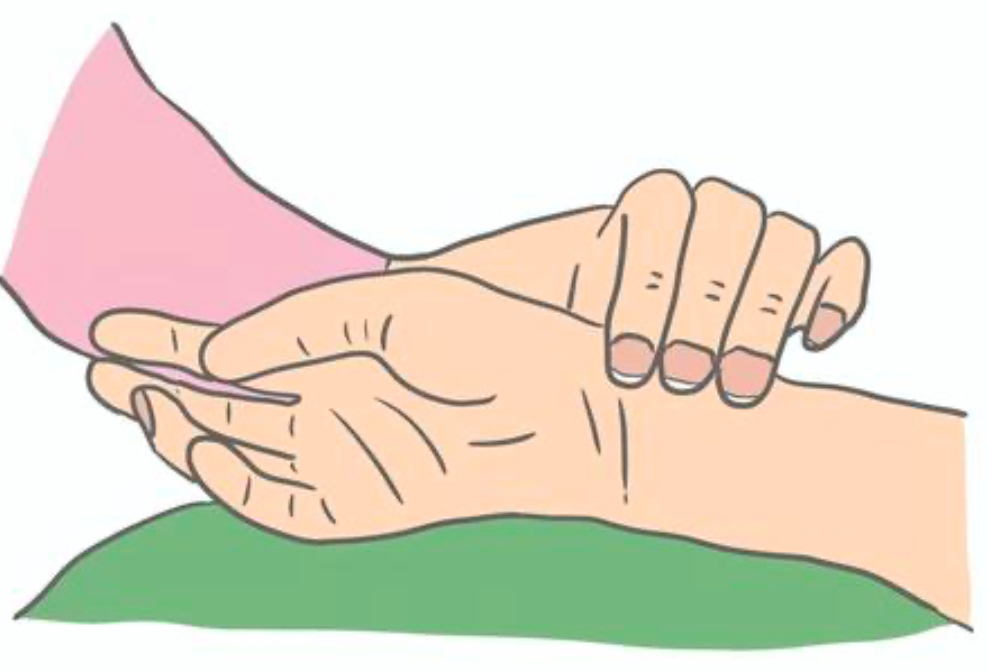
ところがこの物語では一気に王室の権威者に触れ、物語が展開されていくのです。歴史的な文化風習を背景としながらも、現代的なフラットな人間観もしくは価値観に物語世界が脚色されているようです。
時間は価値、タイムイズマネー。一回しかない自分の人生を潔く生きろ・・。そのようなメッセージを私は受け取りました。
2)他人事に思わされる体験の視点
第1巻でもそうでしたが、主人公は、自分が置かれる境遇を、どこかで他人事のように、冷めた目で、又は高みから見下ろすような視点を持って受け止めていきます。たとえ人攫(ひとさら)いに遭ったとしても、それは「傍迷惑にも」と言ってのける主人公の感覚は、どんな境遇にあってもむしろそれを楽しんでしまえ、といった強い励ましのメッセージのようにも感じます。
第2巻でも、活躍し始めた主人公に対する先輩たちからのイジメ、嫌がらせも発生しますが、それを「あー、面倒くさい」と言い切り、いくつもの修羅場を乗り越えてきたかのような言い草でスルーして見せるのです。
なんとか就職して、その会社にしがみついて、人間関係に揉まれつつも家族、将来のために耐えていくといった、さだまさしさんが『関白宣言』で歌ったような社会的生活はここにはありません。自分が嫌だと感じたらさっさと辞めてしまう。辞めないにしても、自己憐憫に陥ったり、自分を悲劇の主人公にするのはダサいと言わんばかりの見切りの速さ・・。それが現代の社会的生なのでしょう。
物語=設定だとしたら、自分を物語に支配させるのではなく、むしろその設定を楽しんでしまえ。向こうからやってくる予定調和的な波のように、これをクールに乗り切ってしまえ・・。作者はそう私たちに応援歌を送っているかのようです。
もしも物語=設定だとして、それをいかに自分の人生として受け入れてエンジョイすべきかが大きなテーマだとしたら、私たちの抱えている何某かの疾病でさえも、「設定」として受け入れて、その中で苦楽を味わい、人生の意味を問うという道筋さえ、目の前には開かれるのかもしれません。
私たち人間は、自然と問題意識を引き寄せる生き物と言われています。常に何かを気がかりにして、危険を回避すること。見えない、暗闇の向こうに潜む敵を察知し、瞬時に対応して自分と家族を守る術がここにあります。それが私たちの生存本能であるとも言えるわけです。
であるのなら、むしろ明確に問題として正体を表している疾病は、どうやっても解決できそうもない他の人生の問題よりは、はるかに乗り切りやすい設定なのかもしれません・・。
3)薬剤師は体の中に入る物の専門家であること
主人公は「薬師」でありながら、同時に自ら帝の食べる食物の毒味役としての役割を果たします。
現在医薬品として流通するお薬も開発当初は治験(ちけん)を通して、医薬品としての効果効能、有効性を検証された上で私たちの手元に届きます。
医薬品の治験は、最初は人間の器官と類似性の認められるウサギやネズミなどに投与され、その効果を検証されます。その後、治験を受ける務めを自ら名乗り出た健常者、そしてその医薬品が対象とする疾病を持つ患者に投与されるという経過を辿ります。主人公は、「毒味役」という形ですが、治験におけるこれらの務めを一身に背負って果たしているわけです。
お薬や毒物の性質を理解していれば、それを飲むとどのような作用が体に現れるかを知ることができます。主人公は、自らの見識ならびに経験を介して、そこにどのような毒物が入っているのかを推定していっているわけです。
第2巻ではふぐ毒を毒味する主人公が登場しています。描写では、まるでそのふぐ毒を味わい楽しむかのような変態的な主人公の姿が描かれていますが、歴史的には確かに微量に入ったふぐ毒を口にして舌の痺れを楽しむということがあったそうです。もちろん、そんなことは大変危険性の伴うことであり、現在、認められることではありません。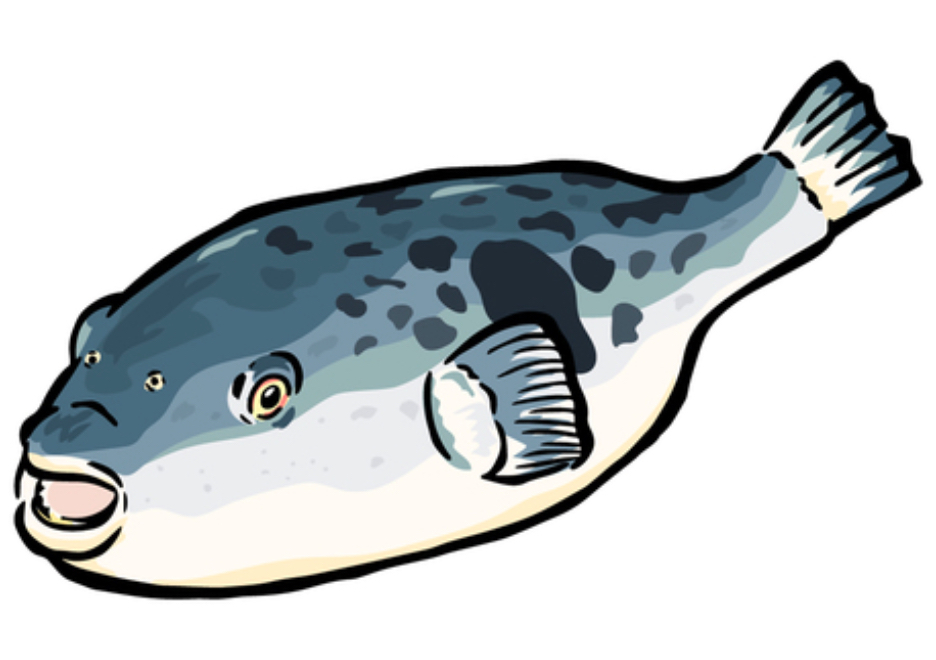
ふぐ毒は化学名が「テトロドキシン」という毒物で、薬学を学ぶ人間ならかなり基礎的な薬理学の勉強の段階で接する名前です。河豚(ふぐ)が自ら体の中に合成するものではなく、海中の藻を食することで次第に体内に溜め込むものです。ほんの数mgで人が致死に至る大変危険な毒物です(たとえばそれはトリカブトの毒性の数十倍と言われています)。そんな危険性がある上に、海中の藻が由来という不確定要因があるわけですから、これを嗜好品として扱うなど自殺行為と言えるでしょう。
・・ともあれ主人公がその薬学的な知見を用いて、人間の体内に入る毒物に対して専門性のある対応をしていることがお分かりになられると思います。
また主人公はお妃の病気の回復を、食事で目指そうとしています。病気を薬で治すのではなく、食事で治すということ。ここには東洋医学における「薬膳」(やくぜん)の考え方が背景にあります。食物を、それ自身、お薬として受け取る考え方です(医食同源という言葉もあります)。
あまり聞き慣れない「薬膳」という言葉ですから(何か小難しい感じもする)、縁のない考え方のようにも感じられるかもしれませんが、実際のところ、テレビでは食べ物の持つ治療効果に着目した番組が人気です。バナナが良いと報道されたら食料品店からバナナが消え、アボガドが良いと言われたら同様の現象が起こる。結局これらも、言ってみれば薬膳的な考え方が土台にあるわけです。
実際に、お薬が体に入ってから、体外に排出されるまでの経路は、食物が辿るそれと同様なので、お薬の専門家であるということは、半分、食べ物の専門家であると言っても、そう間違いではないとも言えるのです。
身近な薬局の薬剤師にも、食べ物についての疑問があれば問い合わせていただければ、それは薬剤師冥利に尽きると思います。
I’m Kurihara, a pharmacist involved in home medical care in Fuji City and Fujinomiya City.
Following my previous post, I went on to read Volume 2 of The Apothecary Diaries. Before diving into my impressions, I’d like to briefly share a few personal thoughts about my own relationship with manga.
目次
Manga Was the Mainstream Entertainment for My Generation
What Manga Means to the Second Baby Boomers…
Reading Volume 2 of The Apothecary Diaries
1) The Rapid Progression of the Story
When I think about “what manga means to me,” I believe that it also reflects what manga meant to my generation—the Second Baby Boomers. So this might carry some general relevance.
Manga Was the Mainstream Entertainment for My Generation
I can’t quite remember if “rental manga” existed during my youth. If they did, I probably would have used them—but I have no memories of that. I do think there were manga cafés, though.
Since elementary school, I was buying and reading Weekly Shonen Jump. Back then, I enjoyed reading just about any manga. I was hungry for all kinds of content. Unlike today’s world with subscription services offering movies and sports, manga was especially popular because it was easy to get.
But as a kid who loved basketball, when the wildly popular Slam Dunk reached its finale, it left a huge void in my heart. After that, I read a few socially conscious manga (Monster, Division Chief Shima Kosaku, The Silent Service), but my deep and happy connection with manga from my youth had certainly come to an end.
What Manga Means to the Second Baby Boomers…
For people of my generation—the Second Baby Boomers, or the Employment Ice Age Generation—I suspect that it became increasingly difficult to maintain that same joyful connection with manga once we entered adulthood.
Nowadays, many elementary school libraries stock a wide range of manga, and society has started to use manga for educational purposes. Even Doraemon, as seen on TV, has become remarkably refined, incorporating educational elements that explain scientific concepts in easy-to-understand ways. In other words, we now live in an era where people can engage with manga without the guilt or stigma once associated with it, like it being “evil” or a waste of time.
But it wasn’t like that in my time. Even though manga was appealing, society demanded that we focus on “reality.”
Still, among our generation, there were brave souls who were socially labeled as “otaku” and lived through those less-accepted times. These “otaku” supported Japan’s manga culture, and now that culture has become globally respected. In fact, their dreams and hopes—once labeled as the resentment of the defeated—have been sublimated into globally admired content.
Indeed, today’s thriving manga culture feels like a form of emotional redemption for my generation.
Reading Volume 2 of The Apothecary Diaries
As I mentioned last time, the release of a medication notebook featuring cover illustrations from The Apothecary Diaries, in collaboration with the Japan Pharmaceutical Association, inspired me to actually pick up the manga and read it.
Here are the three main things I felt after reading Volume 2:
1) The Rapid Progression of the Story
As with Volume 1, the story moves quickly—or rather, it might be more accurate to say that the story itself is the “setting.” It’s not about storytelling or being told a story. The narrative just is.
Volume 2 opens abruptly with the line “The Emperor spoke to me for the first time.” Soon after, the protagonist is depicted entering the bedroom of a sick concubine and even touching her face.
In ancient China, it’s said that no one would dare touch the Emperor’s body casually. Even physicians, acupuncturists, and herbalists were only allowed to take his pulse from the wrist. That’s why “pulse diagnosis” became a refined technique in Eastern medicine.
Yet in this manga, the protagonist casually touches royalty, and the story unfolds rapidly. While based on historical cultural traditions, the narrative world is colored with a modern, egalitarian human perspective or set of values.
Time is value. Time is money. Live your one and only life with conviction… That was the message I took away.
2) A Detached Yet Empowering Perspective
Just like in Volume 1, the protagonist views her circumstances with a detached, sometimes cold, almost superior gaze. Even when she’s kidnapped, she shrugs it off as an “inconvenience,” which feels like a powerful encouragement to embrace your circumstances—whatever they may be—and enjoy life nonetheless.
In Volume 2, as she starts gaining attention, she becomes the target of bullying from senior maids. But she dismisses it with a simple “Ugh, what a pain,” as though she’s already been through much worse.
There’s no socially scripted life here—like the one Masashi Sada sings about in “Kanpaku Sengen,” where you cling to a job, endure hardship for your family, and plan for the future. If something doesn’t suit you, you quit. Even if you don’t quit, wallowing in self-pity or playing the tragic hero is seen as uncool. This is modern life.
If the story = setting, then don’t let the story rule your life. Enjoy the setting. Ride the waves that come your way like a pro surfer. That’s the kind of cheerleading this story seems to offer.
If story = setting, then maybe even the illnesses we carry can be accepted as “settings”—opportunities to savor the ups and downs, reflect on the meaning of life, and grow. That pathway might be open to us, too.
Humans are said to be creatures that naturally attract problem awareness. We constantly worry in order to avoid danger. We sense unseen threats in the darkness, and act instantly to protect ourselves and our families. That’s our survival instinct.
If that’s true, then diseases—problems whose identities are already revealed—might actually be easier “settings” to deal with than the unsolvable issues life throws at us.
3) Pharmacists Are Experts in What Enters the Body
The protagonist, though a “herbalist,” also serves as a food taster for the Emperor.
Modern medications also reach us only after clinical trials that test their efficacy and safety as medicines.
The process starts with testing on animals whose organs resemble humans (like rabbits or mice), then on healthy human volunteers, and finally on patients with the target disease. As a “food taster,” the protagonist embodies all these roles.
By understanding the properties of medicines and toxins, one can predict how the body will respond to them. The protagonist uses her knowledge and experience to deduce which toxins are present.
In Volume 2, there’s a scene where she tastes fugu poison. While the manga playfully depicts her as enjoying it perversely, historically, people did taste trace amounts to feel the numbness. Of course, this is extremely dangerous and should never be done today.
Fugu poison’s chemical name is tetrodotoxin, a basic pharmacology term. The pufferfish doesn’t synthesize it—it accumulates it by eating certain marine algae. Just a few milligrams can be lethal to humans—many times more toxic than aconite. Given the dangers and the unpredictability of the algae source, eating it as a delicacy is practically suicidal.
Nonetheless, the protagonist applies her pharmacological knowledge to expertly handle substances that enter the body.
She also tries to restore the concubine’s health through food rather than medicine—a concept from Eastern medicine known as “medicinal cuisine” (yakuzen). It’s the philosophy of treating food itself as medicine (akin to the idea of “food and medicine being one”).
“Yakuzen” may sound foreign or difficult, but in reality, TV shows about the healing powers of food are very popular. When bananas are touted as healthy, they vanish from stores. Same with avocados. These trends are essentially rooted in the philosophy of yakuzen.
In fact, the route medicine takes through the body is the same as food. So to say that pharmacists—experts in medicine—are also experts in food isn’t much of a stretch.
If you ever have questions about food, please feel free to consult your local pharmacist. It’s one of the greatest joys of being a pharmacist.