



特許表示の意味について
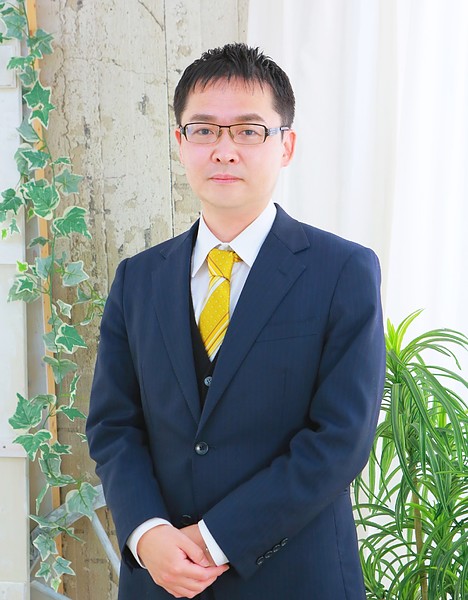
こんにちは、弁理士の福島です。
今回は、弊所の実績をスタッフ(K)からご紹介します。
業種
■建設業・製造業
□卸売業・小売業
□サービス業
規模
□小規模(従業員数5人以下)
□中規模(従業員数6人以上、50人以下)
■大規模(従業員数51人以上)
相談分野
■特許・実用新案・意匠
□商標
□著作権・不正競争防止
□補助金
1.相談内容
クライアントは、情報システムに係る特許出願を行いましたが、審査において拒絶理由通知を受領したため、その対応について当所に相談されました。
2.解決策
拒絶理由通知書では、(1)発明該当性、(2)サポート要件、(3)明確性の3点が拒絶理由として指摘されていました。当所では、それぞれの指摘に応じた補正方針を検討し、以下の対応を行いました。
(1)発明該当性
出願には方法の発明が含まれていましたが、当該方法の各工程における「動作主体」が記載されていなかったため、審査官により動作主体が「ヒト」と解され、自然法則を利用した発明とはいえないと判断されました。
そこで、動作主体が「サーバ」であることを明確にする補正を行い、発明該当性を満たす形式へ改善しました。
(2)サポート要件
請求項の記載範囲が、出願当初の明細書に記載された具体的内容を超えて一般化されていたため、サポート要件に適合しないと指摘されていました。
これに対して、請求項を明細書に記載された実施形態の範囲内に収まるよう具体的な構成へと補正しました。
(3)明確性
請求項中に「異なる概念が混在している記載」や、「技術常識に整合しない記載」が含まれているとして、明確性違反が指摘されていました。
サポート要件と同様に、出願当初明細書に沿った具体的かつ整合性のある記載へ補正することで、明確性の問題も解消しました。
(参考)特許法の規定(抜粋)
https://laws.e-gov.go.jp/law/334AC0000000121
第29条第1項柱書(発明該当性)
「産業上利用することができる発明をした者は、(略)その発明について特許を受けることができる。」
第36条第6項第1号(サポート要件)
「特許を受けようとする発明が発明の詳細な説明に記載したものであること。」
第36条第6項第2号(明確性)
「特許を受けようとする発明が明確であること。」
3.結論
拒絶理由通知では、新規性・進歩性だけでなく、発明該当性、サポート要件、明確性など、形式面の要件が指摘されることも少なくありません。これらの指摘に適切に対応するためには、明細書・請求項の記載内容を精査し、必要な補正を行うことが重要です。
当所では、特許出願に関する各種ご相談や、拒絶理由通知への対応を承っております。どうぞお気軽にお問い合わせください。
英文
1. Consultation Content
The client filed a patent application related to an information system, but received a Notice of Rejection during examination. The client consulted our firm on how to address the issue.
2. Solution
The Notice of Rejection cited three reasons for refusal: (1) eligibility for invention, (2) support requirement, and (3) clarity. We considered amendment strategies based on each of these points and implemented the following solutions.
(1) Eligibility for Invention
The application included a method invention, but the "actor" for each step of the method was not stated. The examiner interpreted the actor as a "human" and determined that the invention did not utilize a law of nature.
Therefore, an amendment was made to clarify that the actor was a "server," thereby improving the format to meet eligibility for invention.
(2) Support Requirement
The client was pointed out that the scope of the claims was generalized beyond the specific content described in the original specification and therefore did not comply with the support requirement.
In response, we amended the claims to include specific configurations within the scope of the embodiments described in the specification.
(3) Clarity
The claims were found to lack clarity due to "statements that mix different concepts" and "statements that are inconsistent with common general knowledge."
As with the support requirement, the clarity issue was resolved by amending the claims to be specific and consistent with the original specification.
(Reference) Patent Act Provisions (Excerpt)
https://laws.e-gov.go.jp/law/334AC0000000121
Article 29, Paragraph 1, Heading (Eligibility for Invention)
"Any person who has made an invention that is industrially applicable may obtain a patent for that invention."
Article 36, Paragraph 6, Item 1 (Support Requirement)
"The invention for which a patent is sought must be described in the detailed description of the invention."
Article 36, Paragraph 6, Item 2 (Clarity)
"The invention for which a patent is sought must be clear."
3. Conclusion
Notices of reasons for refusal often point out formal requirements, such as eligibility for invention, support requirement, and clarity, in addition to novelty and inventive step. In order to respond appropriately to these points, it is important to carefully examine the contents of the specification and claims and make any necessary amendments.
Our firm provides advice on various aspects of patent applications and responds to office action notices. Please feel free to contact us.