


雨の日に頭痛がしたりする原因にはちょっと複雑な事情が絡んでいます
富士市・富士宮市で在宅医療に携わっている薬剤師の栗原です。
暑い日が続いていますが、皆さんはどのように日々を乗り切っておられるでしょうか。
仕事、勉強、家庭のこと。
30代という年代は、責任も裁量も増え、「ここが踏ん張りどころだ」と感じる場面が少なくありません。
多少、体に無理をかけても、乗り越えなければならない局面が人生には確かに存在します。
そうした局面で、多くの方が頼りにするのが、手軽に入手でき、即効性を期待できる栄養ドリンクやエナジードリンクではないでしょうか。
忙しい朝、残業前、試験やプレゼンの直前。
「とりあえず1本」という選択は、もはや現代のビジネスシーンに組み込まれた習慣とも言えます。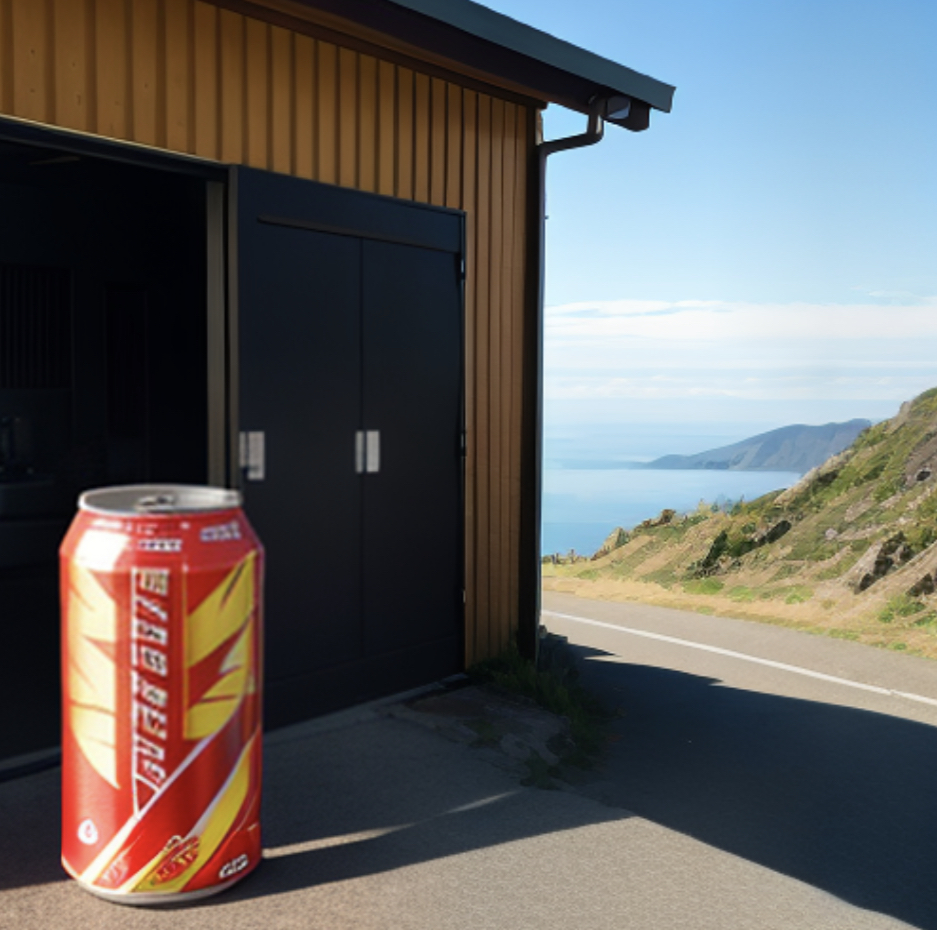
目次
1) Are nutritional tonics and energy drinks the same thing?
2) Lipovitan D created the market for “nutritional tonics”
3) “Efficacy and effects” approved for nutritional tonics
4) Risk management is also necessary with nutritional tonics
5) Why are nutritional tonics 100 cc?
6) Oronamin C as the prototype of energy drinks
7) Ingredients and characteristics of energy drinks
8) Why “taste” is a key factor
⸻
1) 栄養剤とエナジードリンクは“同じもの”なのか?
ここで一度、立ち止まって考えてみたいと思います。
栄養剤とエナジードリンクは、果たして同じものなのでしょうか?
それとも、似て非なる別物なのでしょうか?
実はこの違いが曖昧なまま使われていることが、思わぬ体調不良やパフォーマンス低下につながることがあります。
言い換えれば、プロダクトの特性を理解しないまま使っている状態です。
たとえば、
エナジードリンクを「栄養剤と同じ効果があるはず」と期待して飲み続けても、期待した成果は得られません。
むしろ、カロリーやカフェインの過剰摂取によって、集中力や睡眠の質が落ちるといった、逆効果すら起こり得ます。
結論をシンプルに言うと、
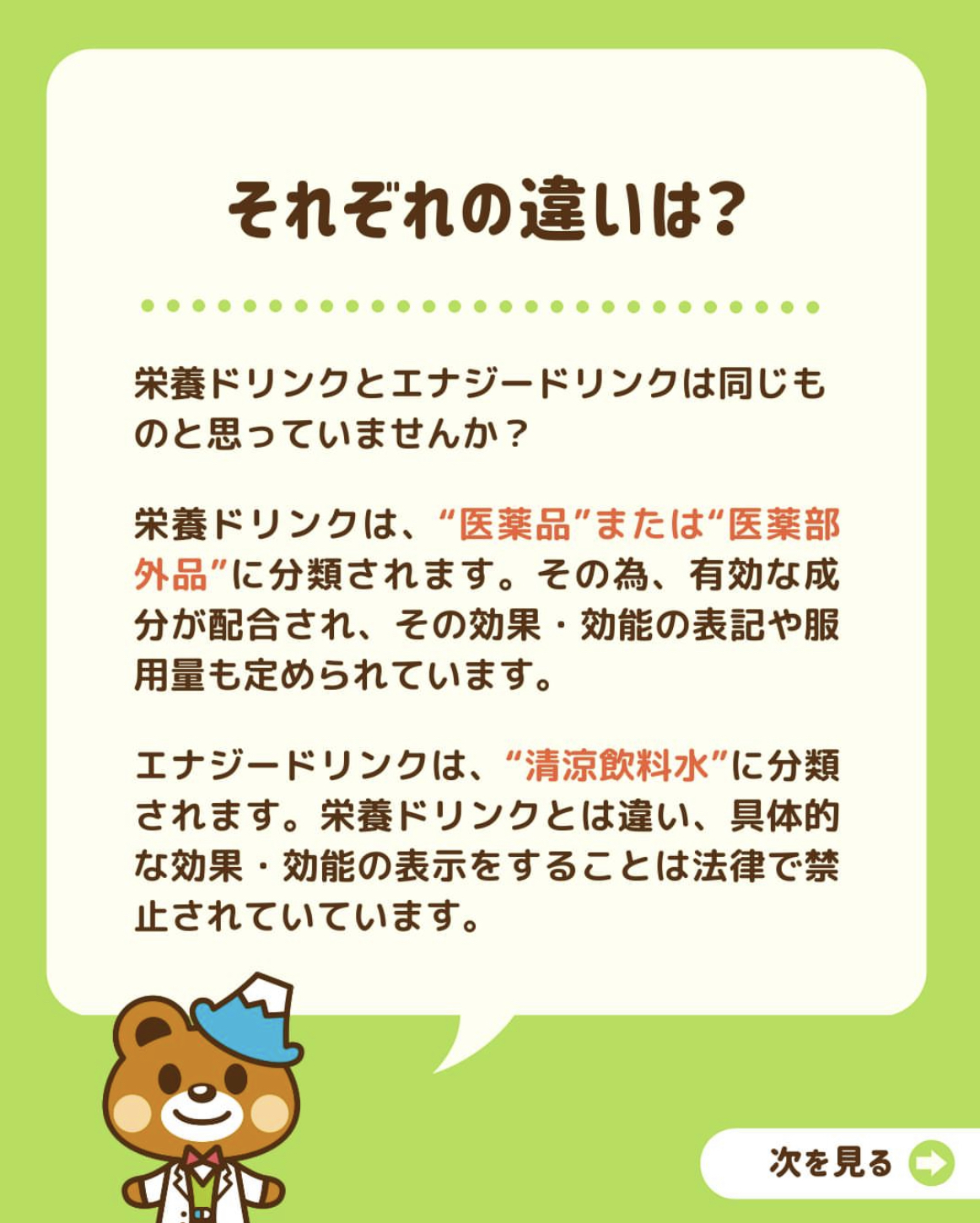
栄養剤には薬機法に基づき、効能効果が認められた成分が含まれている
一方で、エナジードリンクにはそれがありません。
これは、「エナジードリンクに意味がない」という話ではありません。
ポイントは、
疾病や症状に対して、医学的・薬理学的に裏付けのある“直接的な作用”があるかどうか
という点です。
どちらもビタミンやカフェインなど、日常の食事より高濃度の成分を含んでいるため、使い方を誤るとリスクが生じるのは共通しています。
そこで今回は、
栄養剤とエナジードリンクの違いを整理し、賢く使うための視点をお伝えします。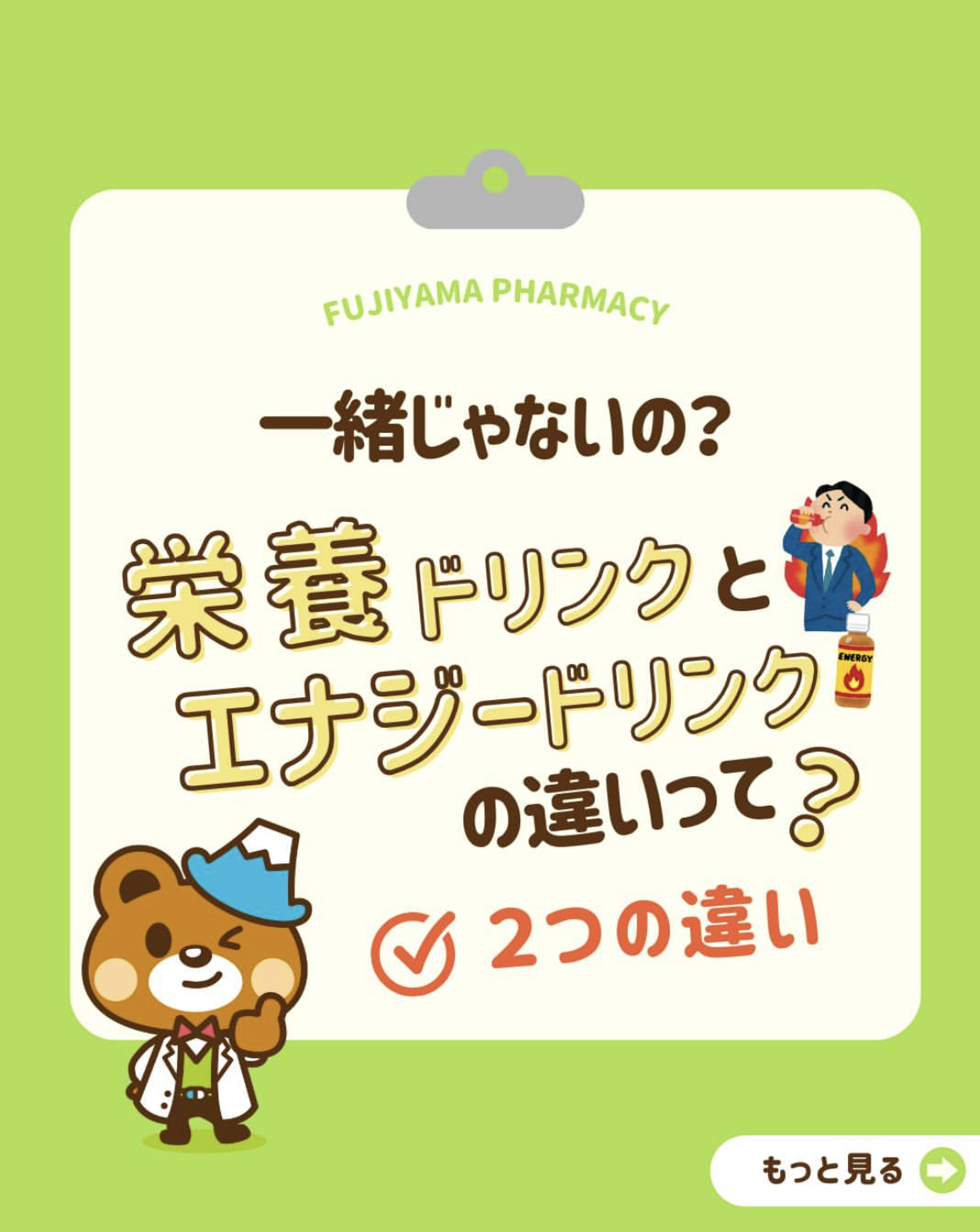
⸻
2) リポビタンDは「栄養剤」という市場をつくった
日本における栄養剤の原型は、リポビタンDです。
それ以前にも、アンプル剤(注射用の小型ガラス容器)などは存在していましたが、「大人が一気に飲み切れる100cc」というスタイルを定着させた点で、リポビタンDの功績は非常に大きいと言えます。
プロダクト設計、ユーザー体験、ブランディング。
今の言葉で言えば、市場を定義し、カテゴリーを確立した成功例です。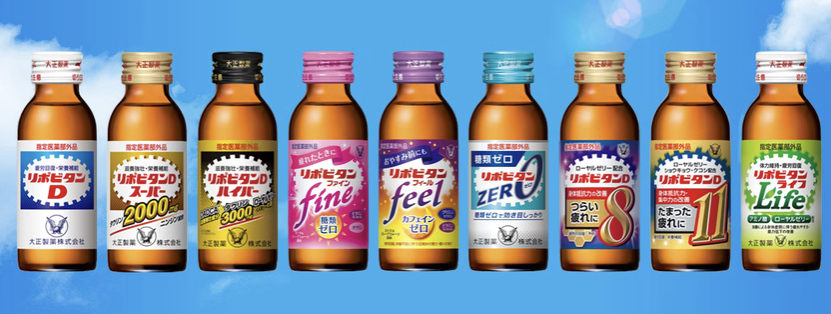
⸻
3) 栄養剤に認められている「効能効果」
栄養剤に含まれる主な成分は、
糖類、各種ビタミン、タウリンなどです。
これらは指定医薬品、あるいは医薬部外品として扱われ、「効能効果」を表示することが法的に認められています。
たとえば、
- 疲れている時
- 風邪を引いた時
- 集中力を維持したい時
- 不眠時
- 眼精疲労時
目的が明確であれば、必要な成分をピンポイントで補える。
これは忙しいビジネスパーソンにとって、非常に合理的な選択です。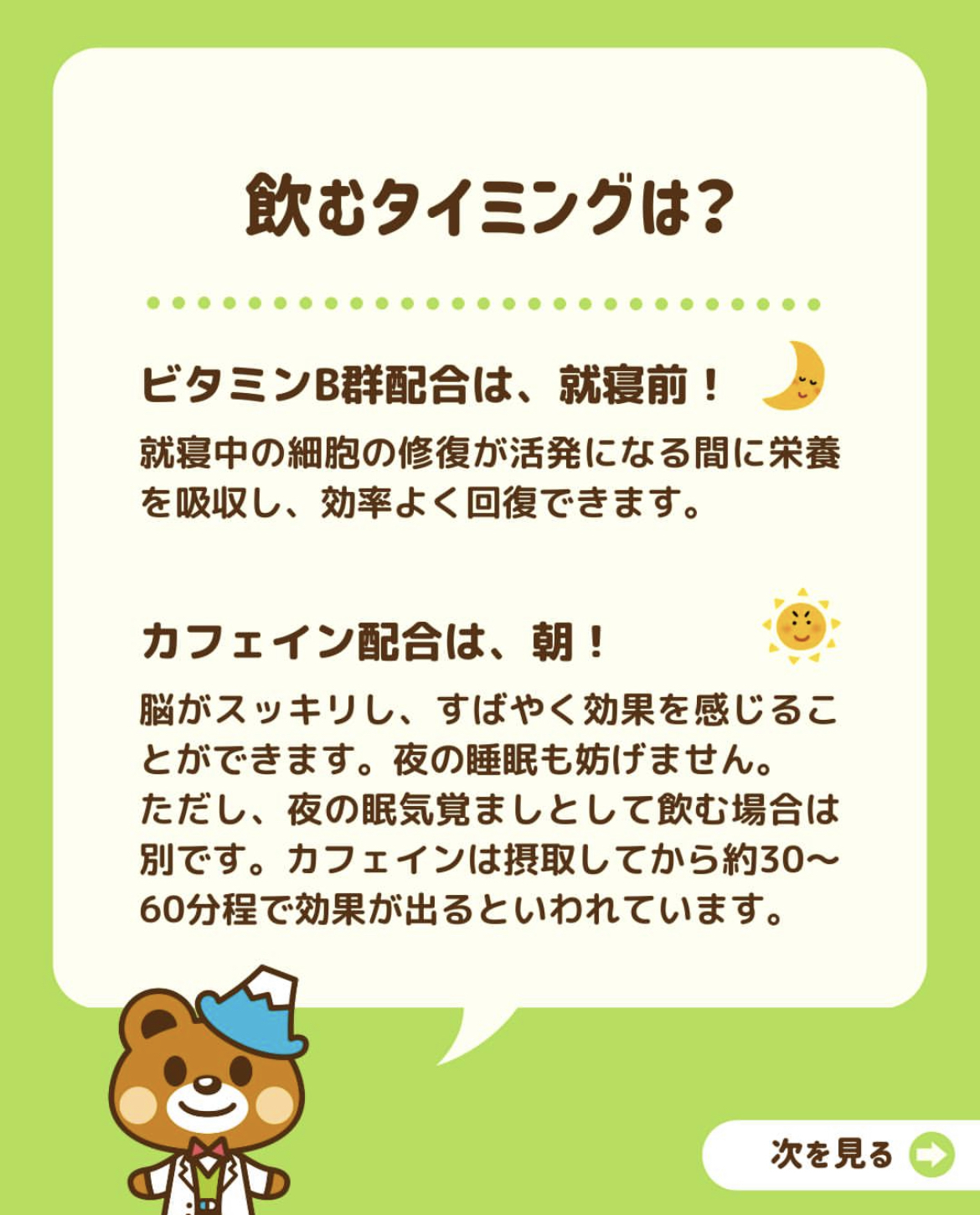
⸻
4) 栄養剤にも「リスク管理」は必要
医薬品である以上、過剰摂取はリスクになります。
特に注意したいのがカフェインです。
カフェインは脳を覚醒させ、眠気や疲労感を一時的に軽減します。
一方で、摂りすぎると不安感、動悸、不眠、集中力低下
といったマイナスの影響を及ぼします。
海外では、エナジードリンクの過剰摂取による健康被害も報告されています。
水溶性ビタミンは体外に排出されやすいものの、糖分やカフェインは蓄積的に作用します。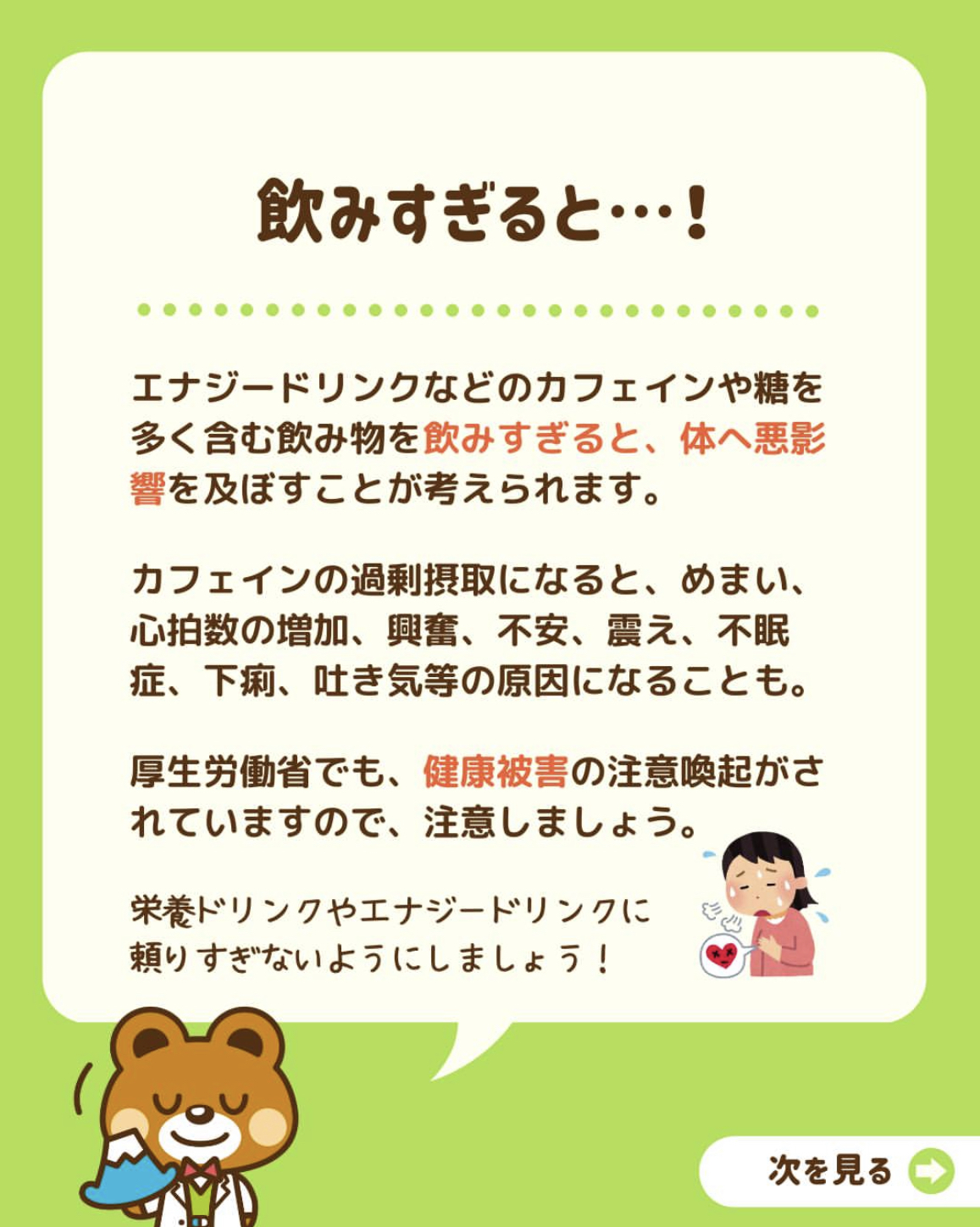
カフェインは、
- コーヒー
- 紅茶
- チョコレート
- 風邪薬
など、さまざまな食品・医薬品に含まれています。
気づかぬうちにトータル摂取量が過剰になる点は、ぜひ意識しておきたいところです。
また、服用中の薬との相互作用や、持病との関係も見逃せません。
日常的に飲んでいる方は、一度薬剤師に相談していただくことをおすすめします。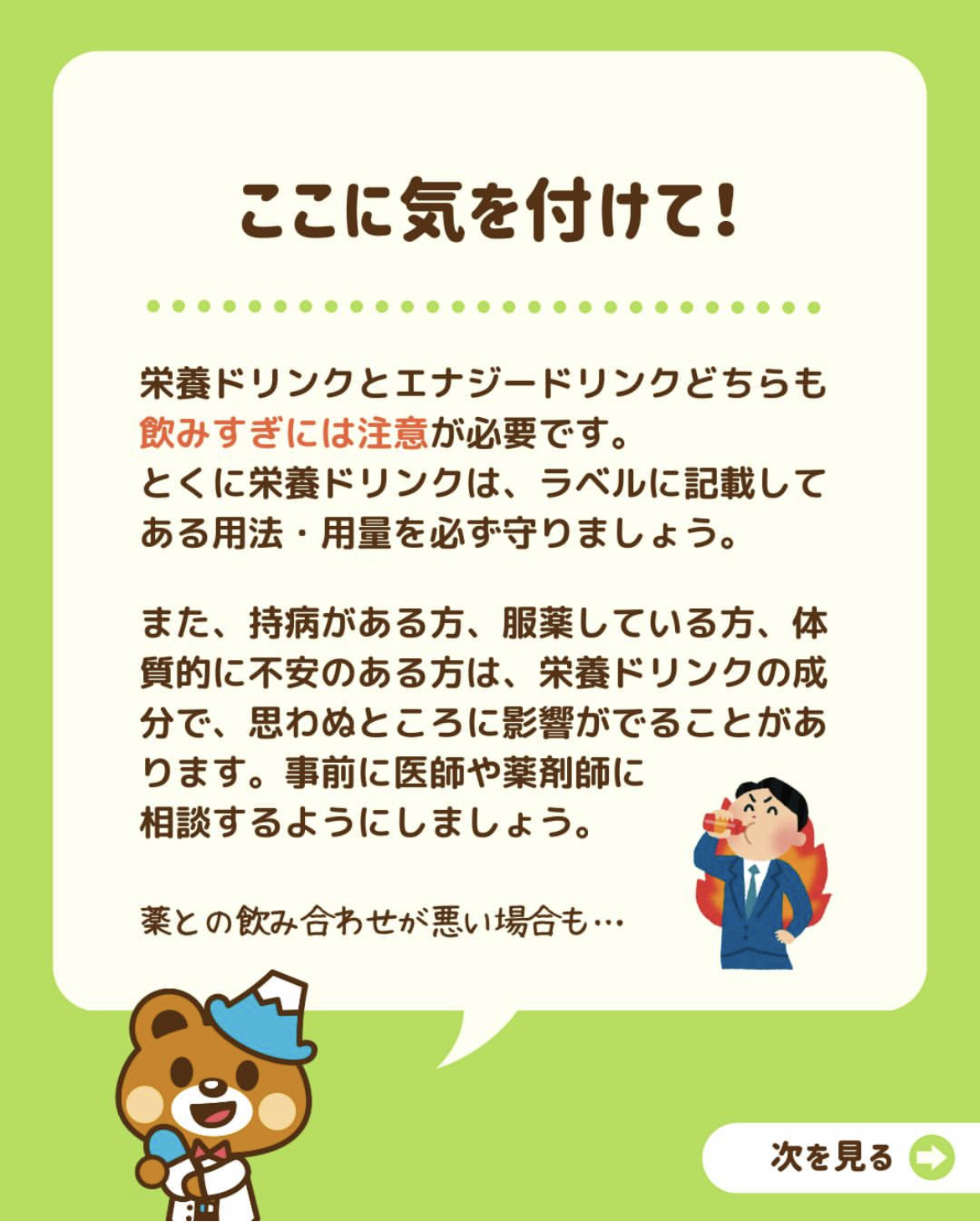
⸻
5) なぜ栄養剤は100ccなのか
多くの栄養剤が100ccである理由には、合理性があります。
成人男性が一口で飲み切れる量
これが定説です。
一気に飲み切ることで、達成感やスイッチが入った感覚が生まれ、集中モードに切り替わる。
これは心理学的にも説明可能な現象です。
⸻
6) オロナミンCはエナジードリンクの原型
オロナミンCは、エナジードリンクの原点とも言える存在です。
こちらは医薬品ではなく、清涼飲料水として販売されています。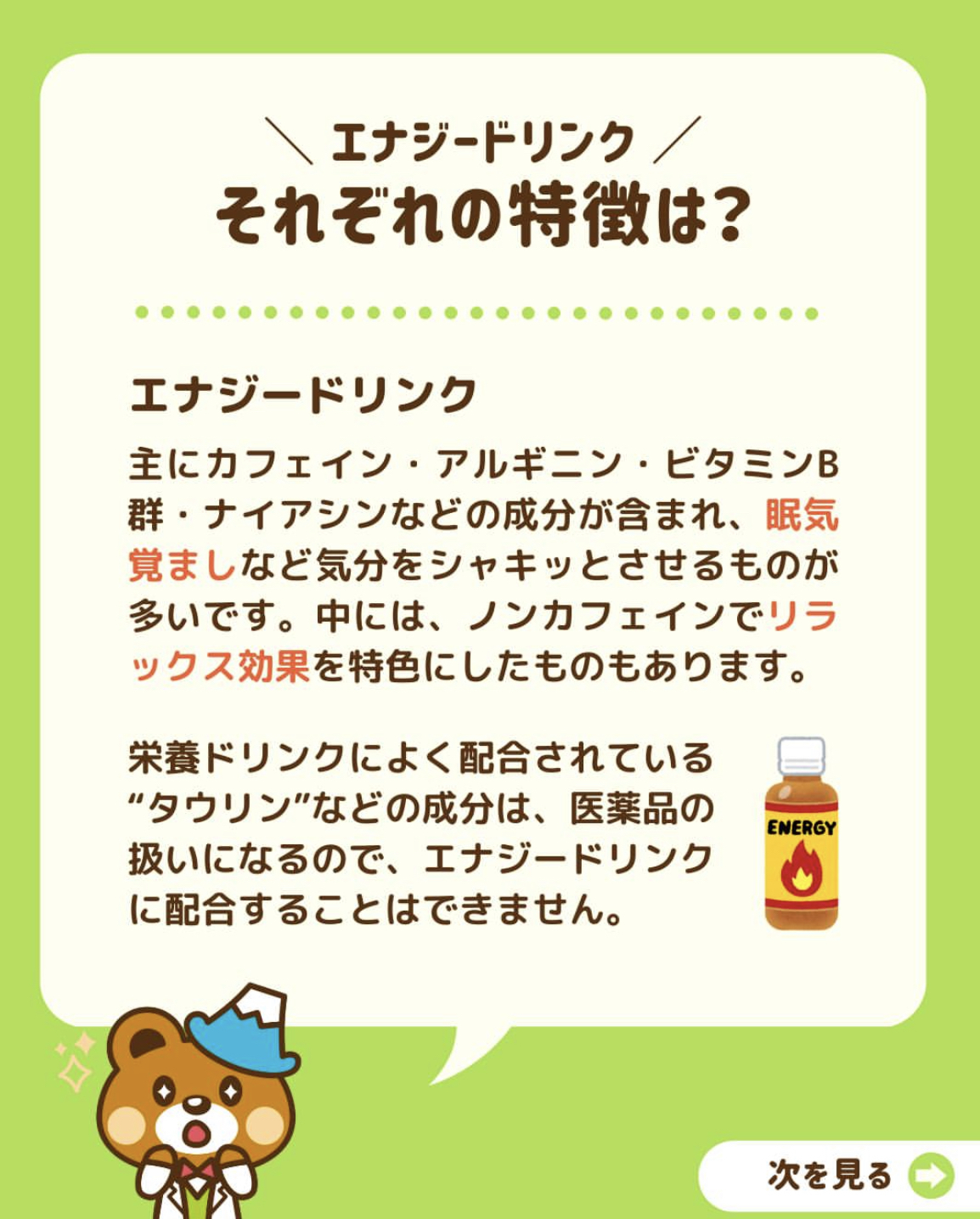
⸻
7) エナジードリンクの成分と特徴
主成分は糖類、カフェイン、アルギニン、生薬成分など。
カフェイン濃度自体はコーヒーより低いこともありますが、一度に飲む量が多いため、結果的に摂取量が増える点が特徴です。
短期的なパフォーマンス向上と引き換えに、
長期的な疲労の前借りになっていないか。
ここは冷静に見極めたいところです。
⸻
8) 「味わい」が支持される理由
エナジードリンクは、味や炭酸による飲みやすさも重要な要素です。
「元気のため」だけでなく、「好きだから飲む」という動機が成立しています。
これはブランド戦略としても非常に強力です。
⸻
9) エナジードリンクを3つに分類する
1)オロナミンC系
2)子ども向けデザイン(デカビタなど)
3)海外ブランド(モンスター、レッドブル)
特に3つ目は、ライフスタイルに溶け込むイメージ戦略で若者層に浸透しました。
⸻
10) 手軽さの裏にある落とし穴
エナジードリンクは誰でも買える。
だからこそ、自己管理が求められます。
栄養剤もエナジードリンクも、正しく使えば非常に便利なツールです。
知識を持つことが、パフォーマンスを守る最良の戦略です。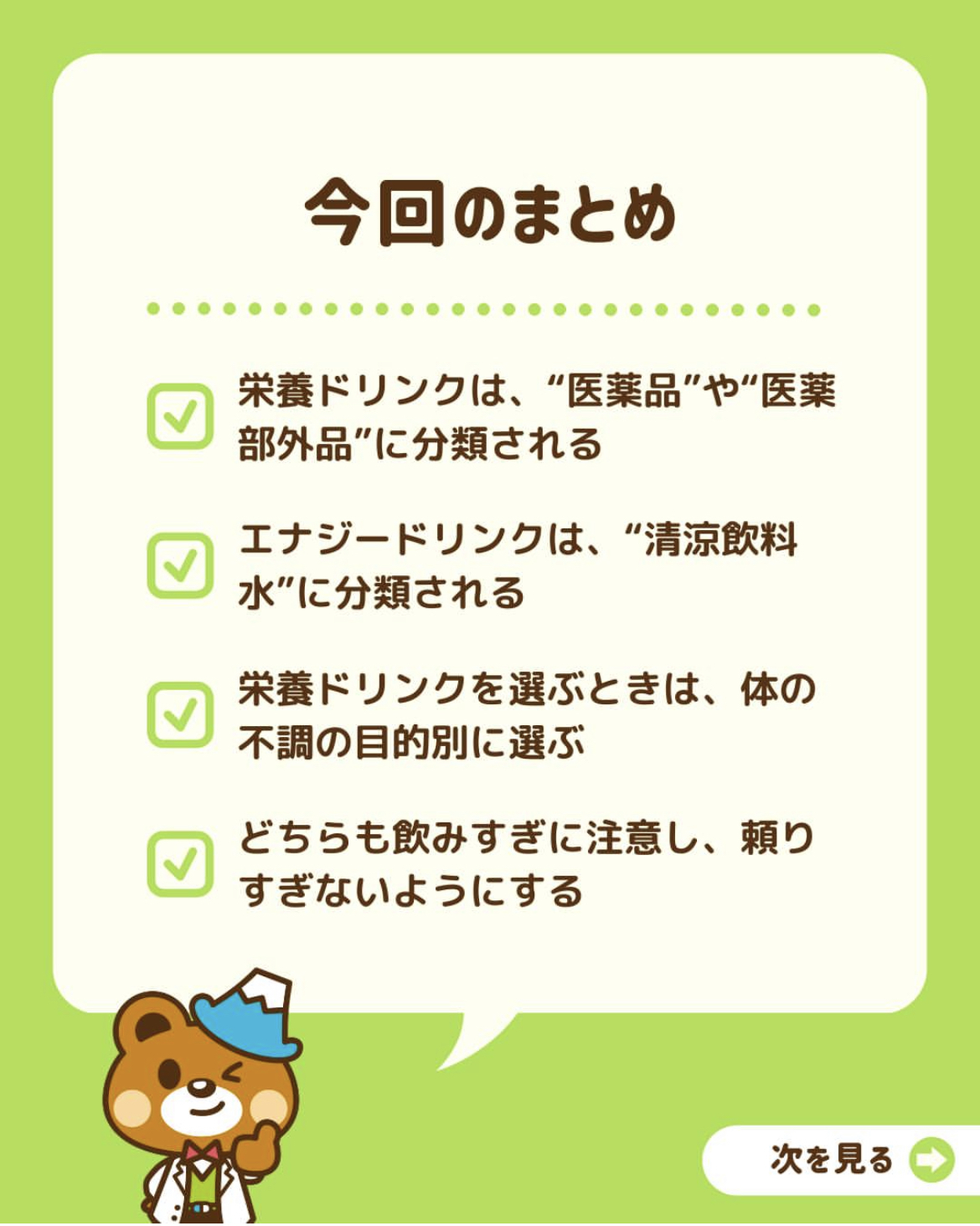
⸻
I am Kurihara, a pharmacist involved in home medical care in Fuji City and Fujinomiya City.
The heat continues day after day—how are you all getting through your daily lives?
Work, studies, family responsibilities.
For people in their 30s, responsibilities and discretion increase, and there are many moments when one feels, “This is the point where I have to push through.”
There are certainly phases in life when we must endure and push ourselves physically, even to some extent.
In such moments, many people turn to
nutritional tonics and energy drinks that are easy to obtain and promise immediate effects.
A busy morning, before overtime work, just before an exam or a presentation.
Choosing “just one bottle for now” has become a habit embedded in modern business life.
目次
1) Are nutritional tonics and energy drinks the same thing?
2) Lipovitan D created the market for “nutritional tonics”
3) “Efficacy and effects” approved for nutritional tonics
4) Risk management is also necessary with nutritional tonics
5) Why are nutritional tonics 100 cc?
6) Oronamin C as the prototype of energy drinks
7) Ingredients and characteristics of energy drinks
8) Why “taste” is a key factor
⸻
1) Are nutritional tonics and energy drinks the same thing?
Here, I would like us to pause and think for a moment.
Are nutritional tonics and energy drinks really the same?
Or are they similar yet fundamentally different?
In fact, using them without clearly understanding this distinction can lead to unexpected physical discomfort or decreased performance.
In other words, it means using a product without fully understanding its characteristics.
For example,
if you continue drinking energy drinks expecting them to have the same effects as nutritional tonics, you may not achieve the results you hoped for.
On the contrary,
excessive intake of calories or caffeine may even reduce concentration and worsen sleep quality, producing the opposite effect.
To put the conclusion simply,
nutritional tonics contain ingredients whose effects and efficacy are officially recognized under the Pharmaceuticals and Medical Devices Act,
whereas energy drinks do not.
This does not mean
“energy drinks are useless.”
The key point is whether there is
a medically and pharmacologically supported “direct effect” on specific conditions or symptoms.
Both contain higher concentrations of ingredients such as vitamins and caffeine than those found in ordinary meals, so
there is a shared risk if they are used improperly.
With that in mind,
this article aims to clarify the differences between nutritional tonics and energy drinks, and to provide perspectives for using them wisely.
⸻
2) Lipovitan D created the market for “nutritional tonics”
The prototype of nutritional tonics in Japan is Lipovitan D.
Before its introduction,
ampoule preparations (small glass containers originally intended for injections) already existed.
However, Lipovitan D’s contribution was enormous in establishing
the format of “100 cc that an adult can drink in one go”.
Product design, user experience, branding—
in today’s terms, it is a classic example of defining a market and establishing a category.
⸻
3) “Efficacy and effects” approved for nutritional tonics
The main ingredients found in nutritional tonics include
sugars, various vitamins, and taurine.
These products are classified as designated quasi-drugs or pharmaceuticals, and
they are legally permitted to display their “efficacy and effects.”
For example:
- When you are tired
- When you have caught a cold
- When you want to maintain concentration
- During insomnia
- When experiencing eye fatigue
When the purpose is clear,
you can supplement exactly the nutrients you need.
For busy business professionals, this is a highly rational choice.
⸻
4) Risk management is also necessary with nutritional tonics
Because they are pharmaceutical products, excessive intake carries risks.
One ingredient that deserves particular attention is caffeine.
Caffeine stimulates the brain and temporarily reduces drowsiness and feelings of fatigue.
However, excessive consumption can cause
anxiety, palpitations, insomnia, and reduced concentration,
leading to negative effects.
Overseas, health problems caused by excessive consumption of energy drinks have also been reported.
While water-soluble vitamins are easily excreted from the body,
sugars and caffeine can have cumulative effects.
Caffeine is found in many sources, including:
- Coffee
- Tea
- Chocolate
- Cold medicines
It is important to be aware that your total intake can easily become excessive without you realizing it.
Interactions with medications you are already taking, as well as existing medical conditions, should not be overlooked.
If you consume these products regularly, I recommend consulting a pharmacist at least once.
⸻
5) Why are nutritional tonics 100 cc?
There is a rational reason why many nutritional tonics come in 100 cc bottles.
It is the amount an adult male can drink in a single gulp.
By finishing it in one go,
a sense of accomplishment and a psychological “switch” are triggered, helping the mind shift into a focused mode.
This phenomenon can also be explained from a psychological perspective.
⸻
6) Oronamin C as the prototype of energy drinks
Oronamin C can be considered the origin of energy drinks.
It is not a pharmaceutical product, but rather
sold as a soft drink.
⸻
7) Ingredients and characteristics of energy drinks
The main ingredients are
sugars, caffeine, arginine, and herbal components.
Although the caffeine concentration itself may be lower than that of coffee,
the large volume consumed at one time often results in a higher total intake.
In exchange for short-term performance enhancement,
are you borrowing from your future energy reserves?
This is something worth evaluating calmly.
⸻
8) Why “taste” is a key factor
Drinkability—such as flavor and carbonation—is also an important element of energy drinks.
They are consumed not only “for energy,” but also simply because people like the taste.
From a branding perspective, this is an extremely powerful strategy.
⸻
9) Classifying energy drinks into three categories
1.Oronamin C–type
2.Child-friendly designs (e.g., Dekavita)
3.Overseas brands (Monster, Red Bull)
The third category, in particular, has penetrated the younger generation through
lifestyle-oriented image strategies.
⸻
10) The hidden pitfalls behind convenience
Energy drinks are available to anyone.
That is precisely why
self-management is essential.
Both nutritional tonics and energy drinks can be extremely useful tools when used correctly.
Knowledge is the best strategy for protecting your performance.